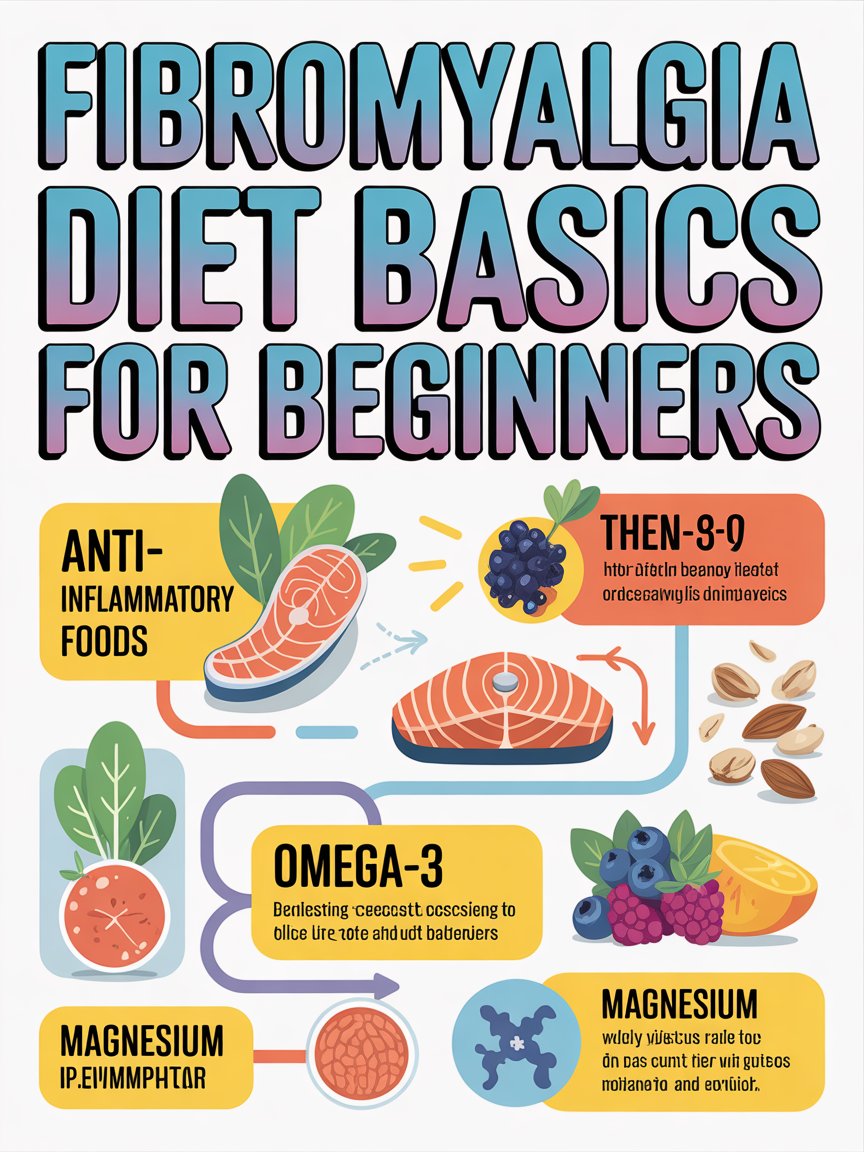
Fibromyalgia Diet Basics for Beginners
1. Understanding the Role of Diet in Fibromyalgia
Living with fibromyalgia can feel unpredictable, and while there is no cure, daily food choices can strongly influence symptoms. A balanced diet supports energy levels, reduces inflammation, and helps manage pain sensitivity. Many people notice certain foods make their symptoms better or worse over time.
2. How Nutrition Impacts Pain and Fatigue
The body relies on nutrients to regulate inflammation and nerve signaling. Poor nutrition may worsen fatigue, muscle soreness, and mental fog. Eating whole, nutrient-dense foods can help stabilize blood sugar and reduce symptom flare-ups.
3. Focus on Anti-Inflammatory Foods
Why Reducing Inflammation Matters
Chronic inflammation can intensify pain signals. Foods rich in antioxidants and healthy fats help calm inflammatory responses. This may reduce daily aches and improve overall comfort.
4. Best Anti-Inflammatory Choices
What to Add to Your Plate
Include colorful vegetables, berries, leafy greens, olive oil, nuts, seeds, and fatty fish like salmon. These foods provide vitamins, minerals, and omega-3 fatty acids that support joint and muscle health.
5. The Importance of Protein for Muscle Support
Building and Repairing Tissues
Protein helps repair muscles and maintain strength, which is especially helpful when pain limits activity. Choose lean proteins such as chicken, fish, eggs, lentils, beans, and tofu to support recovery and reduce weakness.
6. Choose Complex Carbohydrates for Steady Energy
Avoiding Energy Crashes
Complex carbs release energy slowly and help prevent sudden fatigue. Whole grains, brown rice, oats, sweet potatoes, and fruits provide fiber and keep blood sugar more stable than refined carbs.
7. Staying Hydrated to Reduce Symptoms
Water and Fatigue Connection
Dehydration can worsen headaches, muscle cramps, and fatigue. Aim to drink water throughout the day. Herbal teas and water-rich fruits can also help meet hydration needs.
8. Common Food Triggers to Watch Out For
Identifying Personal Sensitivities
Some people with fibromyalgia report worse symptoms after consuming processed foods, excess sugar, caffeine, or artificial sweeteners. Keeping a food and symptom journal can help you identify personal triggers.
9. Reducing Processed and Sugary Foods
Why Less Sugar Can Mean Less Pain
Highly processed foods can promote inflammation and energy crashes. Cutting back on sugary snacks, fast food, and packaged meals may improve mood, energy, and pain control over time.
10. The Role of Vitamins and Minerals
Nutrients That Support Nerve and Muscle Health
Magnesium, vitamin D, B vitamins, and iron are commonly linked to energy and muscle function. If you suspect deficiencies, talk to a healthcare professional before starting supplements.
11. Exploring Food Sensitivities and Elimination Diets
A Careful, Step-by-Step Approach
Some beginners try short-term elimination of foods like gluten or dairy to see if symptoms improve. Do this gradually and reintroduce foods one at a time to avoid unnecessary restrictions.
12. Gentle Eating for Digestive Comfort
Supporting Gut Health
Digestive issues often occur alongside fibromyalgia. Eating smaller, balanced meals and including fiber-rich foods can help reduce bloating and discomfort, which may indirectly improve energy levels.
13. Meal Planning for Low-Energy Days
Simple Strategies That Help
Prepare easy meals in advance, keep healthy snacks on hand, and choose simple recipes. Batch cooking on better days can make tough days more manageable without relying on processed foods.
14. Mindful Eating and Listening to Your Body
Building Awareness of Food Effects
Pay attention to how your body feels after meals. Eating slowly and noticing symptom changes can help you create a diet that works for your unique needs and lifestyle.
15. Creating a Sustainable Fibromyalgia-Friendly Diet
Progress Over Perfection
There is no single “perfect” fibromyalgia diet. Small, consistent changes—adding more whole foods, drinking enough water, and reducing triggers—can lead to meaningful improvements over time. Focus on habits you can maintain long-term rather than strict rules.
Leave a Reply