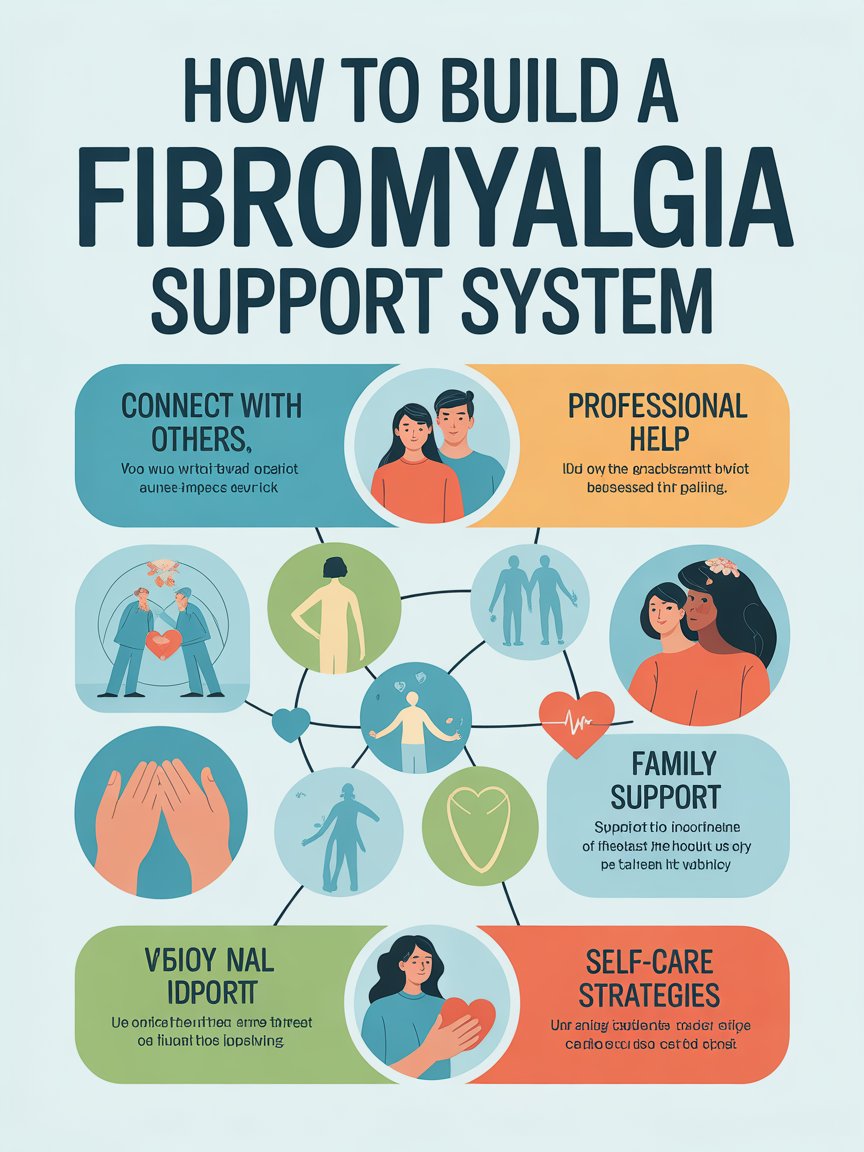
How to Build a Fibromyalgia Support System
1. Understanding the Importance of Support
Living with Fibromyalgia can be physically and emotionally challenging. Because the condition often involves chronic pain, fatigue, and unpredictable flare-ups, having a strong support system can make a significant difference. Support from others helps patients feel understood, less isolated, and better equipped to manage daily challenges.
2. Starting With Family Members
Family members are often the first and most important part of a support system. Educating them about fibromyalgia helps them understand what the patient is experiencing. When family members learn about symptoms and limitations, they can offer more patience, empathy, and practical help.
3. Communicating Your Needs Clearly
Open communication is essential when building a support network. Fibromyalgia patients should feel comfortable explaining their needs, limitations, and symptoms. Clear conversations help others understand how they can provide meaningful support.
4. Including Close Friends
Trusted friends can play an important role in emotional support. Friends who understand the condition can offer companionship, encouragement, and help during difficult days. Even simple activities like talking or spending time together can improve emotional well-being.
5. Connecting With Support Groups
Joining fibromyalgia support groups allows patients to connect with others who share similar experiences. These groups provide a safe space for discussing symptoms, coping strategies, and emotional challenges. Hearing from others with similar struggles can be very reassuring.
6. Seeking Professional Guidance
Healthcare professionals can also be part of a strong support system. Doctors, therapists, and counselors can help manage symptoms and provide advice on coping strategies. Professional guidance helps patients develop practical tools for living with fibromyalgia.
7. Educating Your Support Network
Many people may not fully understand fibromyalgia because it is an invisible illness. Taking time to educate loved ones about symptoms and daily challenges can improve their understanding. Awareness helps build empathy and stronger support.
8. Building Emotional Support
Emotional encouragement is just as important as physical help. Supportive people can provide reassurance during difficult moments. A kind word or understanding conversation can greatly improve a patient’s mental and emotional state.
9. Asking for Help When Needed
Some fibromyalgia patients hesitate to ask for help because they fear being a burden. However, asking for assistance during flare-ups can prevent overexertion and reduce stress. Accepting help is an important part of managing chronic illness.
10. Creating a Balanced Support Network
A strong support system often includes a mix of family, friends, healthcare providers, and support groups. Each type of support offers different benefits. Together, they create a network that addresses both physical and emotional needs.
11. Encouraging Positive Relationships
Healthy relationships are built on respect and understanding. Surrounding yourself with positive and supportive people can improve emotional resilience. Supportive relationships help reduce feelings of loneliness.
12. Using Online Communities
Online communities have become valuable resources for people with fibromyalgia. Social media groups and forums allow patients to share experiences and advice. These communities can provide support even when in-person connections are limited.
13. Setting Healthy Boundaries
While support is important, it is also essential to set boundaries. Fibromyalgia patients may need to protect their energy and avoid overwhelming situations. Clear boundaries help maintain both physical health and emotional balance.
14. Supporting Yourself
Self-support is an important part of any support system. Practicing self-care, maintaining healthy habits, and being patient with yourself can improve resilience. Self-compassion helps individuals cope with the challenges of fibromyalgia.
15. Growing a Long-Term Support System
Building a support system takes time and effort. Over time, patients can develop a network of understanding people who provide encouragement and practical help. With the right support, individuals living with fibromyalgia can feel more confident, connected, and capable of managing their condition.
Leave a Reply