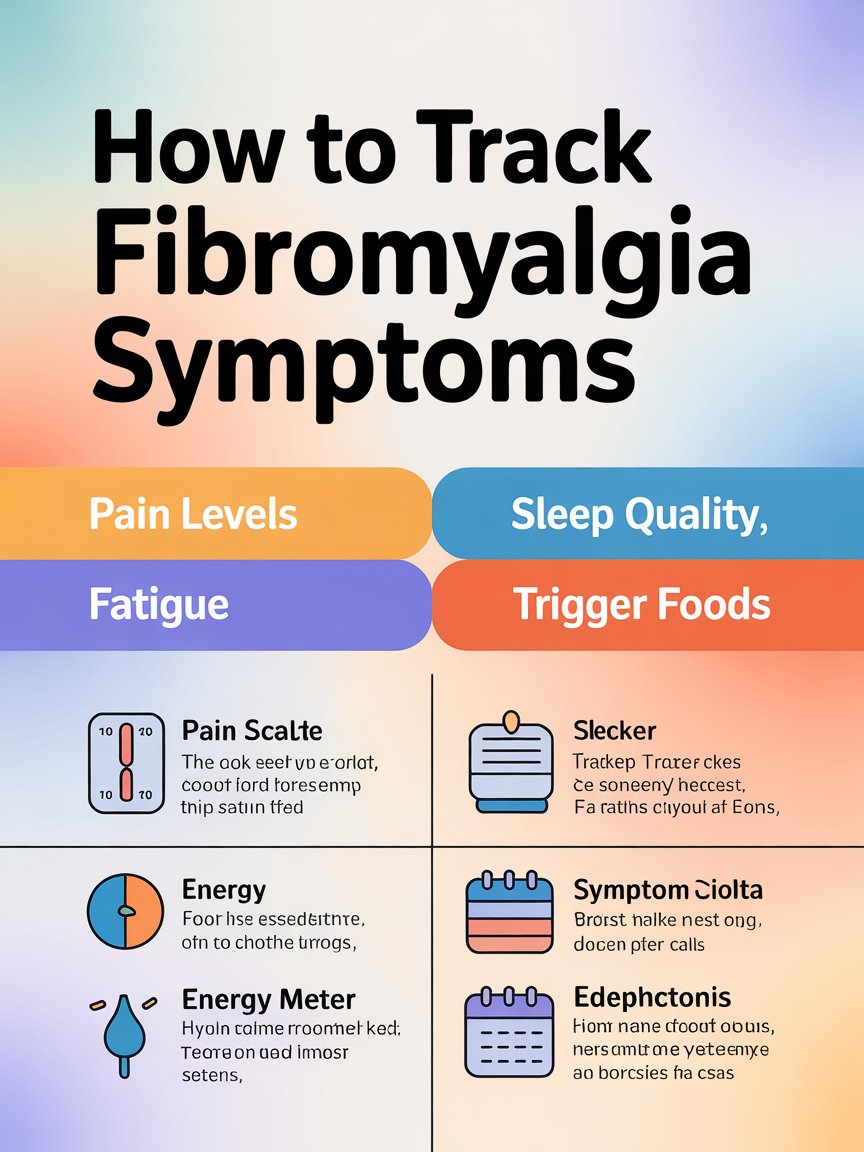
How to Track Fibromyalgia Symptoms
1. Why Symptom Tracking Matters
Fibromyalgia is known for fluctuating symptoms that can change daily or even hourly. Tracking these symptoms helps you better understand patterns and triggers. It also provides useful information to share with healthcare providers.
2. Understanding Symptom Variability
Fibromyalgia symptoms rarely stay the same. Pain intensity, fatigue, sleep quality, and mood can shift unexpectedly. Keeping a record allows you to see the bigger picture rather than focusing on one difficult day.
3. Choosing a Tracking Method
You can track symptoms using a notebook, printed chart, or mobile app. The best method is the one you will use consistently. Simplicity increases long-term success.
4. Recording Daily Pain Levels
Use a simple pain scale from 0 to 10 to rate discomfort each day. Note where the pain is located and whether it feels sharp, dull, or burning. Over time, patterns may become clear.
5. Monitoring Fatigue
Fatigue is one of the most challenging symptoms of fibromyalgia. Rate your energy levels daily and record how long you were active. This helps identify when you may need more rest or pacing.
6. Tracking Sleep Quality
Record how many hours you sleep and how rested you feel in the morning. Note nighttime awakenings or difficulty falling asleep. Sleep patterns often influence next-day pain and fatigue.
7. Identifying Flare-Ups
When symptoms suddenly worsen, mark it as a flare-up in your journal. Include possible triggers such as stress, weather changes, or overexertion. Recognizing flare patterns can guide prevention strategies.
8. Noting Emotional Well-Being
Mood changes often accompany chronic pain. Track feelings such as stress, anxiety, or sadness. Emotional patterns may correlate with physical symptoms.
9. Recording Physical Activity
Write down the type and duration of exercise or movement each day. Gentle activity may improve symptoms, while overdoing it could trigger a flare. Tracking helps find the right balance.
10. Monitoring Diet and Hydration
Certain foods or dehydration may influence symptom intensity. Briefly record meals, snacks, and water intake. This can reveal dietary triggers or helpful habits.
11. Observing Environmental Factors
Weather, temperature, and barometric pressure sometimes affect fibromyalgia symptoms. Note any significant environmental changes. Comparing this data over time may highlight trends.
12. Tracking Medications and Treatments
Record medications, supplements, or therapies you use. Include dosage changes and how you feel afterward. This information supports informed discussions with your doctor.
13. Using Weekly Summaries
At the end of each week, review your entries. Summarize key observations, such as improved sleep or increased stress. Weekly reflections make long-term patterns easier to see.
14. Sharing Data With Healthcare Providers
Bring your symptom journal to medical appointments. Clear records help doctors understand your experience more accurately. This can lead to more personalized treatment adjustments.
15. Staying Consistent and Patient
Symptom tracking works best when done regularly but without pressure. Even brief daily notes can provide valuable insight. Over time, tracking empowers you to better manage fibromyalgia and make informed decisions about your health.
Leave a Reply