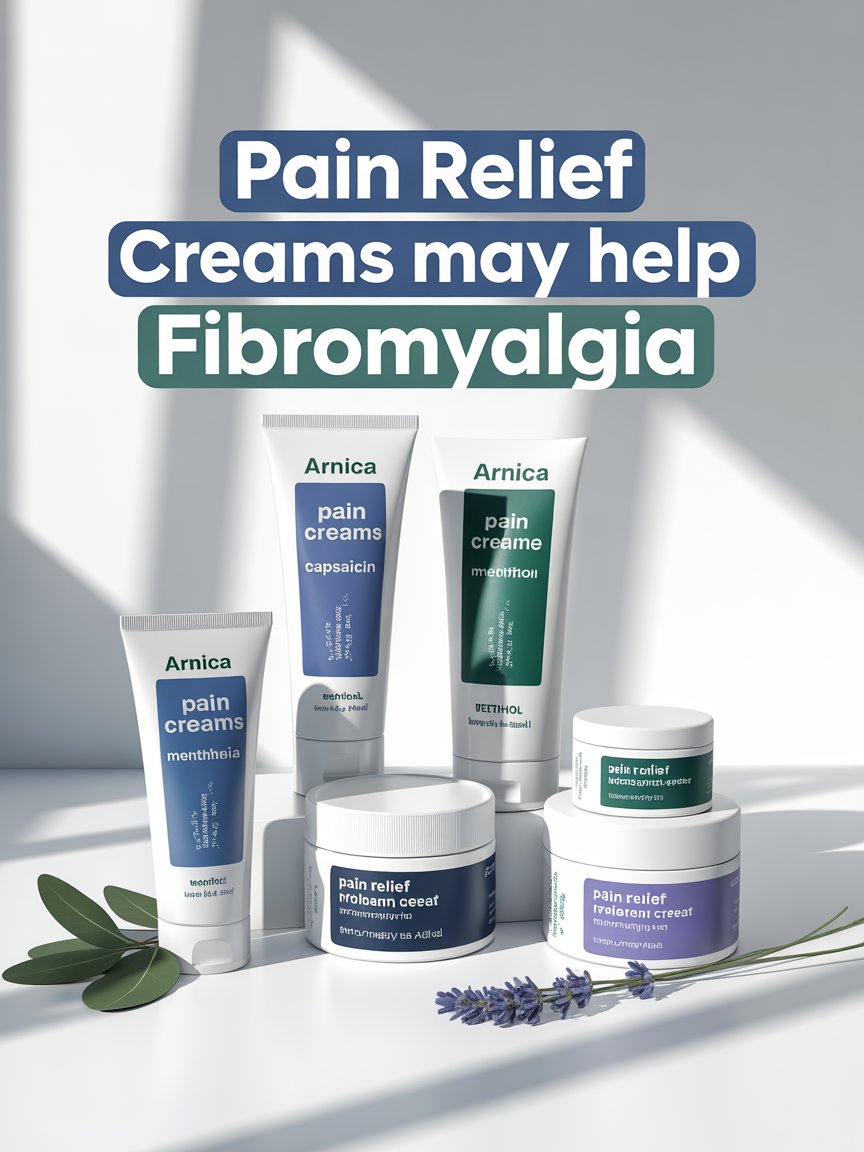
1.1 What Are Pain Relief Creams?
Pain relief creams are topical treatments applied directly to the skin to help reduce muscle and joint discomfort. People living with Fibromyalgia often use these creams on tender points such as the neck, shoulders, back, and legs to ease localized pain and stiffness.
1.2 How Topical Creams Work
Most topical pain creams work by either blocking pain signals, reducing inflammation, or creating warming or cooling sensations that distract the nerves from pain. Common ingredients include menthol, capsaicin, lidocaine, and anti-inflammatory medications.
1.3 Why Many People Prefer Creams
Unlike oral medications, topical creams act mainly at the site of application. This means they may cause fewer whole-body side effects while still providing temporary relief for sore muscles and tender points.
2. Common Types of Pain Relief Creams
2.1 Menthol-Based Cooling Creams
Menthol creams create a cooling sensation that helps distract pain receptors in the skin. This cooling effect can temporarily reduce the feeling of muscle soreness and stiffness, making them useful during fibromyalgia flare-ups.
2.2 Capsaicin Creams
Capsaicin is derived from chili peppers and works by reducing the substance in the body that sends pain signals to the brain. Studies suggest that topical capsaicin can help reduce certain types of chronic pain when used consistently.
2.3 Lidocaine Creams
Lidocaine is a local anesthetic that temporarily numbs the skin and underlying nerves. Creams containing lidocaine can block pain signals for several hours and may provide quick relief when applied to specific painful areas.
3. Anti-Inflammatory Pain Creams
3.1 Diclofenac Gel
Diclofenac is a topical nonsteroidal anti-inflammatory drug (NSAID) used to reduce pain and inflammation in muscles and joints. Research reviews show that topical NSAIDs like diclofenac can provide noticeable pain relief for some people with musculoskeletal conditions.
3.2 Ketoprofen Creams
Ketoprofen is another anti-inflammatory ingredient sometimes found in prescription topical creams. Like diclofenac, it works by reducing inflammation in the affected area, which may help decrease pain and stiffness.
3.3 Combination Pain Creams
Some creams combine multiple ingredients such as menthol, camphor, and herbal extracts to deliver both warming and cooling sensations. These combinations can help relax tight muscles and improve comfort in painful areas.
4. Popular Over-the-Counter Pain Cream Options
4.1 Bengay Pain Relief Cream
Bengay Pain Relieving Cream is a well-known topical analgesic designed to temporarily relieve muscle and joint pain. It has been used for many years and is commonly applied to sore muscles, sprains, and back pain.
4.2 Menthol Cooling Gels
Cooling gels containing menthol and herbal ingredients are often used by people with chronic muscle pain. These gels provide fast cooling relief and are easy to apply to larger muscle areas.
4.3 Herbal Muscle Relief Creams
Some natural creams include ingredients such as arnica, eucalyptus, lavender, or chamomile. These ingredients may help relax muscles and promote a soothing sensation that reduces discomfort.
5. Tips for Using Pain Relief Creams Safely
5.1 Apply to Targeted Areas
Pain creams usually work best when applied directly to the painful muscle or tender point. Gently massaging the cream into the skin can improve absorption and may enhance relief.
5.2 Follow Usage Instructions
Most topical pain creams should only be used a few times per day. Overuse may irritate the skin or cause unwanted side effects, so always follow the directions on the label.
5.3 Combine Creams With Other Strategies
Topical creams often work best when combined with other fibromyalgia management strategies such as gentle stretching, warm baths, stress reduction, and proper sleep habits.
Leave a Reply