Blog

  • 5 Reasons Fibromyalgia Is More Common in Women

    5 Reasons Fibromyalgia Is More Common in Women

    1. Understanding Fibromyalgia and Gender Differences

    Fibromyalgia is a chronic condition that causes widespread pain, fatigue, and sensitivity. Research shows that women are diagnosed with fibromyalgia far more often than men, and certain biological and social factors may explain why.

    2. Reason 1: Hormonal Differences

    Hormones like estrogen and progesterone influence pain perception and the nervous system. Fluctuations in these hormones—especially during menstrual cycles, pregnancy, or menopause—may make women more sensitive to pain, increasing the risk of fibromyalgia.

    3. Reason 2: Immune System Differences

    Women generally have stronger immune responses than men. While this can protect against infections, it may also increase susceptibility to inflammation-related conditions, which can contribute to fibromyalgia symptoms.

    4. Reason 3: Stress Response Variations

    Women and men respond differently to stress. Chronic stress can worsen pain perception and fatigue, and studies suggest that women may experience stronger physical and emotional effects from stress, contributing to fibromyalgia development.

    5. Reason 4: Differences in Pain Processing

    Research shows that women often process pain signals differently in the brain and spinal cord. This heightened pain sensitivity may make women more prone to conditions like fibromyalgia.

    6. Reason 5: Societal and Lifestyle Factors

    Women often carry multiple responsibilities, including work, family care, and household tasks, which can increase stress and fatigue. Long-term physical and emotional strain may contribute to the higher prevalence of fibromyalgia in women.

    7. Recognizing the Pattern

    Understanding why fibromyalgia is more common in women can help with early recognition and treatment. Awareness of risk factors and triggers may support better symptom management.

    8. Importance of Early Diagnosis

    Women experiencing persistent widespread pain, fatigue, or cognitive issues should consult a healthcare professional. Early diagnosis allows for targeted care and lifestyle adjustments to reduce symptom severity.

    9. Hormone Management and Fibromyalgia

    For some women, addressing hormonal changes through medical guidance or lifestyle strategies can help manage pain, improve sleep, and reduce fatigue.

    10. Stress Reduction Strategies

    Incorporating stress management techniques such as mindfulness, yoga, or deep breathing can support women in reducing fibromyalgia symptoms linked to chronic stress.

    11. Supporting Physical Health

    Regular gentle exercise, adequate rest, and balanced nutrition can help women maintain energy levels and manage fibromyalgia symptoms more effectively.

    12. Mental Health Support

    Emotional well-being is closely tied to fibromyalgia management. Counseling, support groups, or talking with loved ones can reduce anxiety and improve coping strategies.

    13. Lifestyle Adjustments

    Pacing daily activities, using ergonomic tools, and prioritizing self-care can make a significant difference in managing fibromyalgia for women.

    14. Personalized Treatment Approaches

    Because fibromyalgia affects each person differently, women may benefit from personalized care plans that consider hormonal, physical, and emotional factors.

    15. Conclusion

    Fibromyalgia’s higher prevalence in women is influenced by a combination of biological, hormonal, and social factors. Understanding these reasons can empower women to seek early intervention and adopt strategies to manage symptoms effectively, improving overall quality of life.
  • 8 Menopause Symptoms That Worsen Fibromyalgia

    8 Menopause Symptoms That Worsen Fibromyalgia

    1. Understanding Menopause and Fibromyalgia

    Menopause is a natural stage in a woman’s life that usually occurs between ages 45 and 55. During this time, hormone levels change significantly. For women living with Fibromyalgia, these hormonal changes can sometimes intensify existing symptoms such as pain, fatigue, and sleep problems.

    2. Why Menopause Can Affect Fibromyalgia

    The drop in hormones like estrogen can influence the nervous system, sleep patterns, and mood. Because fibromyalgia already affects pain processing in the body, menopause-related changes may make symptoms more noticeable.

    3. Symptom 1: Increased Muscle and Joint Pain

    Many women experience more muscle aches and joint stiffness during menopause. For fibromyalgia patients, this may lead to stronger or more frequent pain episodes.

    4. Symptom 2: Severe Fatigue

    Fatigue is common during both menopause and fibromyalgia. When these conditions occur together, women may feel even more exhausted and struggle with daily activities.

    5. Symptom 3: Sleep Disturbances

    Menopause often causes difficulty falling asleep or staying asleep. Poor sleep can worsen fibromyalgia symptoms and increase daytime fatigue.

    6. Symptom 4: Hot Flashes and Night Sweats

    Hot flashes and night sweats are common menopause symptoms. These sudden temperature changes can interrupt sleep and leave the body feeling drained.

    7. Symptom 5: Mood Changes

    Hormonal fluctuations can affect emotional health. Women may experience mood swings, irritability, or anxiety, which can increase stress and worsen fibromyalgia symptoms.

    8. Symptom 6: Brain Fog and Memory Problems

    Cognitive difficulties, sometimes called “fibro fog,” may become more noticeable during menopause. Problems with memory, concentration, or mental clarity can increase frustration and stress.

    9. Symptom 7: Increased Sensitivity to Pain

    Hormonal changes during menopause can make the nervous system more sensitive. This may cause fibromyalgia pain to feel stronger or more widespread.

    10. Symptom 8: Weight Changes

    Some women gain weight during menopause due to hormonal shifts and slower metabolism. Weight changes can increase pressure on muscles and joints, which may worsen pain symptoms.

    11. Hormonal Changes and Pain Processing

    Estrogen plays a role in how the body processes pain signals. When estrogen levels decrease during menopause, the brain may respond differently to pain stimuli.

    12. Managing Symptoms During Menopause

    Healthy lifestyle habits such as gentle exercise, balanced nutrition, and stress management can help reduce the severity of both menopause and fibromyalgia symptoms.

    13. Importance of Medical Guidance

    Women experiencing severe symptoms should speak with a healthcare professional. A doctor can help evaluate hormonal changes and recommend treatments that support overall health.

    14. Supporting Emotional and Physical Health

    Practicing relaxation techniques, maintaining good sleep habits, and staying socially connected can help women cope with the emotional and physical effects of menopause.

    15. Living Well Through Menopause

    Although menopause can temporarily worsen fibromyalgia symptoms, many women find relief by focusing on self-care and healthy routines. With the right support and management strategies, it is possible to maintain comfort and quality of life during this stage of life.

  • 12 Pregnancy Tips for Women with Fibromyalgia

    12 Pregnancy Tips for Women with Fibromyalgia

    12 Pregnancy Tips for Women with Fibromyalgia

    1. Understanding Pregnancy with Fibromyalgia

    Pregnancy can bring both excitement and challenges for women living with Fibromyalgia. Hormonal changes, fatigue, and physical stress may affect symptoms differently for each person. With proper care and planning, many women with fibromyalgia can experience a healthy pregnancy.

    2. Tip 1: Work Closely With Your Doctor

    Regular checkups are essential during pregnancy. Your healthcare provider can monitor both your pregnancy and fibromyalgia symptoms to ensure the safest care for you and your baby.

    3. Tip 2: Review Your Medications

    Some medications used to treat fibromyalgia may not be safe during pregnancy. Discuss all medications and supplements with your doctor to determine which ones should be continued, adjusted, or stopped.

    4. Tip 3: Prioritize Rest

    Fatigue is common in both pregnancy and fibromyalgia. Taking short rest breaks throughout the day can help conserve energy and prevent symptom flare-ups.

    5. Tip 4: Maintain Gentle Physical Activity

    Light exercise such as walking, stretching, or prenatal yoga can improve circulation and reduce muscle stiffness. Gentle movement also supports overall physical health during pregnancy.

    6. Tip 5: Focus on Good Sleep Habits

    Sleep problems can worsen fibromyalgia symptoms. Creating a comfortable sleep routine, using supportive pillows, and maintaining a regular bedtime can improve sleep quality.

    7. Tip 6: Manage Stress Levels

    Stress can trigger fibromyalgia flare-ups. Relaxation techniques such as deep breathing, meditation, or listening to calming music can help maintain emotional balance.

    8. Tip 7: Eat a Nutritious Diet

    A balanced diet with fruits, vegetables, whole grains, and lean proteins supports both maternal and fetal health. Proper nutrition also helps maintain energy levels.

    9. Tip 8: Stay Hydrated

    Drinking enough water is important during pregnancy. Proper hydration supports circulation, digestion, and overall body function.

    10. Tip 9: Use Supportive Comfort Measures

    Supportive pillows, maternity belts, or warm compresses may help reduce muscle tension and improve comfort as the body changes during pregnancy.

    11. Tip 10: Pace Your Daily Activities

    Avoid overexertion by breaking tasks into smaller steps. Balancing activity and rest can help manage fatigue and reduce fibromyalgia symptoms.

    12. Tip 11: Seek Emotional Support

    Pregnancy while managing a chronic condition can feel overwhelming at times. Talking with supportive family members, friends, or support groups can provide comfort and encouragement.

    13. Tip 12: Prepare for Postpartum Recovery

    Planning for extra support after childbirth can help make the recovery period easier. Rest, proper nutrition, and assistance with daily tasks can support healing and symptom management.

    14. Listening to Your Body

    Every pregnancy experience is unique. Paying attention to your body’s signals and adjusting activities when necessary can help prevent unnecessary strain.

    15. Staying Positive and Informed

    With proper medical guidance, healthy habits, and strong support, many women with fibromyalgia can manage pregnancy successfully. Staying informed and practicing self-care can help create a healthier and more comfortable journey for both mother and baby.

  • 7 Hormonal Changes That Affect Fibromyalgia

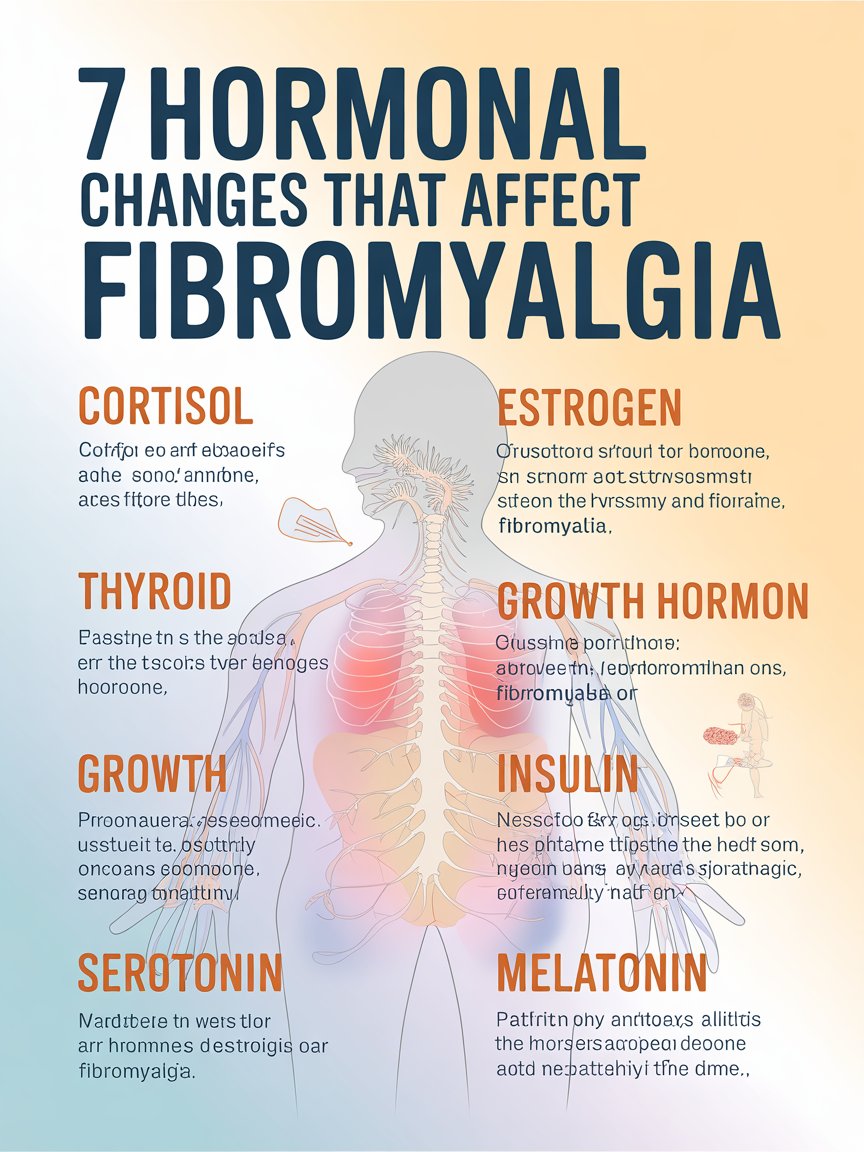
    7 Hormonal Changes That Affect Fibromyalgia

    1. Understanding Hormones and Fibromyalgia

    Fibromyalgia is a condition that causes widespread pain, fatigue, and sensitivity throughout the body. Hormones play an important role in how the nervous system and muscles respond to stress and pain. Changes in hormone levels can influence the severity of fibromyalgia symptoms.

    2. Why Hormonal Balance Matters

    Hormones regulate many body functions including sleep, mood, energy levels, and inflammation. When hormone levels fluctuate, they can trigger increased pain, fatigue, and emotional changes in people with fibromyalgia.

    3. Change 1: Estrogen Fluctuations

    Estrogen levels can vary throughout a woman’s life and during the monthly cycle. Low estrogen levels may increase pain sensitivity and fatigue, which can worsen fibromyalgia symptoms.

    4. Change 2: Menopause

    Menopause is a major hormonal transition that many women experience in midlife. The drop in estrogen and progesterone during this stage can lead to increased pain, sleep problems, and mood changes in fibromyalgia patients.

    5. Change 3: Thyroid Hormone Imbalance

    Thyroid hormones control metabolism and energy production. When thyroid levels are too low or too high, symptoms such as fatigue, muscle pain, and weakness may worsen in people with fibromyalgia.

    6. Change 4: Cortisol and Stress Hormones

    Cortisol is the body’s main stress hormone. Chronic stress can disrupt normal cortisol patterns, leading to increased inflammation, fatigue, and heightened pain sensitivity.

    7. Change 5: Serotonin Levels

    Serotonin helps regulate mood, sleep, and pain perception. Lower serotonin levels may contribute to depression, sleep disturbances, and increased pain sensitivity in fibromyalgia.

    8. Change 6: Progesterone Fluctuations

    Progesterone works alongside estrogen to maintain hormonal balance. Fluctuations in progesterone may affect mood, sleep quality, and pain tolerance.

    9. Change 7: Melatonin and Sleep Hormones

    Melatonin controls the body’s sleep-wake cycle. Changes in melatonin production can disrupt sleep patterns, which may worsen fatigue and pain in fibromyalgia patients.

    10. Hormones and Pain Sensitivity

    Hormonal changes can influence how the brain processes pain signals. When hormone levels are unbalanced, the nervous system may become more sensitive to pain stimuli.

    11. Hormonal Changes During Life Stages

    Hormone fluctuations occur during puberty, pregnancy, and menopause. These life stages may bring temporary changes in fibromyalgia symptoms.

    12. Managing Hormonal Influences

    Maintaining a healthy lifestyle can help regulate hormone levels. Balanced nutrition, regular physical activity, and stress management can support hormonal stability.

    13. Importance of Medical Guidance

    If hormonal changes significantly worsen symptoms, consulting a healthcare professional can help identify underlying imbalances and provide appropriate treatment options.

    14. Supporting Hormonal Health

    Good sleep habits, relaxation techniques, and maintaining a healthy weight can help keep hormones balanced and reduce symptom severity.

    15. Living Better With Fibromyalgia

    Understanding how hormones affect fibromyalgia can help individuals manage their symptoms more effectively. With the right strategies and medical support, many people can maintain a comfortable and active lifestyle despite hormonal changes.

  • 10 Signs of Fibromyalgia in Women Over 40

    10 Signs of Fibromyalgia in Women Over 40

    10 Signs of Fibromyalgia in Women Over 40

    1. Understanding Fibromyalgia in Women

    Fibromyalgia is a long-term condition that causes widespread pain, fatigue, and sensitivity throughout the body. It is more common in women, especially those over the age of 40. Hormonal changes, stress, and lifestyle factors may contribute to the development or worsening of symptoms.

    2. Why Symptoms May Appear After 40

    Many women begin noticing fibromyalgia symptoms in midlife. Changes in hormones, increased responsibilities, and long-term physical stress can make the body more sensitive to pain and fatigue.

    3. Sign 1: Widespread Muscle Pain

    Persistent pain in multiple areas of the body is one of the most common signs of fibromyalgia. Women may feel aching, burning, or throbbing pain in the muscles, joints, or soft tissues.

    4. Sign 2: Extreme Fatigue

    Feeling constantly tired, even after a full night’s sleep, is another major symptom. This fatigue can interfere with daily activities and make it difficult to maintain normal routines.

    5. Sign 3: Sleep Problems

    Many women with fibromyalgia struggle with falling asleep or staying asleep. Poor-quality sleep can make pain and fatigue worse during the day.

    6. Sign 4: Brain Fog

    Memory problems and difficulty concentrating—often called “fibro fog”—are common. Women may find it harder to focus, remember details, or complete tasks that require mental effort.

    7. Sign 5: Frequent Headaches

    Recurring headaches or migraines may appear more often in women with fibromyalgia. Tension in the neck and shoulders can contribute to this symptom.

    8. Sign 6: Increased Sensitivity to Pain

    People with fibromyalgia often experience heightened sensitivity to pain. Even mild pressure or touch may feel uncomfortable or painful.

    9. Sign 7: Mood Changes

    Living with chronic pain can affect emotional well-being. Anxiety, irritability, or feelings of sadness may develop alongside physical symptoms.

    10. Sign 8: Stiffness in the Morning

    Many women report waking up with stiff muscles and joints, particularly in the neck, shoulders, and back. This stiffness may improve as the body begins moving during the day.

    11. Sign 9: Digestive Issues

    Digestive discomfort, bloating, or irregular bowel movements may occur in people with fibromyalgia. Stress and nervous system sensitivity may contribute to these symptoms.

    12. Sign 10: Sensitivity to Temperature, Light, or Noise

    Women with fibromyalgia may become more sensitive to environmental factors such as bright lights, loud sounds, or extreme temperatures.

    13. When to Seek Medical Advice

    If these symptoms persist for several months and interfere with daily life, it may be helpful to consult a healthcare professional. Proper evaluation can help rule out other conditions and guide treatment.

    14. Managing Symptoms Effectively

    Lifestyle changes such as gentle exercise, stress management, balanced nutrition, and adequate sleep can help manage fibromyalgia symptoms and improve quality of life.

    15. Living Well With Fibromyalgia

    Although fibromyalgia is a chronic condition, many women can manage symptoms successfully with proper care and support. Early recognition of warning signs allows individuals to seek help and adopt healthy strategies for long-term well-being.

  • 10 Mindfulness Tips for Chronic Pain

    10 Mindfulness Tips for Chronic Pain

    10 Mindfulness Tips for Chronic Pain

    1. Understanding Mindfulness and Chronic Pain

    Mindfulness is the practice of focusing on the present moment with awareness and acceptance. For people living with chronic pain conditions such as Fibromyalgia, mindfulness can help reduce stress, improve emotional balance, and make pain easier to manage.

    2. Why Mindfulness Helps With Pain

    Mindfulness encourages a calm and non-judgmental awareness of thoughts, emotions, and physical sensations. This approach helps people respond to pain more calmly instead of reacting with tension or anxiety.

    3. Tip 1: Focus on Your Breathing

    One of the simplest mindfulness practices is paying attention to your breath. Slowly inhaling and exhaling while noticing each breath can calm the mind and reduce the body’s stress response.

    4. Tip 2: Observe Your Body Without Judgment

    Instead of resisting pain, try observing how your body feels without labeling sensations as “good” or “bad.” This awareness can reduce emotional stress connected to pain.

    5. Tip 3: Practice Body Scan Meditation

    A body scan meditation involves slowly bringing attention to different parts of the body from head to toe. This technique helps identify areas of tension and encourages relaxation.

    6. Tip 4: Start With Short Sessions

    Mindfulness doesn’t need to take a long time. Starting with just five minutes a day can help build the habit and make it easier to stay consistent.

    7. Tip 5: Use Gentle Movement

    Mindful movement such as slow stretching or yoga allows you to stay aware of your body while moving gently. This can help improve flexibility and reduce stiffness.

    8. Tip 6: Notice Your Thoughts

    Pain often triggers negative thoughts. Mindfulness teaches you to notice these thoughts without becoming overwhelmed by them, helping you maintain emotional balance.

    9. Tip 7: Practice Gratitude

    Focusing on small positive moments each day can shift attention away from constant discomfort. Gratitude practices can improve mood and reduce stress.

    10. Tip 8: Use Guided Mindfulness

    Listening to guided mindfulness recordings can help beginners learn how to stay focused and relaxed during meditation or breathing exercises.

    11. Tip 9: Be Patient With Yourself

    Learning mindfulness takes time. Some days it may feel easier than others, but practicing regularly helps build resilience against stress and pain.

    12. Tip 10: Make Mindfulness Part of Daily Life

    Mindfulness can be practiced during simple activities like eating, walking, or drinking tea. Paying full attention to everyday moments can strengthen awareness and calmness.

    13. Creating a Mindfulness Routine

    Setting a regular time for mindfulness practice can help build consistency. Morning or evening sessions are often helpful for relaxation and mental clarity.

    14. Combining Mindfulness With Other Strategies

    Mindfulness works best when combined with other healthy habits such as gentle exercise, good sleep, and balanced nutrition. Together, these strategies support better pain management.

    15. Living More Comfortably With Chronic Pain

    Mindfulness does not remove pain completely, but it can change how people experience it. By practicing mindfulness regularly, individuals with chronic pain can improve emotional well-being, reduce stress, and enhance their overall quality of life.

  • 7 Self-Care Ideas for Painful Days

    7 Self-Care Ideas for Painful Days

    1. Understanding the Importance of Self-Care

    Living with chronic pain conditions such as Fibromyalgia can make some days especially challenging. During painful days, practicing self-care becomes essential. Simple self-care strategies can help reduce discomfort, restore energy, and support both physical and emotional well-being.

    2. Idea 1: Rest Without Feeling Guilty

    When pain levels are high, giving your body permission to rest is important. Taking short naps or lying down for a while allows the body to recover and can prevent symptoms from getting worse.

    3. Idea 2: Use Gentle Heat Therapy

    Applying heat through a warm bath, heating pad, or warm compress can relax tight muscles and improve blood circulation. Heat therapy is often helpful for easing stiffness and reducing pain.

    4. Idea 3: Practice Gentle Stretching

    Light stretching can help loosen stiff muscles and improve flexibility. Even a few slow stretches for the neck, shoulders, and back can reduce tension and provide relief.

    5. Idea 4: Focus on Deep Breathing

    Deep breathing exercises calm the nervous system and reduce stress. Slow breathing can help the body relax and may lower the intensity of pain during flare-ups.

    6. Idea 5: Nourish Your Body With Healthy Food

    Eating balanced meals and staying hydrated supports the body’s healing process. Nutritious foods can help maintain energy levels and improve overall health.

    7. Idea 6: Do a Relaxing Activity

    Engaging in calming activities such as reading, listening to music, or watching a favorite show can distract the mind from pain and promote relaxation.

    8. Idea 7: Reach Out for Support

    Talking with friends, family members, or support groups can provide emotional comfort. Sharing your experience with others who understand can make painful days feel less overwhelming.

    9. Creating a Personal Self-Care Routine

    Every person experiences pain differently, so it helps to create a self-care routine that suits your needs. Combining rest, gentle movement, and relaxation techniques can make difficult days easier to manage.

    10. Listening to Your Body

    Pay attention to how your body feels during painful days. If certain activities worsen symptoms, adjust your routine and choose gentler options that promote comfort.

    11. Avoiding Overexertion

    Trying to push through severe pain can sometimes lead to worse symptoms later. Balancing activity and rest is an important part of managing chronic pain.

    12. Preparing for Flare-Ups

    Keeping self-care tools ready—such as heating pads, comfortable pillows, or relaxation music—can help you respond quickly when pain increases.

    13. Supporting Emotional Health

    Painful days can also affect mood. Practicing self-compassion and acknowledging your limits can help maintain a positive mindset.

    14. Small Steps Make a Difference

    Even small self-care actions can have a big impact on how you feel. Gentle habits practiced regularly can improve comfort and resilience.

    15. Making Self-Care a Priority

    Self-care is not a luxury but a necessity when managing fibromyalgia and chronic pain. By caring for both body and mind, individuals can improve their quality of life and handle painful days more effectively.

  • 14 Signs Stress Is Making Your Fibromyalgia Worse

    14 Signs Stress Is Making Your Fibromyalgia Worse

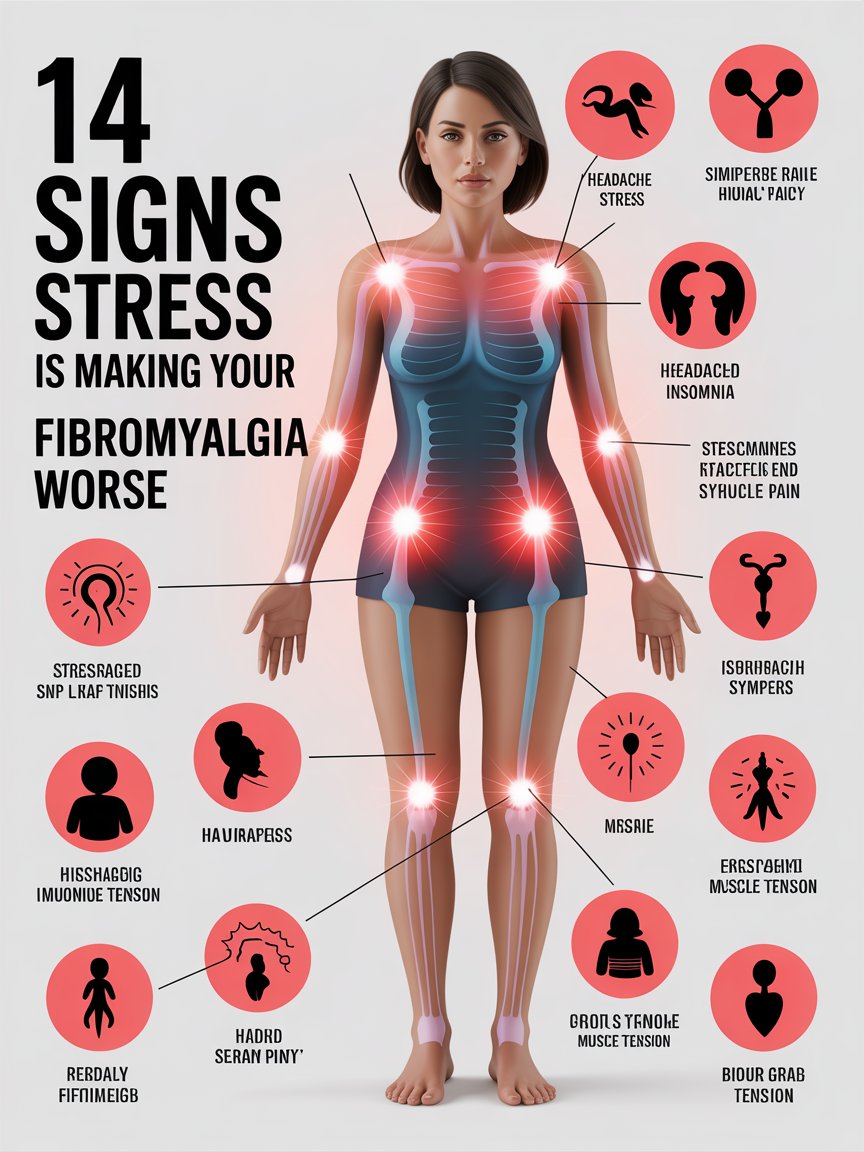
    14 Signs Stress Is Making Your Fibromyalgia Worse

    1. Understanding Stress and Fibromyalgia

    Stress can have a powerful impact on people living with Fibromyalgia. When the body experiences stress, it releases hormones that can increase inflammation, muscle tension, and sensitivity to pain. Recognizing the signs that stress is worsening fibromyalgia can help patients manage symptoms more effectively.

    2. Sign 1: Increased Pain Levels

    One of the most common signs of stress is a sudden increase in widespread pain. Stress can heighten the body’s sensitivity to pain, making everyday discomfort feel more intense.

    3. Sign 2: Frequent Fibromyalgia Flare-Ups

    If flare-ups happen more often during stressful periods, it may be a sign that stress is triggering symptom worsening. Emotional strain can activate the body’s stress response and intensify fibromyalgia symptoms.

    4. Sign 3: Severe Fatigue

    Stress drains both mental and physical energy. People with fibromyalgia may feel even more exhausted than usual when they are dealing with ongoing stress.

    5. Sign 4: Trouble Sleeping

    Stress often leads to difficulty falling asleep or staying asleep. Poor sleep can further worsen fibromyalgia symptoms and create a cycle of pain and fatigue.

    6. Sign 5: Increased Muscle Tension

    Stress causes muscles to tighten, especially in the neck, shoulders, and back. This added tension can increase pain and stiffness for people with fibromyalgia.

    7. Sign 6: Headaches or Migraines

    Stress-related headaches or migraines may occur more frequently when fibromyalgia symptoms are aggravated. Tension in the head and neck muscles can contribute to this problem.

    8. Sign 7: Brain Fog and Poor Concentration

    Stress can worsen cognitive difficulties commonly known as “fibro fog.” People may notice problems with memory, focus, or mental clarity.

    9. Sign 8: Mood Changes

    Irritability, anxiety, or feelings of sadness may increase during stressful times. Emotional stress often worsens the physical symptoms of fibromyalgia.

    10. Sign 9: Digestive Issues

    Stress can affect the digestive system, causing symptoms such as stomach discomfort, bloating, or changes in appetite.

    11. Sign 10: Sensitivity to Light or Noise

    People with fibromyalgia may become more sensitive to sensory stimulation during stressful periods, making bright lights or loud sounds feel overwhelming.

    12. Sign 11: Reduced Motivation

    When stress increases, individuals may feel less motivated to complete daily activities or self-care routines, which can worsen fibromyalgia symptoms.

    13. Sign 12: Increased Anxiety About Health

    Stress may lead to excessive worry about symptoms or future health, which can further intensify both anxiety and physical discomfort.

    14. Sign 13: Difficulty Relaxing

    Even during rest periods, people may find it difficult to relax when stress levels are high. This constant tension can keep the body in a heightened pain state.

    15. Sign 14: Feeling Overwhelmed by Daily Tasks

    When stress builds up, everyday responsibilities may start to feel overwhelming. This mental burden can worsen fatigue and increase the risk of fibromyalgia flare-ups.

  • 5 Breathing Exercises for Fibromyalgia

    5 Breathing Exercises for Fibromyalgia

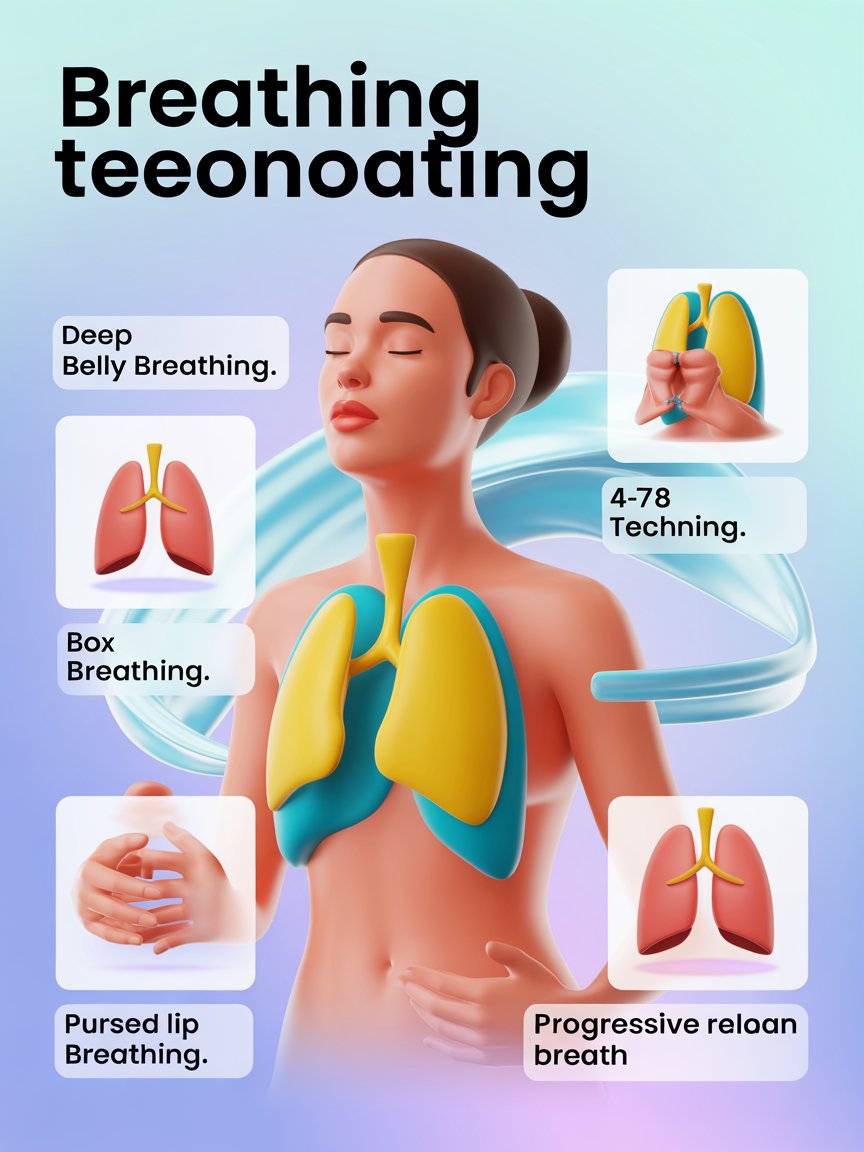
    5 Breathing Exercises for Fibromyalgia

    1. Understanding the Role of Breathing in Pain Relief

    People living with Fibromyalgia often experience muscle tension, fatigue, and stress. Breathing exercises can help calm the nervous system, relax muscles, and reduce the intensity of pain. Practicing controlled breathing regularly can improve relaxation and overall well-being.

    2. Why Breathing Exercises Help Fibromyalgia

    Deep and mindful breathing increases oxygen flow to the body and brain. It also lowers stress hormones and promotes a sense of calm. For fibromyalgia patients, this can lead to reduced muscle tightness, better sleep, and improved pain control.

    3. Exercise 1: Deep Belly Breathing

    Deep belly breathing focuses on using the diaphragm rather than shallow chest breathing. Sit or lie comfortably, place one hand on your stomach, inhale slowly through your nose, and allow your belly to rise. Then exhale slowly through your mouth. This exercise helps relax the body and reduce tension.

    4. Exercise 2: 4-7-8 Breathing Technique

    The 4-7-8 method is a calming breathing pattern. Inhale quietly through your nose for 4 seconds, hold your breath for 7 seconds, and exhale slowly for 8 seconds. This exercise helps calm the mind, reduce anxiety, and promote better sleep.

    5. Exercise 3: Box Breathing

    Box breathing involves equal timing for each step of breathing. Inhale for 4 seconds, hold for 4 seconds, exhale for 4 seconds, and pause for 4 seconds before the next breath. This technique helps stabilize breathing patterns and reduce stress.

    6. Exercise 4: Alternate Nostril Breathing

    Alternate nostril breathing is commonly used in relaxation practices. Close one nostril with your finger, inhale through the other nostril, then switch sides to exhale. This pattern helps balance the body’s energy and promotes calmness.

    7. Exercise 5: Slow Rhythmic Breathing

    Slow rhythmic breathing involves taking long, steady breaths at a comfortable pace. Inhale slowly through the nose and exhale gently through the mouth. Keeping a steady rhythm can relax the muscles and ease pain symptoms.

    8. Creating a Comfortable Environment

    Breathing exercises are most effective in a quiet and comfortable space. Sitting or lying down with proper support allows the body to fully relax during the practice.

    9. Practicing Regularly for Best Results

    Consistency is important when using breathing exercises for pain relief. Practicing for a few minutes each day can gradually improve relaxation and help manage fibromyalgia symptoms.

    10. Combining Breathing With Other Relaxation Techniques

    Breathing exercises can work even better when combined with mindfulness, gentle stretching, or meditation. These practices together can strengthen the body’s relaxation response.

    11. Listening to Your Body

    Each person responds differently to breathing techniques. If a particular exercise feels uncomfortable, it’s best to adjust the pace or try a different method that feels more natural.

    12. Using Breathing During Pain Flare-Ups

    During fibromyalgia flare-ups, breathing exercises can help calm the body and reduce stress levels. Even a few minutes of slow breathing can ease tension and provide relief.

    13. Improving Sleep With Breathing Exercises

    Many fibromyalgia patients struggle with sleep problems. Practicing breathing exercises before bedtime can help relax the body and prepare the mind for restful sleep.

    14. Supporting Emotional Well-Being

    Breathing exercises not only help with physical pain but also support emotional balance. They can reduce anxiety, improve mood, and help people feel more in control of their symptoms.

    15. Making Breathing Exercises a Daily Habit

    Incorporating breathing exercises into daily routines can provide long-term benefits. With regular practice, individuals with fibromyalgia may experience improved relaxation, reduced pain, and a better quality of life.

  • 9 Relaxation Techniques That Ease Pain

    9 Relaxation Techniques That Ease Pain

    1. Understanding the Connection Between Relaxation and Pain

    Chronic pain conditions like Fibromyalgia often become worse when the body is tense or stressed. Relaxation techniques help calm the nervous system, reduce muscle tension, and improve the body’s natural ability to manage discomfort.

    2. Why Relaxation Matters for Pain Management

    When the body relaxes, stress hormones decrease and blood flow improves. This process can reduce pain sensitivity and promote a feeling of calm, making relaxation techniques an important part of pain management.

    3. Technique 1: Deep Breathing

    Deep breathing is one of the simplest ways to relax the body. Slowly inhaling through the nose and exhaling through the mouth helps lower heart rate, reduce stress, and ease muscle tension that contributes to pain.

    4. Technique 2: Progressive Muscle Relaxation

    Progressive muscle relaxation involves tightening and then releasing different muscle groups in the body. This technique helps people recognize areas of tension and encourages full-body relaxation.

    5. Technique 3: Mindfulness Meditation

    Mindfulness meditation focuses on being present in the moment without judgment. Practicing mindfulness regularly can help reduce stress, improve emotional balance, and lower the perception of pain.

    6. Technique 4: Gentle Stretching

    Gentle stretching relaxes tight muscles and improves flexibility. Slow stretching exercises can increase circulation and relieve stiffness, which is particularly helpful for people dealing with chronic pain.

    7. Technique 5: Guided Imagery

    Guided imagery involves imagining peaceful scenes such as beaches, forests, or mountains. Visualizing calming environments can shift attention away from pain and promote relaxation.

    8. Technique 6: Listening to Calming Music

    Soft music can influence mood and reduce stress levels. Listening to relaxing music may help slow breathing, reduce anxiety, and create a soothing environment that eases discomfort.

    9. Technique 7: Warm Baths or Heat Therapy

    Warm baths or heating pads can help relax muscles and improve blood circulation. Heat therapy often provides temporary relief from stiffness and pain, especially before bedtime.

    10. Technique 8: Yoga and Gentle Movement

    Yoga combines breathing, stretching, and relaxation. Practicing gentle yoga poses can reduce tension, increase flexibility, and support both physical and mental relaxation.

    11. Technique 9: Aromatherapy

    Aromatherapy uses essential oils such as lavender or chamomile to create a calming atmosphere. Pleasant scents may help reduce stress and encourage relaxation, which can indirectly ease pain.

    12. Creating a Relaxation Routine

    Practicing relaxation techniques regularly can make them more effective. Setting aside time each day for relaxation allows the body to recover from stress and reduces the likelihood of pain flare-ups.

    13. Combining Techniques for Better Results

    Using more than one relaxation technique—such as deep breathing with gentle stretching—can enhance pain relief. Different methods work for different individuals, so experimenting may help find the most effective approach.

    14. Listening to Your Body

    Everyone experiences pain differently. Paying attention to how the body responds to relaxation techniques can help determine which methods provide the most relief and comfort.

    15. Making Relaxation Part of Daily Life

    Incorporating relaxation practices into everyday routines can significantly improve quality of life. By managing stress and tension, people living with fibromyalgia or chronic pain can experience greater comfort and emotional balance.