Blog

  • Daily Habits That Reduce Fibromyalgia Pain

    Daily Habits That Reduce Fibromyalgia Pain

    1. Understanding the Importance of Daily Habits

    Living with fibromyalgia can be challenging because symptoms such as widespread pain, fatigue, and stiffness may affect everyday life. While there is no single cure, building healthy daily habits can help manage symptoms more effectively. Small, consistent lifestyle changes can reduce pain levels and improve overall well-being. Developing a routine that supports the body and mind is a key part of fibromyalgia management.

    2. Start the Day with Gentle Movement

    Beginning the day with gentle movement can help loosen stiff muscles and joints. Light stretching or slow range-of-motion exercises encourage blood circulation and reduce morning discomfort. These movements do not need to be intense; even a few minutes can make a difference. Consistency is more important than intensity when managing fibromyalgia symptoms.

    3. Maintain a Regular Sleep Schedule

    Quality sleep is essential for people living with fibromyalgia. Going to bed and waking up at the same time every day helps regulate the body’s internal clock. A consistent sleep routine can improve energy levels and reduce pain sensitivity. Creating a relaxing bedtime environment may also improve sleep quality.

    4. Practice Stress Management Daily

    Stress is one of the most common triggers for fibromyalgia flare-ups. Practicing stress-reducing techniques each day can help calm the nervous system. Activities such as meditation, deep breathing, or mindfulness exercises may reduce tension in the body. Lower stress levels often lead to fewer pain flare-ups.

    5. Stay Physically Active with Low-Impact Exercise

    Regular physical activity can help decrease pain and improve flexibility. Low-impact exercises such as walking, swimming, or gentle yoga are often recommended. These activities strengthen muscles without putting too much strain on the body. Gradually increasing activity levels helps prevent overexertion.

    6. Eat a Balanced and Nutritious Diet

    A healthy diet supports overall health and may help reduce inflammation and fatigue. Eating whole foods such as fruits, vegetables, lean proteins, and whole grains provides essential nutrients. Some people with fibromyalgia notice improvements when they avoid processed foods or excess sugar. Maintaining balanced meals throughout the day helps keep energy levels stable.

    7. Stay Hydrated Throughout the Day

    Drinking enough water is an often overlooked habit that supports muscle and joint health. Dehydration can worsen fatigue and headaches. Aim to drink water regularly throughout the day rather than waiting until you feel thirsty. Herbal teas and water-rich foods can also contribute to hydration.

    8. Pace Your Activities

    Overdoing activities can trigger fibromyalgia flare-ups. Learning to pace yourself helps conserve energy and prevent pain from worsening. Break large tasks into smaller steps and include rest breaks when needed. Balancing activity and rest is essential for long-term symptom management.

    9. Use Heat Therapy for Pain Relief

    Applying warmth to sore areas can relax muscles and reduce stiffness. Warm showers, heating pads, or warm baths are simple ways to ease discomfort. Heat therapy increases blood flow to painful muscles and promotes relaxation. Many people find it helpful as part of their daily routine.

    10. Maintain Good Posture

    Poor posture can increase muscle strain and worsen pain in the neck, shoulders, and back. Being mindful of posture while sitting, standing, or working at a desk can help prevent additional discomfort. Supportive chairs and ergonomic workspaces may reduce pressure on sensitive areas. Small posture improvements can make a big difference over time.

    11. Practice Gentle Stretching During the Day

    Stretching throughout the day helps prevent muscles from becoming tight or stiff. Short stretching breaks can relieve tension, especially for those who sit for long periods. Focus on slow and controlled movements rather than intense stretches. Regular stretching keeps the body flexible and comfortable.

    12. Prioritize Mental and Emotional Health

    Chronic pain can affect emotional well-being. Taking time for hobbies, relaxation, and supportive relationships is important. Activities such as reading, listening to music, or spending time in nature can improve mood. Emotional balance often helps reduce the perception of pain.

    13. Keep a Symptom and Activity Journal

    Tracking daily activities and symptoms can help identify patterns or triggers. A journal may reveal how certain foods, stress levels, or activities affect fibromyalgia symptoms. This information can help you make better lifestyle choices. It can also be helpful when discussing symptoms with a healthcare provider.

    14. Create a Consistent Self-Care Routine

    Self-care should be a daily priority when living with fibromyalgia. This may include relaxation, gentle exercise, healthy meals, and adequate rest. A consistent routine helps the body adapt and function more smoothly. Over time, these habits can reduce the frequency and intensity of pain flare-ups.

    15. Seek Professional Support When Needed

    While daily habits can significantly improve symptom management, professional medical guidance is still important. Doctors, physical therapists, and other healthcare professionals can help develop a personalized treatment plan. Combining medical care with healthy daily habits often leads to better outcomes. With the right approach, people with fibromyalgia can improve their quality of life and manage pain more effectively.


  • Pain Relief Creams That May Help Fibromyalgia

    Pain Relief Creams That May Help Fibromyalgia

    1.1 What Are Pain Relief Creams?

    Pain relief creams are topical treatments applied directly to the skin to help reduce muscle and joint discomfort. People living with Fibromyalgia often use these creams on tender points such as the neck, shoulders, back, and legs to ease localized pain and stiffness.

    1.2 How Topical Creams Work

    Most topical pain creams work by either blocking pain signals, reducing inflammation, or creating warming or cooling sensations that distract the nerves from pain. Common ingredients include menthol, capsaicin, lidocaine, and anti-inflammatory medications.

    1.3 Why Many People Prefer Creams

    Unlike oral medications, topical creams act mainly at the site of application. This means they may cause fewer whole-body side effects while still providing temporary relief for sore muscles and tender points.


    2. Common Types of Pain Relief Creams

    2.1 Menthol-Based Cooling Creams

    Menthol creams create a cooling sensation that helps distract pain receptors in the skin. This cooling effect can temporarily reduce the feeling of muscle soreness and stiffness, making them useful during fibromyalgia flare-ups.

    2.2 Capsaicin Creams

    Capsaicin is derived from chili peppers and works by reducing the substance in the body that sends pain signals to the brain. Studies suggest that topical capsaicin can help reduce certain types of chronic pain when used consistently.

    2.3 Lidocaine Creams

    Lidocaine is a local anesthetic that temporarily numbs the skin and underlying nerves. Creams containing lidocaine can block pain signals for several hours and may provide quick relief when applied to specific painful areas.


    3. Anti-Inflammatory Pain Creams

    3.1 Diclofenac Gel

    Diclofenac is a topical nonsteroidal anti-inflammatory drug (NSAID) used to reduce pain and inflammation in muscles and joints. Research reviews show that topical NSAIDs like diclofenac can provide noticeable pain relief for some people with musculoskeletal conditions.

    3.2 Ketoprofen Creams

    Ketoprofen is another anti-inflammatory ingredient sometimes found in prescription topical creams. Like diclofenac, it works by reducing inflammation in the affected area, which may help decrease pain and stiffness.

    3.3 Combination Pain Creams

    Some creams combine multiple ingredients such as menthol, camphor, and herbal extracts to deliver both warming and cooling sensations. These combinations can help relax tight muscles and improve comfort in painful areas.


    4. Popular Over-the-Counter Pain Cream Options

    4.1 Bengay Pain Relief Cream

    Bengay Pain Relieving Cream is a well-known topical analgesic designed to temporarily relieve muscle and joint pain. It has been used for many years and is commonly applied to sore muscles, sprains, and back pain.

    4.2 Menthol Cooling Gels

    Cooling gels containing menthol and herbal ingredients are often used by people with chronic muscle pain. These gels provide fast cooling relief and are easy to apply to larger muscle areas.

    4.3 Herbal Muscle Relief Creams

    Some natural creams include ingredients such as arnica, eucalyptus, lavender, or chamomile. These ingredients may help relax muscles and promote a soothing sensation that reduces discomfort.


    5. Tips for Using Pain Relief Creams Safely

    5.1 Apply to Targeted Areas

    Pain creams usually work best when applied directly to the painful muscle or tender point. Gently massaging the cream into the skin can improve absorption and may enhance relief.

    5.2 Follow Usage Instructions

    Most topical pain creams should only be used a few times per day. Overuse may irritate the skin or cause unwanted side effects, so always follow the directions on the label.

    5.3 Combine Creams With Other Strategies

    Topical creams often work best when combined with other fibromyalgia management strategies such as gentle stretching, warm baths, stress reduction, and proper sleep habits.

  • Things to Do During a Fibromyalgia Flare

    Things to Do During a Fibromyalgia Flare

    1. Understanding a Fibromyalgia Flare

    A flare is a period when symptoms suddenly become more intense. People living with Fibromyalgia may experience increased pain, fatigue, stiffness, and brain fog during these times. Flares can be triggered by stress, lack of sleep, illness, weather changes, or overexertion. Knowing how to respond to a flare can help reduce its severity and duration.

    2. Allow Yourself to Rest

    During a flare, your body needs extra rest. Taking short breaks throughout the day can help prevent symptoms from worsening. While complete inactivity is not ideal for long periods, giving your body time to recover is an important step in managing a flare.

    3. Use Heat Therapy

    Applying heat to sore areas can help relax tight muscles and ease pain. Warm baths, heating pads, or warm showers can provide soothing relief. Heat therapy also improves blood circulation, which may reduce stiffness during a flare.

    4. Stay Hydrated

    Drinking enough water is important for overall health and can support your body during a flare. Dehydration may worsen fatigue and muscle discomfort, so keeping hydrated throughout the day can help maintain energy levels.

    5. Practice Gentle Stretching

    Light stretching can reduce stiffness and help keep muscles flexible. Slow and gentle movements are best during a flare. Overexertion should be avoided, but mild stretching can prevent the body from becoming overly tense.

    6. Manage Stress Levels

    Stress is a common trigger for flares in people with Fibromyalgia. Relaxation techniques such as deep breathing, meditation, or listening to calming music can help reduce tension and support recovery during difficult days.

    7. Improve Sleep Quality

    Sleep problems often worsen fibromyalgia symptoms. During a flare, focus on creating a calm bedtime routine, keeping your bedroom quiet and comfortable, and avoiding stimulants before sleep. Better rest helps the body repair and manage pain.

    8. Use Prescribed Medications if Needed

    Doctors may recommend medications to control symptoms during flares. Some commonly prescribed medications include Duloxetine or Pregabalin. These medications may help reduce pain signals and improve daily functioning.

    9. Eat Light and Nutritious Meals

    Healthy meals can support the body during a flare. Foods rich in vitamins, minerals, and antioxidants may help reduce inflammation and support energy levels. Balanced meals can also help stabilize mood and prevent additional fatigue.

    10. Pace Your Daily Activities

    One of the most important strategies during a flare is pacing. Break tasks into smaller steps and avoid pushing yourself too hard. Doing too much too quickly can worsen symptoms and prolong recovery.

    11. Try Relaxation Techniques

    Relaxation exercises such as progressive muscle relaxation or guided imagery can calm the nervous system. These techniques help reduce tension and may lower the intensity of pain during a flare.

    12. Use Gentle Movement

    While rest is important, very light movement like slow walking can help keep joints flexible. Gentle activity also promotes circulation and may prevent muscles from becoming too stiff.

    13. Keep Track of Triggers

    Recording what happens before a flare can help identify triggers. Stressful events, certain foods, weather changes, or poor sleep may contribute to symptom flare-ups. Recognizing patterns helps people avoid or prepare for future flares.

    14. Reach Out for Support

    Living with fibromyalgia can be challenging during flare periods. Talking with family members, friends, or support groups can provide emotional comfort and practical help with daily tasks.

    15. Be Patient with Your Body

    Recovery from a flare takes time. Practicing self-compassion and avoiding frustration can make the process easier. With proper care and management, most flares gradually improve, allowing people with Fibromyalgia to return to their normal routines.

  • Proven Methods to Manage Chronic Pain

    Proven Methods to Manage Chronic Pain

    Proven Methods to Manage Chronic Pain

    1. Understanding Chronic Pain

    Chronic pain is pain that lasts for months or even years, often continuing after an injury or illness has healed. Conditions such as Fibromyalgia, arthritis, and nerve disorders can cause ongoing discomfort that affects daily life. Managing chronic pain requires patience, consistency, and a combination of treatments rather than relying on a single solution.

    2. The Importance of a Personalized Pain Management Plan

    Every person experiences chronic pain differently. Doctors usually recommend creating a personalized pain management plan based on the individual’s symptoms, lifestyle, and health history. A well-designed plan often combines medication, lifestyle changes, and supportive therapies to provide long-term relief.

    3. Medications for Pain Relief

    Doctors may prescribe medications to help manage chronic pain. These may include anti-inflammatory drugs, nerve pain medications, and certain antidepressants that help regulate pain signals. In some cases, medications such as Duloxetine or Pregabalin are recommended to help reduce pain and improve daily functioning.

    4. Physical Therapy for Strength and Mobility

    Physical therapy is a proven method to manage chronic pain. A trained therapist can guide patients through gentle exercises that improve flexibility, strengthen muscles, and reduce stiffness. Regular movement helps prevent the body from becoming weaker or more sensitive to pain.

    5. Gentle Exercise and Movement

    Low-impact exercises such as walking, swimming, and stretching can help reduce chronic pain over time. Exercise improves blood circulation, releases endorphins, and supports overall physical health. Starting slowly and increasing activity gradually is key to preventing flare-ups.

    6. Stress Management Techniques

    Stress often makes chronic pain worse by increasing muscle tension and sensitivity. Relaxation techniques such as deep breathing, meditation, and progressive muscle relaxation can calm the nervous system and reduce the intensity of pain episodes.

    7. Improving Sleep Quality

    Poor sleep can significantly worsen chronic pain symptoms. Creating a consistent sleep schedule, reducing screen time before bed, and making the bedroom comfortable and quiet can help improve sleep quality. Better sleep allows the body to recover and manage pain more effectively.

    8. Heat and Cold Therapy

    Applying heat or cold packs can provide temporary relief from chronic pain. Heat helps relax tight muscles and improve circulation, while cold therapy reduces inflammation and numbs painful areas. Many people alternate between both methods depending on their symptoms.

    9. Cognitive Behavioral Therapy (CBT)

    Psychological therapies can also help people cope with chronic pain. Cognitive Behavioral Therapy teaches patients how to change negative thought patterns related to pain. This approach can reduce stress, improve mood, and make pain easier to manage.

    10. Massage Therapy and Bodywork

    Massage therapy helps loosen tight muscles and improve blood flow, which may reduce pain and stiffness. Many individuals with conditions like Fibromyalgia report feeling more relaxed and comfortable after regular massage sessions.

    11. Healthy Diet and Nutrition

    Eating a balanced diet rich in fruits, vegetables, lean proteins, and whole grains supports overall health and reduces inflammation. Certain foods with anti-inflammatory properties may help reduce chronic pain symptoms when included regularly in meals.

    12. Mind-Body Practices

    Mind-body activities such as yoga and tai chi combine gentle movement with relaxation techniques. These practices help improve flexibility, balance, and mental well-being while also reducing pain levels for many people.

    13. Support from Healthcare Professionals

    Working with healthcare professionals ensures that chronic pain is properly monitored and treated. Doctors, therapists, and pain specialists can adjust treatments and recommend new strategies if symptoms change over time.

    14. Building a Strong Support System

    Living with chronic pain can be emotionally challenging. Support from family, friends, and patient communities can make a big difference. Talking with others who understand the experience can provide encouragement and practical advice.

    15. Staying Consistent with Treatment

    Managing chronic pain is a long-term process that requires consistency. Following treatment plans, maintaining healthy habits, and staying active can gradually reduce pain and improve quality of life. Over time, many people find that combining several proven methods helps them regain control over their daily activities.

  • Therapies That Reduce Fibromyalgia Pain

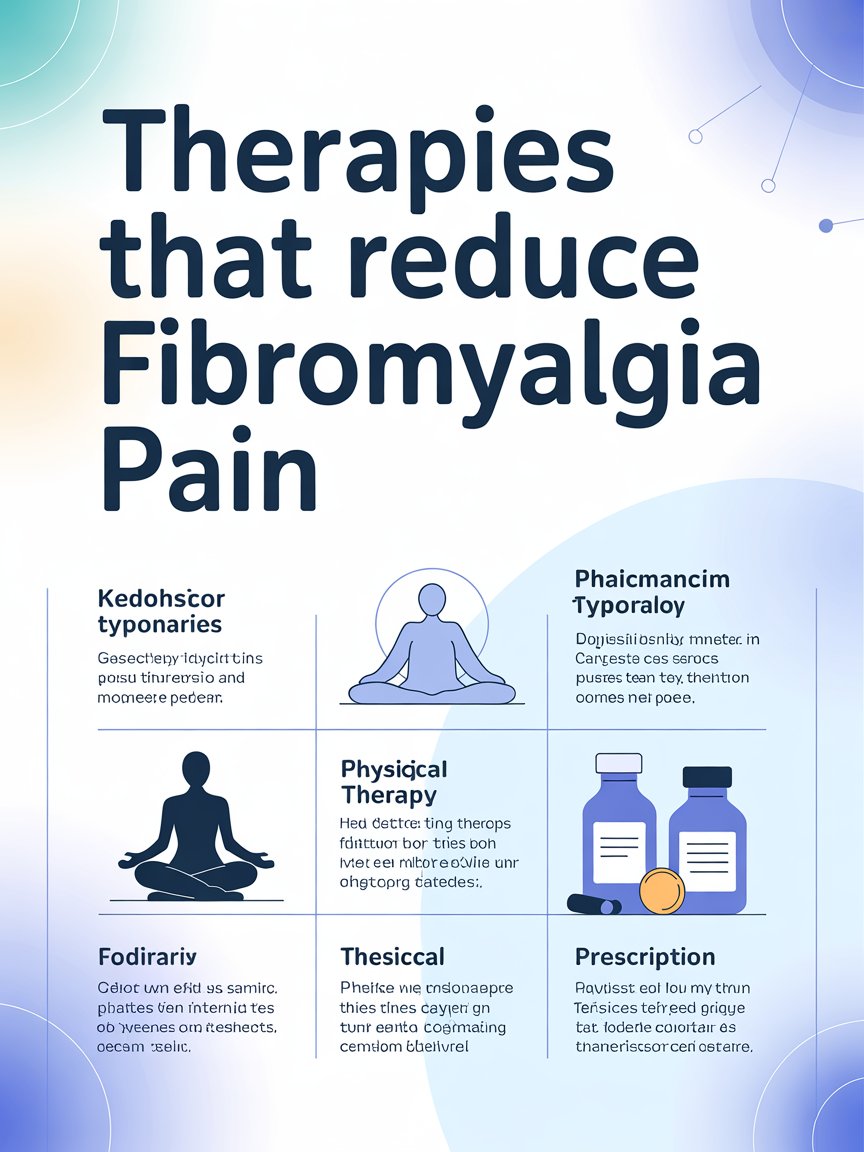
    Therapies That Reduce Fibromyalgia Pain

    1. Understanding Fibromyalgia Pain Therapies

    People living with Fibromyalgia often experience widespread pain, fatigue, and muscle stiffness. Because the condition affects the nervous system, treatment usually involves multiple therapies rather than a single solution. Many therapies focus on reducing pain signals, improving mobility, and supporting emotional well-being.

    2. Physical Therapy

    Physical therapy is commonly recommended for fibromyalgia patients. A trained therapist guides gentle exercises that improve flexibility, strengthen muscles, and reduce stiffness. Over time, this therapy can help improve mobility and reduce pain levels.

    3. Cognitive Behavioral Therapy (CBT)

    Cognitive Behavioral Therapy helps individuals manage chronic pain by changing negative thought patterns and improving coping strategies. It teaches patients how to respond to pain and stress in healthier ways, which may reduce symptom intensity.

    4. Massage Therapy

    Massage therapy helps relax tight muscles and improve circulation. Gentle massage techniques may relieve muscle tension and promote relaxation, which can help reduce discomfort during fibromyalgia flare-ups.

    5. Hydrotherapy (Water Therapy)

    Hydrotherapy involves exercises performed in warm water. The buoyancy of water reduces pressure on joints and muscles, allowing people to move more comfortably while strengthening their bodies.

    6. Acupuncture

    Acupuncture is a traditional therapy that involves inserting thin needles into specific points on the body. Some individuals with fibromyalgia report reduced pain and improved relaxation after acupuncture sessions.

    7. Occupational Therapy

    Occupational therapy helps patients learn ways to perform daily tasks with less physical strain. Therapists may suggest ergonomic adjustments, pacing techniques, and energy-saving strategies.

    8. Mindfulness and Meditation

    Mindfulness practices focus on being present and reducing mental stress. Meditation can calm the nervous system and help individuals cope better with chronic pain.

    9. Yoga Therapy

    Gentle yoga combines stretching, breathing, and relaxation techniques. Many people with fibromyalgia find that yoga helps improve flexibility, reduce muscle tension, and promote relaxation.

    10. Relaxation Therapy

    Relaxation therapy includes techniques such as deep breathing, guided imagery, and progressive muscle relaxation. These practices help reduce stress and may lower pain sensitivity.

    11. Biofeedback Therapy

    Biofeedback helps individuals learn how to control certain body functions, such as muscle tension and heart rate. By monitoring these responses, patients can practice relaxation techniques that reduce pain and stress.

    12. Chiropractic Care

    Some individuals seek chiropractic care to improve spinal alignment and reduce muscle tension. Gentle adjustments may help relieve certain types of musculoskeletal discomfort.

    13. Group Therapy and Support Programs

    Support groups and therapy sessions allow patients to share experiences and coping strategies. Emotional support can play an important role in managing chronic conditions.

    14. Integrative Therapy Approaches

    Many doctors recommend combining several therapies rather than relying on a single treatment. Integrative approaches may include exercise, counseling, relaxation techniques, and lifestyle adjustments.

    15. Choosing the Right Therapy Plan

    Managing Fibromyalgia often requires a personalized approach. Working with healthcare professionals to explore different therapies can help individuals discover the methods that best reduce pain and improve their quality of life.

  • Doctor-Recommended Treatments for Fibromyalgia

    Doctor-Recommended Treatments for Fibromyalgia

    1. Understanding Fibromyalgia Treatment

    Fibromyalgia is a long-term condition that affects how the brain processes pain signals. Although there is currently no cure, doctors often recommend a combination of treatments to help manage symptoms. These treatments aim to reduce pain, improve sleep, and increase overall quality of life.

    2. Prescription Medications

    Doctors may prescribe medications that help reduce pain and improve sleep. Certain medications work by affecting how the brain processes pain signals. These treatments are often used carefully and adjusted based on each patient’s response.

    3. Pain Management Strategies

    Pain management is an important part of fibromyalgia care. Doctors may recommend specific techniques to control chronic pain, including both medical treatments and lifestyle changes.

    4. Physical Therapy

    Physical therapy is commonly recommended to improve strength, flexibility, and mobility. A physical therapist may design gentle exercises that help reduce muscle stiffness and improve overall physical function.

    5. Cognitive Behavioral Therapy (CBT)

    Cognitive Behavioral Therapy helps patients develop coping strategies for chronic pain and stress. This therapy focuses on changing negative thought patterns and building healthier mental responses to pain.

    6. Sleep Improvement Treatments

    Sleep disturbances are common in fibromyalgia. Doctors may recommend treatments that improve sleep quality, such as sleep therapy, sleep hygiene strategies, or specific medications.

    7. Regular Exercise Programs

    Healthcare providers often encourage low-impact exercise. Activities such as walking, swimming, or stretching can help reduce stiffness and improve overall health when performed consistently.

    8. Stress Management Techniques

    Stress can worsen fibromyalgia symptoms. Doctors may recommend relaxation techniques such as meditation, breathing exercises, or mindfulness practices to reduce stress levels.

    9. Massage Therapy

    Therapeutic massage may help relax muscles and reduce tension. Some patients find that regular massage sessions reduce muscle pain and improve relaxation.

    10. Occupational Therapy

    Occupational therapy helps individuals adjust their daily activities to reduce physical strain. Therapists may suggest ergonomic changes or energy-saving techniques to make tasks easier.

    11. Lifestyle Adjustments

    Doctors often recommend changes in daily habits to help manage fibromyalgia. Balanced routines that include rest, activity, and healthy nutrition can support symptom management.

    12. Support Groups and Counseling

    Emotional support can be very helpful for people living with chronic pain. Doctors may suggest support groups or counseling sessions where patients can share experiences and coping strategies.

    13. Nutrition and Diet Guidance

    Some healthcare providers recommend dietary adjustments to support overall health. Eating balanced meals and staying hydrated can help maintain energy levels.

    14. Personalized Treatment Plans

    Because fibromyalgia affects each person differently, doctors usually create individualized treatment plans. Treatments may change over time depending on how symptoms respond.

    15. Long-Term Symptom Management

    Managing Fibromyalgia often requires a long-term approach that combines medical care, physical activity, stress management, and healthy lifestyle choices. With the right treatment plan, many people can successfully reduce symptoms and maintain an active life.

  • Home Remedies That Help Fibromyalgia

    Home Remedies That Help Fibromyalgia

    1. Understanding Home Remedies for Fibromyalgia

    Living with Fibromyalgia often involves managing ongoing pain, fatigue, and other symptoms. While medical treatment may be necessary, many people also find relief through simple home remedies. These natural approaches can help support the body and improve comfort in daily life.

    2. Warm Baths for Muscle Relaxation

    Taking warm baths can help relax tight muscles and reduce stiffness. Warm water improves blood circulation and soothes aching areas of the body. Many people find that a warm bath before bedtime also helps improve sleep.

    3. Heating Pads for Painful Areas

    Applying a heating pad to sore muscles can provide quick relief from discomfort. Heat therapy helps relax muscles and ease tension in the neck, shoulders, and back.

    4. Gentle Stretching Exercises

    Light stretching can help reduce muscle stiffness and improve flexibility. Simple stretches performed slowly can ease tension and prevent muscles from becoming too tight.

    5. Herbal Teas for Relaxation

    Drinking calming herbal teas such as chamomile or peppermint may help promote relaxation and improve sleep. Warm beverages can also help the body unwind after a stressful day.

    6. Maintaining Good Sleep Habits

    Creating a consistent sleep schedule can improve sleep quality. Going to bed and waking up at the same time each day helps regulate the body’s internal clock.

    7. Practicing Deep Breathing

    Deep breathing exercises can help reduce stress and calm the nervous system. Slow breathing encourages relaxation and may reduce pain sensitivity.

    8. Gentle Massage at Home

    Self-massage or light massage from a family member can help relieve muscle tension. Using massage oils or creams can make the process more soothing.

    9. Staying Hydrated

    Drinking enough water throughout the day supports muscle and nerve function. Proper hydration may also help reduce headaches and fatigue.

    10. Eating a Balanced Diet

    Nutritious foods such as fruits, vegetables, whole grains, and lean proteins support overall health. A balanced diet may help improve energy levels and support the body’s healing processes.

    11. Practicing Relaxation Techniques

    Activities such as meditation, mindfulness, or listening to calming music can help reduce stress. Lower stress levels may help reduce the severity of fibromyalgia symptoms.

    12. Using Comfortable Bedding

    Supportive pillows and comfortable mattresses can reduce pressure on muscles and joints. Proper bedding may improve sleep quality and reduce morning stiffness.

    13. Light Physical Activity

    Gentle activities such as walking or yoga can help maintain muscle strength and flexibility. Regular movement also supports circulation and overall well-being.

    14. Creating a Calm Environment

    Reducing noise, bright lights, and clutter can help the body relax. A peaceful environment may help reduce sensory overload and improve comfort.

    15. Building a Daily Self-Care Routine

    Managing Fibromyalgia at home often involves combining several healthy habits. Consistent self-care practices, including rest, gentle activity, stress management, and healthy nutrition, can help improve quality of life and reduce symptom severity over time.

  • Fast Pain Relief Tips for Fibromyalgia Flare-Ups

    Fast Pain Relief Tips for Fibromyalgia Flare-Ups

    1. Understanding Fibromyalgia Flare-Ups

    A flare-up is a period when symptoms of Fibromyalgia suddenly become more intense. Pain, fatigue, stiffness, and sensitivity can increase during these episodes. Knowing quick strategies to manage flare-ups can help reduce discomfort and restore some balance.

    2. Rest and Slow Down

    One of the first steps during a flare-up is allowing the body to rest. Overexertion can worsen symptoms, so slowing down and giving the body time to recover is important. Short rest periods throughout the day can help reduce pain and fatigue.

    3. Apply Heat Therapy

    Heat can relax tense muscles and improve blood flow. Using a heating pad, warm blanket, or taking a warm shower can help soothe painful areas and ease stiffness quickly.

    4. Gentle Stretching

    Slow, gentle stretching can help loosen tight muscles during a flare-up. Stretching the neck, shoulders, and back carefully may reduce tension and improve mobility without straining the body.

    5. Practice Deep Breathing

    Deep breathing exercises can calm the nervous system and reduce stress-related pain. Slow breathing helps relax muscles and may make pain feel more manageable.

    6. Stay Hydrated

    Dehydration can sometimes worsen fatigue and headaches. Drinking water throughout the day supports muscle function and may help ease some symptoms during a flare-up.

    7. Use Relaxation Techniques

    Techniques such as meditation, listening to calming music, or guided relaxation can help reduce the body’s stress response. Lower stress levels may decrease the intensity of pain signals.

    8. Gentle Movement

    While complete rest may be necessary at times, light movement can prevent stiffness. Short walks or gentle mobility exercises can help keep muscles flexible.

    9. Adjust Your Environment

    Reducing noise, bright lights, or other sensory triggers can help the body relax. A calm and quiet environment may reduce sensory overload and make symptoms easier to manage.

    10. Eat Light, Nutritious Meals

    Eating balanced meals that include fruits, vegetables, and protein can support energy levels. Avoiding heavy or highly processed foods may help prevent additional discomfort.

    11. Take Warm Baths

    A warm bath can help relax muscles and reduce tension. Adding soothing elements like Epsom salts may provide additional comfort for aching muscles.

    12. Use Comfortable Support

    Supportive pillows, cushions, or ergonomic chairs can reduce pressure on painful areas. Proper body support may help decrease muscle strain during a flare-up.

    13. Pace Your Activities

    Trying to do too much too quickly can worsen symptoms. Breaking tasks into smaller steps and taking regular breaks can help prevent additional strain on the body.

    14. Focus on Relaxing the Mind

    Mental stress can intensify physical pain. Activities such as reading, journaling, or listening to calming audio can help shift attention away from discomfort.

    15. Learn Your Personal Triggers

    Managing Fibromyalgia becomes easier when you identify what triggers flare-ups. Keeping track of sleep patterns, stress levels, weather changes, and activity levels can help you avoid future flare-ups and manage symptoms more effectively.

  • Natural Ways to Relieve Fibromyalgia Pain

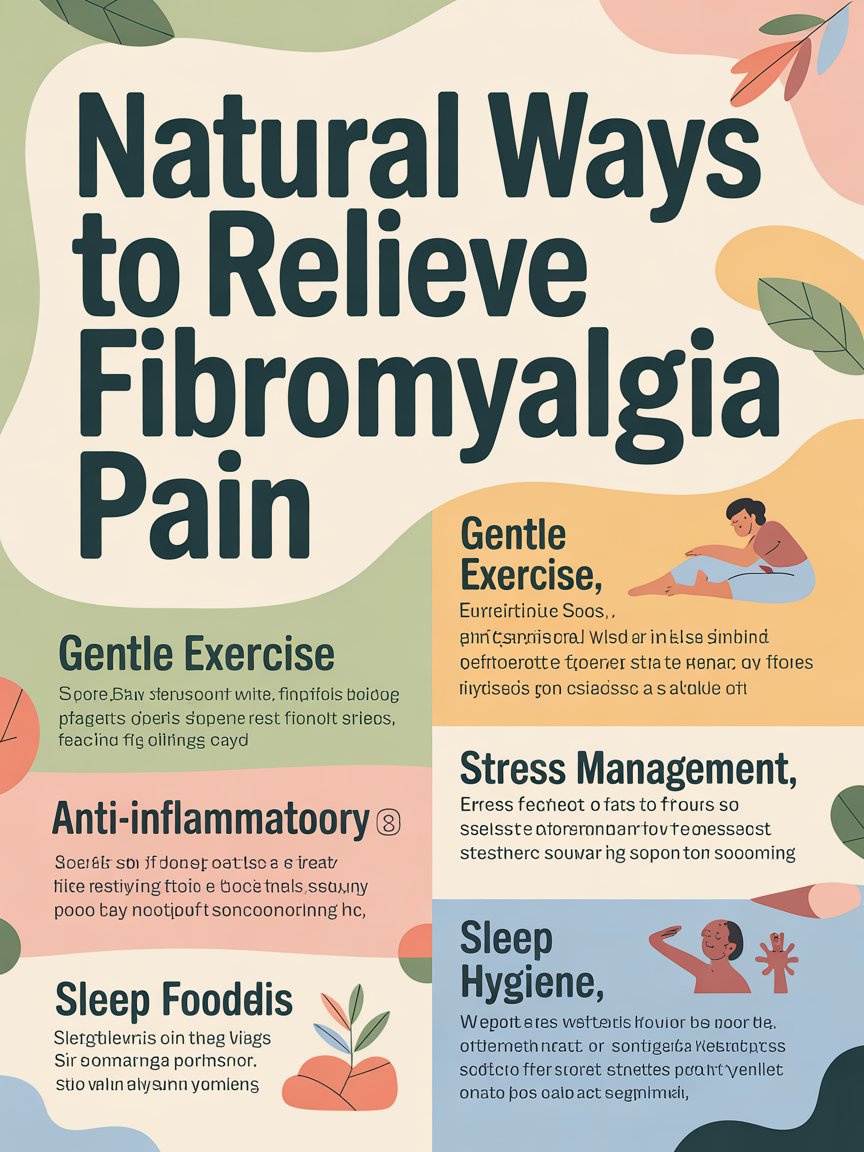
    Natural Ways to Relieve Fibromyalgia Pain

    1. Understanding Natural Pain Relief for Fibromyalgia

    Living with Fibromyalgia can be challenging due to persistent pain and fatigue. While medical treatments may help, many people also explore natural methods to manage symptoms. Simple lifestyle changes and holistic practices can support the body and reduce discomfort over time.

    2. Gentle Exercise and Movement

    Regular gentle exercise can help reduce stiffness and improve muscle flexibility. Activities like walking, stretching, or light yoga can strengthen muscles and support overall well-being without putting too much strain on the body.

    3. Practicing Relaxation Techniques

    Relaxation techniques such as deep breathing, meditation, and mindfulness can calm the nervous system. These practices may help reduce stress and ease pain sensitivity associated with fibromyalgia.

    4. Improving Sleep Habits

    Quality sleep plays a major role in managing fibromyalgia symptoms. Creating a consistent bedtime routine, limiting screen time before bed, and maintaining a comfortable sleep environment can improve rest and reduce fatigue.

    5. Using Heat Therapy

    Heat therapy can relax tight muscles and improve circulation. Warm baths, heating pads, or warm showers may help soothe aching muscles and reduce stiffness.

    6. Trying Gentle Stretching

    Stretching exercises help maintain flexibility and reduce muscle tension. Slow, controlled stretches can improve mobility and help relieve discomfort in the neck, shoulders, and back.

    7. Managing Stress Effectively

    Stress can trigger fibromyalgia flare-ups. Learning stress-management techniques such as journaling, breathing exercises, or spending time in nature can help reduce symptom intensity.

    8. Maintaining a Balanced Diet

    Eating a nutritious diet can support overall health and energy levels. Whole foods such as fruits, vegetables, lean proteins, and whole grains may help the body function better and reduce fatigue.

    9. Staying Hydrated

    Drinking enough water helps support muscle function and overall body balance. Proper hydration may help reduce headaches, fatigue, and muscle discomfort.

    10. Practicing Gentle Yoga

    Yoga combines movement, stretching, and breathing exercises. Many people with fibromyalgia find that gentle yoga improves flexibility and helps relax both the body and mind.

    11. Massage Therapy

    Massage therapy can help relieve muscle tension and improve blood circulation. Gentle massage techniques may reduce pain and help the body relax.

    12. Maintaining a Consistent Routine

    Creating a balanced daily routine with time for activity, rest, and relaxation can help manage fibromyalgia symptoms. Consistency allows the body to adapt and maintain stability.

    13. Spending Time Outdoors

    Fresh air and sunlight can improve mood and reduce stress levels. Light outdoor activities such as walking in nature may provide both physical and emotional benefits.

    14. Listening to Your Body

    People with fibromyalgia often benefit from pacing their activities. Taking breaks when needed and avoiding overexertion can help prevent flare-ups and maintain energy levels.

    15. Building a Holistic Lifestyle

    Managing Fibromyalgia naturally often involves combining several healthy habits. Gentle movement, stress management, good sleep, and balanced nutrition together can create a supportive lifestyle that helps reduce pain and improve overall quality of life.

  • Tests Doctors Use to Diagnose Fibromyalgia

    Tests Doctors Use to Diagnose Fibromyalgia

    1. Understanding Fibromyalgia Diagnosis

    Diagnosing Fibromyalgia can be challenging because there is no single laboratory test that confirms the condition. Instead, doctors use a combination of medical history, physical examinations, and diagnostic criteria to evaluate symptoms and rule out other health problems.

    2. Detailed Medical History

    The first step in diagnosis is usually a detailed discussion about the patient’s symptoms. Doctors ask about pain levels, fatigue, sleep problems, and how long the symptoms have been present. This information helps identify patterns commonly associated with fibromyalgia.

    3. Physical Examination

    During a physical exam, doctors evaluate areas of pain, stiffness, and tenderness. They also check joints, muscles, and posture to make sure the symptoms are not caused by injuries or other physical conditions.

    4. Tender Point Examination

    In the past, doctors often used a tender point test to diagnose fibromyalgia. This involved applying gentle pressure to specific areas of the body to see if they caused pain. Although this test is less commonly used today, it may still provide useful information.

    5. Widespread Pain Index (WPI)

    The Widespread Pain Index is a diagnostic tool that measures how many areas of the body are experiencing pain. Patients identify painful regions on the body, which helps doctors assess the extent of widespread discomfort.

    6. Symptom Severity Scale (SSS)

    Doctors may also use the Symptom Severity Scale to evaluate how intense certain symptoms are. This scale measures fatigue, sleep problems, and cognitive difficulties to determine how significantly symptoms affect daily life.

    7. Blood Tests to Rule Out Other Conditions

    Although blood tests cannot confirm fibromyalgia, they are often used to rule out other illnesses. Conditions such as anemia, thyroid disorders, or autoimmune diseases can cause symptoms similar to fibromyalgia.

    8. Thyroid Function Tests

    A thyroid function test checks whether the thyroid gland is working properly. Thyroid disorders can cause fatigue, muscle pain, and other symptoms that resemble fibromyalgia.

    9. Inflammation Tests

    Doctors may order blood tests that measure inflammation in the body. If inflammation markers are elevated, the symptoms might be caused by conditions such as arthritis rather than fibromyalgia.

    10. Sleep Evaluation

    Because sleep problems are common in fibromyalgia, doctors may ask detailed questions about sleep habits. In some cases, a sleep study may be recommended to check for sleep disorders.

    11. Neurological Evaluation

    A neurological exam may be performed to check reflexes, coordination, and nerve function. This helps rule out neurological disorders that might cause similar symptoms.

    12. Imaging Tests

    Sometimes imaging tests such as X-rays or MRIs are ordered. These tests do not diagnose fibromyalgia directly but help rule out structural problems like joint damage or spinal issues.

    13. Psychological Assessment

    Since chronic pain can affect emotional health, doctors may evaluate stress levels, anxiety, or mood changes. This helps ensure that both physical and emotional factors are considered in treatment.

    14. Symptom Duration Evaluation

    To meet most diagnostic criteria, symptoms must be present for at least three months. Doctors will assess how long pain and other symptoms have been occurring to confirm a chronic pattern.

    15. A Comprehensive Diagnosis Approach

    Diagnosing Fibromyalgia requires a comprehensive approach. By combining symptom evaluation, medical history, physical exams, and tests to rule out other conditions, doctors can make a more accurate diagnosis and help patients begin effective symptom management.