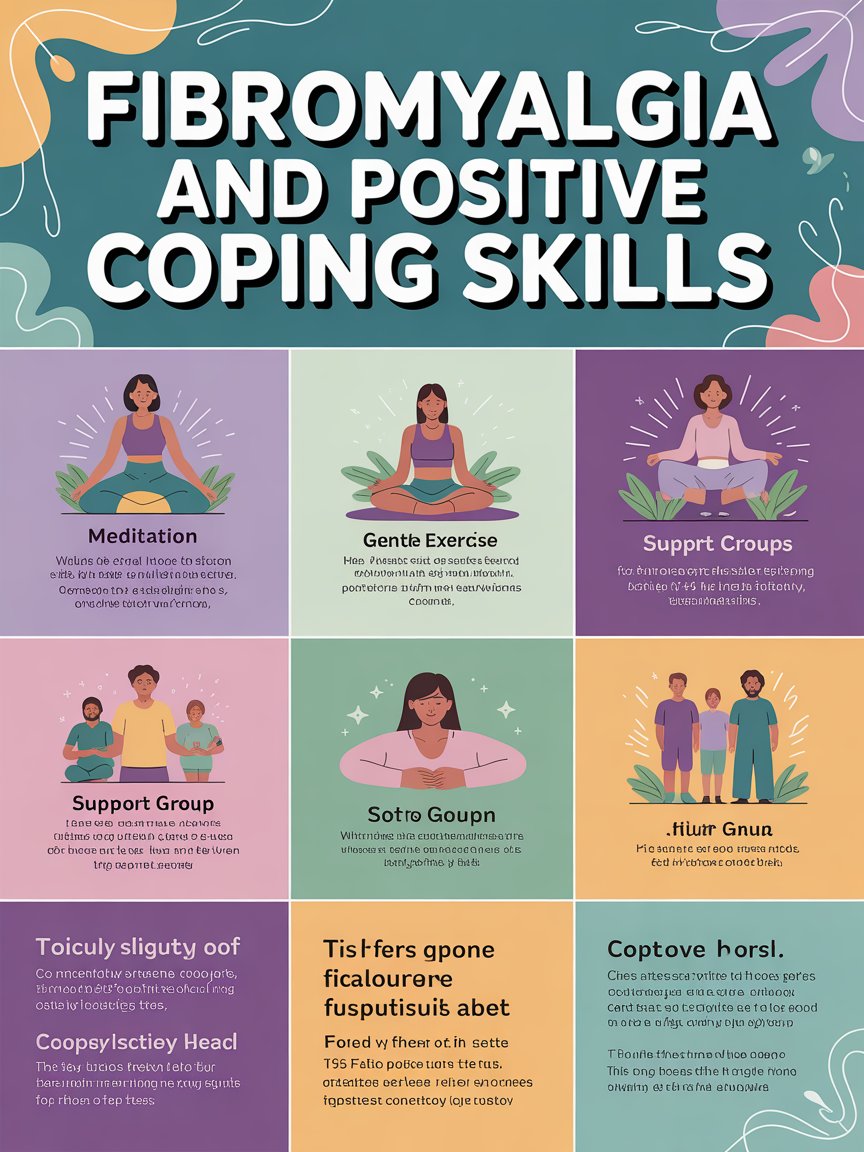
Fibromyalgia and Positive Coping Skills
1. Understanding Coping With Fibromyalgia
Fibromyalgia can affect many areas of life, including physical health, emotional well-being, and daily routines. Living with chronic pain and fatigue can sometimes feel overwhelming.
Developing positive coping skills helps individuals manage symptoms more effectively and maintain a balanced outlook.
2. Accepting the Condition
Acceptance is an important step in coping with fibromyalgia. Acknowledging the condition allows individuals to focus on practical strategies rather than constantly fighting the reality of their symptoms.
Acceptance can create a more peaceful mindset for managing daily challenges.
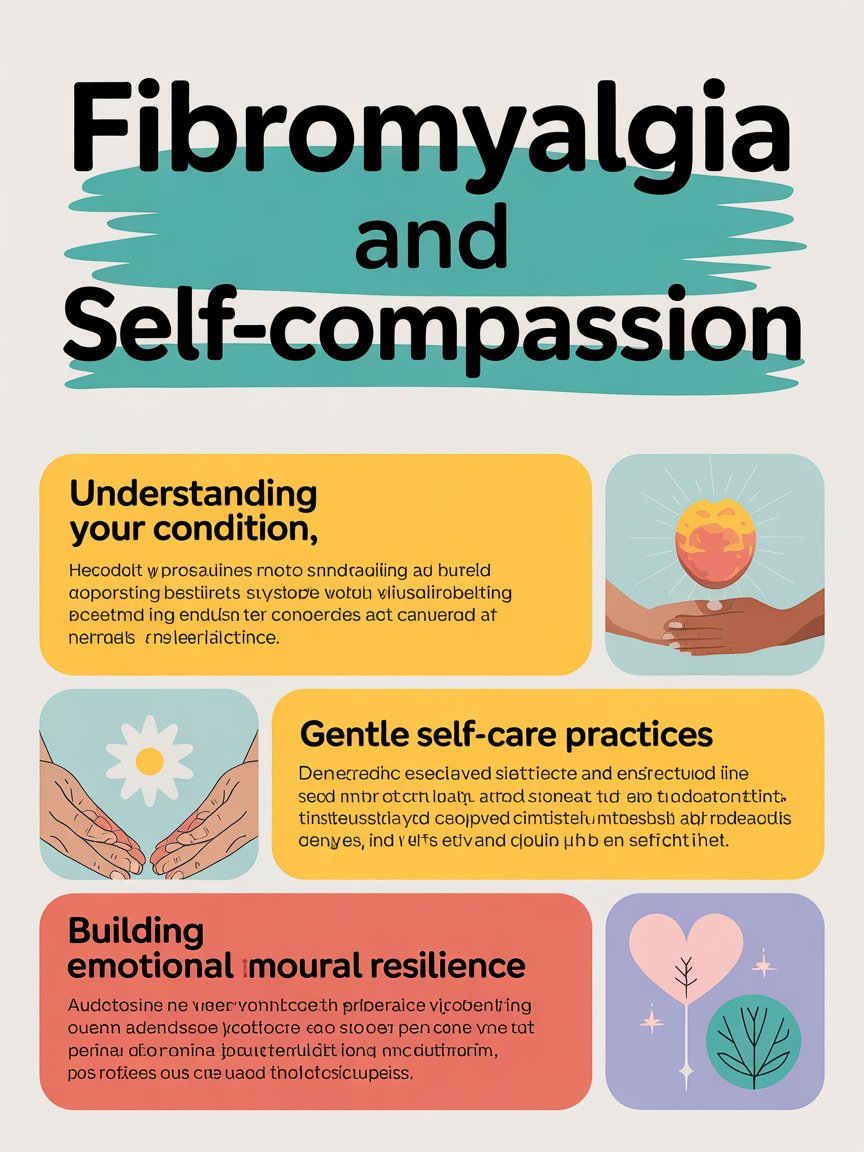
3. Practicing Self-Compassion
People with fibromyalgia may feel frustrated when they cannot do everything they once could. Practicing self-compassion means treating yourself with kindness and patience during difficult moments.
This mindset helps reduce emotional stress and supports mental well-being.
4. Setting Realistic Goals
Setting achievable goals can make daily life more manageable. Instead of focusing on large tasks, breaking goals into smaller steps helps maintain motivation.
Small successes can build confidence and create a sense of progress.
5. Learning Activity Pacing
Pacing activities helps prevent exhaustion and flare-ups. Spreading tasks throughout the day allows the body time to recover between activities.
This approach helps maintain more stable energy levels.
6. Using Relaxation Techniques
Relaxation techniques such as deep breathing, meditation, or mindfulness can calm the nervous system. These practices help reduce stress and may lessen pain intensity.
Regular relaxation can improve both physical and emotional comfort.
7. Maintaining Gentle Physical Activity
Light exercise such as walking, stretching, or yoga can help improve flexibility and circulation. Regular movement may also boost mood and reduce stiffness.
Starting slowly and increasing activity gradually is important.
8. Building a Support System
Emotional support from friends, family, or support groups can make coping easier. Talking with people who understand fibromyalgia helps reduce feelings of isolation.
Supportive relationships encourage resilience.
9. Practicing Positive Thinking
Maintaining a hopeful mindset can help individuals cope with daily challenges. Focusing on positive experiences and progress rather than limitations supports emotional strength.
Positive thinking does not ignore difficulties but helps manage them more effectively.
10. Managing Stress Effectively
Stress can worsen fibromyalgia symptoms. Identifying stress triggers and using calming techniques can help reduce tension and fatigue.
Regular stress management is a key coping skill.
11. Staying Organized
Organization can reduce mental overload. Using planners, notes, or reminders can make daily responsibilities easier to manage.
Staying organized helps maintain a sense of control.
12. Making Time for Enjoyable Activities
Engaging in hobbies or relaxing activities can improve mood and provide a break from focusing on symptoms.
Simple activities like reading, music, or creative hobbies can bring comfort and joy.
13. Learning From Experience
Over time, individuals with fibromyalgia often learn what strategies work best for them. Observing how different habits affect symptoms can guide better coping methods.
This knowledge helps individuals adapt their routines.
14. Building Emotional Resilience
Emotional resilience helps people recover from difficult moments. Developing coping skills, seeking support, and maintaining hope strengthen resilience over time.
Resilience helps individuals navigate the ups and downs of living with fibromyalgia.
15. Moving Toward a Balanced Life
Positive coping skills play a vital role in managing fibromyalgia. Through acceptance, self-care, supportive relationships, and healthy habits, individuals can create a more balanced and fulfilling life.
With patience and consistent effort, coping strategies can improve both daily comfort and long-term well-being.