Blog

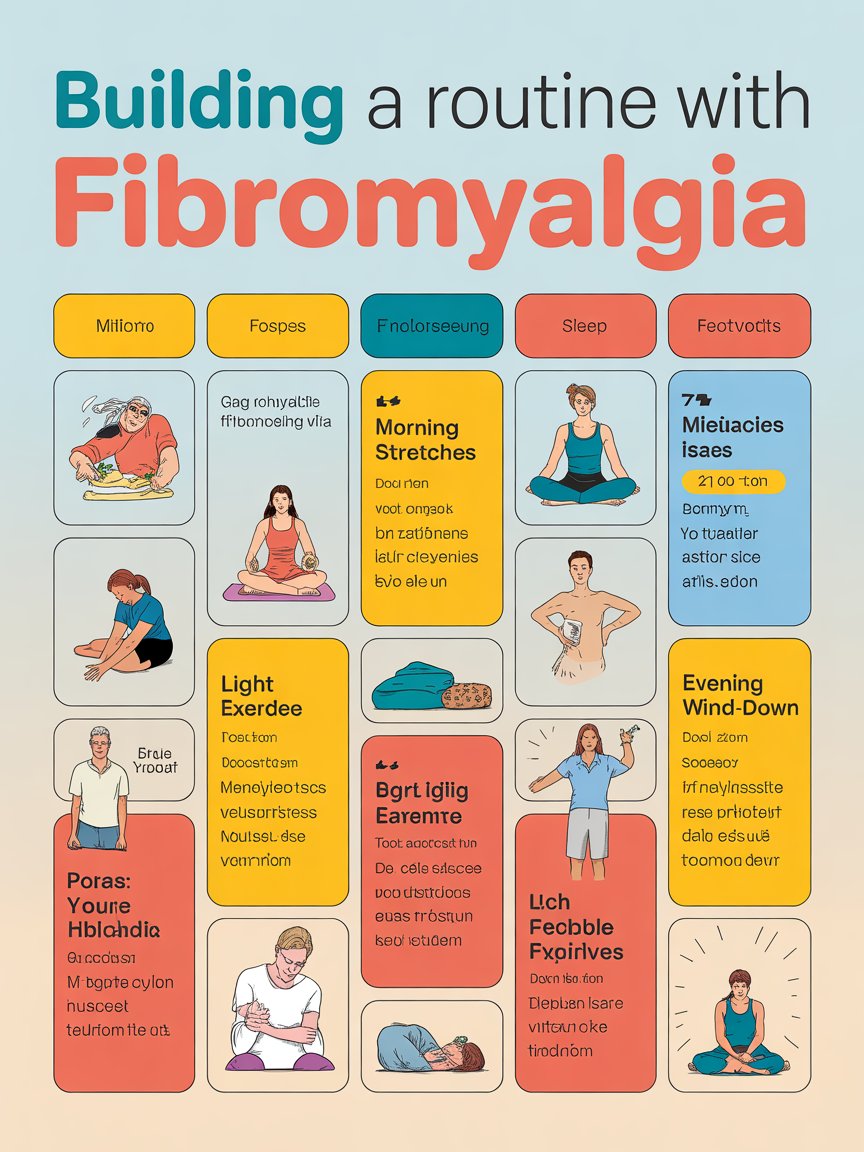
  • Building a Routine With Fibromyalgia

    Building a Routine With Fibromyalgia

    Building a Routine With Fibromyalgia

    1. Understanding the Importance of Routine

    Living with Fibromyalgia can make daily life unpredictable due to symptoms such as pain, fatigue, and sleep problems. Because symptoms may vary from day to day, having a structured routine can help bring stability and balance.

    A consistent routine allows individuals to manage energy levels better and reduce the chances of symptom flare-ups.

    2. Starting the Day Gently

    Mornings can be particularly difficult for people with fibromyalgia because of stiffness and fatigue. Starting the day slowly can help the body adjust.

    Gentle stretching, deep breathing, or a warm shower can help relax muscles and prepare the body for daily activities.

    3. Planning Activities Carefully

    Creating a daily plan helps organize tasks and avoid unnecessary stress. Prioritizing important activities and spreading them throughout the day prevents physical and mental overload.

    A written schedule or planner can help keep tasks manageable.

    4. Practicing Energy Pacing

    Energy pacing means balancing activity with rest. Doing too much at once can lead to exhaustion and flare-ups.

    Taking regular breaks and dividing tasks into smaller steps helps conserve energy and maintain productivity.

    5. Including Gentle Movement

    Regular physical activity is beneficial for managing fibromyalgia symptoms. Activities such as walking, stretching, or yoga can improve flexibility and reduce stiffness.

    Even short periods of movement can help maintain strength and circulation.

    6. Maintaining Consistent Meal Times

    Eating meals at regular times helps support energy levels throughout the day. Balanced meals that include protein, whole grains, and vegetables can provide steady nutrition.

    Proper nutrition also supports overall health and recovery.

    7. Creating Time for Relaxation

    Relaxation is an essential part of a healthy routine for people with fibromyalgia. Stress can worsen symptoms, so it is important to include calming activities during the day.

    Meditation, reading, or quiet rest can help reduce tension and improve emotional well-being.

    8. Managing Work and Responsibilities

    Work and daily responsibilities may need to be adjusted when living with fibromyalgia. Breaking tasks into smaller steps and allowing flexible schedules can reduce strain.

    Setting realistic goals helps maintain productivity without overwhelming the body.

    9. Staying Hydrated

    Proper hydration supports overall health and energy levels. Drinking enough water throughout the day helps maintain body functions and may reduce fatigue.

    Keeping a water bottle nearby can serve as a helpful reminder.

    10. Reducing Sensory Overload

    People with fibromyalgia may be sensitive to noise, bright lights, or busy environments. A routine that includes quiet and comfortable spaces can help reduce sensory stress.

    Creating a calm environment allows the body to relax and recover.

    11. Taking Short Rest Breaks

    Rest breaks are essential for maintaining energy. Short periods of rest between activities allow the body to recover and prevent overexertion.

    Even a few minutes of relaxation can help restore focus and strength.

    12. Maintaining a Consistent Sleep Schedule

    Sleep problems are common with fibromyalgia, making a regular sleep routine important. Going to bed and waking up at the same time each day can improve sleep patterns.

    A relaxing bedtime routine can help prepare the body for restful sleep.

    13. Tracking Symptoms and Energy Levels

    Keeping a journal of symptoms, activities, and energy levels can help identify patterns. This information allows individuals to adjust their routines to better suit their needs.

    Tracking progress can also help recognize improvements over time.

    14. Allowing Flexibility in the Routine

    While routines provide structure, it is also important to remain flexible. Some days may require more rest or fewer activities.

    Listening to the body’s signals and adjusting plans when needed helps prevent flare-ups.

    15. Creating a Balanced Lifestyle

    Building a routine with fibromyalgia is about balancing activity, rest, nutrition, and relaxation. A well-planned routine can reduce stress and improve daily functioning.

    With patience and consistency, individuals can develop habits that support better health and a more comfortable lifestyle.

  • Fibromyalgia and Sensory Pain

    Fibromyalgia and Sensory Pain

    Fibromyalgia and Sensory Pain

    1. Understanding Sensory Pain in Fibromyalgia

    Fibromyalgia is known for causing widespread pain, but many individuals also experience sensory pain. This means the body reacts strongly to sensations that would normally not cause discomfort.

    Simple stimuli such as light touch, sound, temperature changes, or pressure can feel painful or overwhelming for people with fibromyalgia.

    2. What Is Sensory Pain?

    Sensory pain refers to discomfort caused by the body’s heightened response to sensory input. The nervous system processes sensations like touch, heat, and sound.

    In fibromyalgia, this system may become overly sensitive, causing normal sensations to be interpreted as painful.

    3. The Role of the Nervous System

    The nervous system plays a key role in sensory pain. In fibromyalgia, the brain and spinal cord may amplify pain signals.

    This process, sometimes called pain amplification, can make mild sensations feel intense or uncomfortable.

    4. Touch Sensitivity

    Many people with fibromyalgia experience sensitivity to touch. Even light pressure from clothing, bedding, or gentle contact can cause discomfort.

    This symptom can make daily activities such as dressing or resting more challenging.

    5. Temperature Sensitivity

    Temperature changes may also trigger sensory pain. Cold environments can cause muscle stiffness, while heat may increase fatigue and discomfort.

    Because of this sensitivity, maintaining a stable and comfortable temperature can help reduce symptoms.

    6. Sensitivity to Light and Sound

    Some individuals with fibromyalgia are sensitive to bright lights and loud sounds. These stimuli can cause headaches, stress, or sensory overload.

    Calm and quiet environments often help reduce these effects.

    7. Muscle and Skin Sensitivity

    Sensory pain may affect both muscles and the skin. People with fibromyalgia sometimes report that their skin feels tender or overly sensitive.

    Muscle tenderness is also common, making pressure points painful.

    8. Fatigue and Sensory Overload

    Fatigue can increase sensitivity to sensory stimuli. When the body is exhausted, the nervous system may become less able to filter incoming sensations.

    This can make sounds, lights, and physical sensations feel overwhelming.

    9. Stress and Increased Sensitivity

    Stress can worsen sensory pain. Emotional tension may heighten the body’s pain response and make sensory experiences more intense.

    Managing stress is therefore an important part of reducing sensory discomfort.

    10. Improving Sleep Quality

    Poor sleep is a common issue in fibromyalgia and can worsen sensory symptoms. Lack of restorative sleep can increase pain sensitivity.

    Improving sleep habits may help reduce overall sensory discomfort.

    11. Gentle Movement and Relaxation

    Gentle activities such as stretching, yoga, or slow walking can help calm the nervous system. Regular movement supports circulation and reduces muscle tension.

    Relaxation exercises may also help lower sensory sensitivity.

    12. Creating a Sensory-Friendly Environment

    Reducing exposure to overwhelming stimuli can help manage sensory pain. Soft lighting, quiet surroundings, and comfortable clothing may reduce irritation.

    Creating a calm environment allows the nervous system to relax.

    13. Tracking Sensory Triggers

    Keeping track of situations that increase sensory pain can help identify triggers. Some individuals notice symptoms worsen with stress, fatigue, or certain environments.

    Recognizing patterns allows people to adjust their routines and avoid unnecessary discomfort.

    14. Working With Healthcare Professionals

    Healthcare providers can help individuals develop strategies to manage fibromyalgia symptoms. Treatments may include lifestyle changes, physical therapy, and other supportive therapies.

    Professional guidance can improve long-term symptom management.

    15. Living With Sensory Pain

    Although sensory pain can be challenging, many people with fibromyalgia learn effective ways to manage it. Understanding personal triggers, creating a comfortable environment, and maintaining healthy habits can reduce sensory overload.

    With proper care and self-awareness, individuals can improve comfort and maintain a better quality of life despite sensory sensitivity.

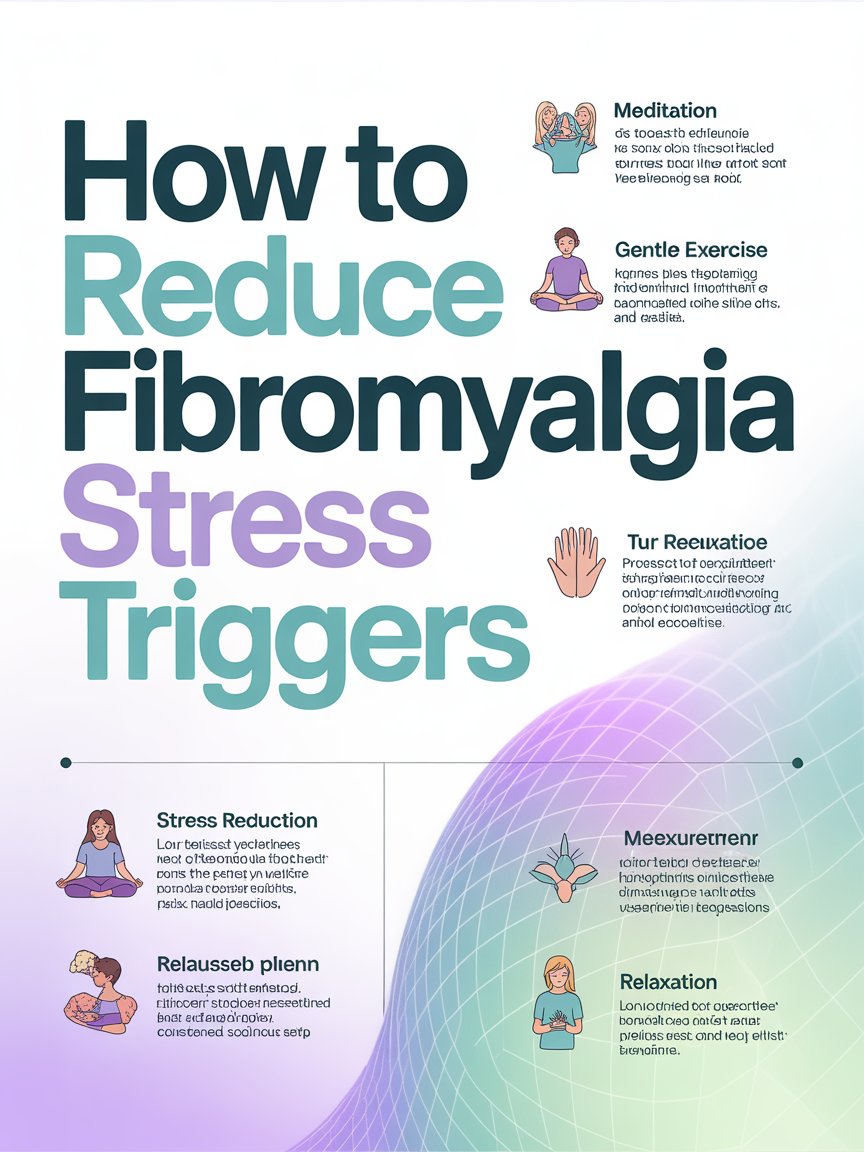
  • How to Reduce Fibromyalgia Stress Triggers

    How to Reduce Fibromyalgia Stress Triggers

    How to Reduce Fibromyalgia Stress Triggers

    1. Understanding Stress and Fibromyalgia

    Fibromyalgia is often closely linked with stress. Emotional or physical stress can worsen symptoms such as pain, fatigue, headaches, and sleep disturbances.

    Learning how to recognize and reduce stress triggers is an important step in managing fibromyalgia symptoms and maintaining overall well-being.

    2. Identifying Personal Stress Triggers

    Everyone experiences stress differently. Some people may feel increased symptoms due to work pressure, lack of sleep, or emotional conflicts.

    Keeping track of situations that worsen symptoms can help identify specific triggers and make it easier to avoid or manage them.

    3. Practicing Daily Relaxation Techniques

    Relaxation techniques can calm the nervous system and reduce stress levels. Activities such as deep breathing, meditation, or gentle stretching can help the body relax.

    Practicing relaxation daily may reduce tension and prevent stress from building up.

    4. Creating a Balanced Daily Schedule

    Overloading your schedule can increase fatigue and stress. Creating a balanced daily routine that includes time for rest and relaxation is important.

    Spacing out tasks throughout the day can help prevent physical and emotional exhaustion.

    5. Improving Sleep Habits

    Poor sleep can increase stress and worsen fibromyalgia symptoms. Establishing healthy sleep habits can help the body recover and maintain energy levels.

    Going to bed at the same time each night and creating a calming bedtime routine may improve sleep quality.

    6. Setting Healthy Boundaries

    Learning to say no when necessary can help reduce stress. Taking on too many responsibilities may lead to physical strain and emotional pressure.

    Setting realistic limits protects both physical and mental health.

    7. Managing Emotional Stress

    Emotional challenges such as anxiety, frustration, or worry can trigger fibromyalgia flare-ups. Talking with trusted friends, family members, or counselors can help process these emotions.

    Healthy emotional expression reduces mental tension and supports resilience.

    8. Staying Physically Active

    Gentle physical activity can help lower stress levels and improve mood. Activities such as walking, stretching, or yoga promote relaxation and support physical health.

    Regular movement also helps release natural chemicals in the body that improve mood.

    9. Maintaining a Healthy Diet

    Nutrition can influence stress levels and overall health. Eating balanced meals that include fruits, vegetables, whole grains, and lean proteins helps maintain energy and stability.

    Avoiding excessive caffeine or sugary foods may also help prevent mood swings and fatigue.

    10. Taking Breaks During the Day

    Continuous activity without rest can increase both stress and fatigue. Taking short breaks throughout the day allows the body to recharge.

    Even a few minutes of quiet rest can help reduce tension and improve focus.

    11. Creating a Calm Environment

    A peaceful home or work environment can help reduce stress triggers. Soft lighting, quiet spaces, and comfortable surroundings can promote relaxation.

    Reducing clutter and noise may also help create a more calming atmosphere.

    12. Practicing Mindfulness

    Mindfulness involves focusing on the present moment rather than worrying about the past or future. This practice can reduce anxiety and help individuals manage stress more effectively.

    Simple mindfulness exercises such as slow breathing or body awareness can be helpful.

    13. Seeking Professional Support

    Healthcare professionals, therapists, or support groups can provide guidance for managing stress related to fibromyalgia.

    Professional support can also help individuals develop coping strategies tailored to their specific needs.

    14. Building a Support Network

    Strong social support can reduce feelings of isolation and stress. Friends, family, and community groups can offer emotional encouragement and practical help.

    Sharing experiences with others who understand fibromyalgia can be comforting.

    15. Developing Long-Term Stress Management Habits

    Managing stress is an ongoing process for people with fibromyalgia. Developing healthy habits such as relaxation, balanced routines, and supportive relationships can make a significant difference.

    By actively reducing stress triggers, individuals can improve their quality of life and better manage fibromyalgia symptoms over time.

  • Fibromyalgia and Long-Term Management

    Fibromyalgia and Long-Term Management

    Fibromyalgia and Long-Term Management

    1. Understanding Long-Term Management of Fibromyalgia

    Fibromyalgia is a long-term condition that requires ongoing care and management. Because symptoms such as widespread pain, fatigue, and sleep disturbances can persist for years, developing a long-term strategy is essential.

    Effective management focuses on reducing symptoms, improving daily functioning, and maintaining a good quality of life.

    2. Recognizing the Nature of Chronic Conditions

    Fibromyalgia is considered a chronic condition, meaning it may not completely disappear but can be managed effectively. Symptoms often fluctuate, with periods of improvement followed by flare-ups.

    Understanding this pattern helps individuals prepare for changes and adjust their lifestyle accordingly.

    3. Building a Personalized Treatment Plan

    Each person experiences fibromyalgia differently, so treatment plans should be personalized. Some individuals may benefit more from physical therapies, while others may need stronger focus on stress management or sleep improvement.

    Working with healthcare professionals can help create a balanced approach that suits individual needs.

    4. Managing Pain Over Time

    Pain management is a central part of long-term fibromyalgia care. Techniques such as gentle stretching, heat therapy, relaxation exercises, and medication when prescribed can help reduce discomfort.

    Combining different strategies often provides better results than relying on a single approach.

    5. Improving Sleep Quality

    Sleep problems are common with fibromyalgia and can worsen other symptoms. Establishing healthy sleep habits can support long-term symptom control.

    Maintaining consistent bedtimes, limiting caffeine, and creating a relaxing bedtime routine can improve sleep quality.

    6. Staying Physically Active

    Regular movement helps maintain muscle strength and flexibility. Gentle activities such as walking, yoga, or swimming can help reduce stiffness and improve energy levels.

    Starting slowly and increasing activity gradually can help prevent flare-ups.

    7. Managing Fatigue

    Fatigue is one of the most challenging symptoms of fibromyalgia. Energy management techniques such as pacing activities, taking breaks, and prioritizing tasks can help conserve energy.

    Balancing activity and rest is essential for long-term stability.

    8. Maintaining Emotional Well-Being

    Living with chronic pain can affect emotional health. Anxiety, frustration, and mood changes may occur over time.

    Practicing stress management techniques such as meditation, breathing exercises, or counseling can support emotional resilience.

    9. Nutrition and Healthy Lifestyle

    A balanced diet can support overall health and energy levels. Eating nutrient-rich foods and staying hydrated helps the body function more efficiently.

    Healthy lifestyle habits may also support immune health and reduce inflammation.

    10. Identifying and Avoiding Triggers

    Some individuals notice that certain factors worsen their symptoms. Common triggers may include stress, poor sleep, overexertion, or sudden weather changes.

    Keeping track of these triggers can help individuals make adjustments to reduce flare-ups.

    11. Regular Medical Checkups

    Regular visits with healthcare providers allow symptoms to be monitored and treatment plans to be adjusted when necessary.

    Healthcare professionals can also help identify related conditions and recommend appropriate therapies.

    12. Education and Self-Awareness

    Learning more about fibromyalgia can empower individuals to take an active role in their care. Understanding symptoms, triggers, and management strategies helps people make informed decisions.

    Self-awareness also helps individuals recognize early signs of flare-ups.

    13. Support Systems and Community

    Support from family, friends, and support groups can make long-term management easier. Sharing experiences with others who understand the condition can provide emotional comfort and practical advice.

    Strong support networks can reduce feelings of isolation.

    14. Adapting to Changing Needs

    Fibromyalgia symptoms can change over time, so management strategies may also need to evolve. Flexibility and willingness to adjust routines can help maintain stability.

    Adapting to new challenges is part of long-term coping with chronic conditions.

    15. Living Well With Fibromyalgia

    Although fibromyalgia is a lifelong condition, many people learn to manage it successfully. With the right combination of medical care, lifestyle adjustments, and emotional support, individuals can lead fulfilling and active lives.

    Long-term management focuses not only on reducing symptoms but also on improving overall well-being and maintaining independence.

  • Creating a Fibromyalgia-Friendly Home

    Creating a Fibromyalgia-Friendly Home

    Creating a Fibromyalgia-Friendly Home

    1. Understanding the Importance of a Comfortable Home

    Living with Fibromyalgia can make everyday tasks more challenging due to pain, fatigue, and sensitivity. Because of this, creating a comfortable and supportive home environment can play a major role in symptom management.

    A fibromyalgia-friendly home focuses on reducing physical strain, improving relaxation, and making daily activities easier to handle.

    2. Prioritizing Comfortable Furniture

    Supportive furniture can help reduce pain and muscle tension. Chairs and sofas that provide proper back and neck support allow the body to relax more comfortably.

    Soft cushions, ergonomic seating, and adjustable chairs can help prevent stiffness and reduce pressure on sensitive muscles.

    3. Creating a Restful Bedroom Environment

    Sleep problems are common with fibromyalgia, so the bedroom should be designed for comfort and relaxation. A supportive mattress and soft bedding can help reduce pressure on the body.

    Keeping the bedroom quiet, dark, and cool may also improve sleep quality and help the body recover overnight.

    4. Managing Lighting Sensitivity

    Many people with fibromyalgia are sensitive to bright lights. Soft lighting, warm-toned bulbs, and adjustable lamps can help reduce eye strain and headaches.

    Curtains or blinds can also help control natural light during the day.

    5. Reducing Noise and Sensory Overload

    Noise sensitivity is another challenge for some individuals with fibromyalgia. A calm and quiet home environment can help reduce stress and sensory overload.

    Using rugs, curtains, or sound-absorbing materials can help minimize loud noises and create a peaceful atmosphere.

    6. Organizing the Home for Easy Access

    Keeping frequently used items within easy reach can reduce physical strain. Organizing kitchen supplies, clothing, and daily necessities in convenient places helps conserve energy.

    Simple organization strategies can make daily routines smoother and less tiring.

    7. Creating Relaxation Spaces

    Having a dedicated relaxation area in the home can support stress management. A comfortable chair, soft blankets, and calming décor can create a soothing space for rest.

    Relaxation spaces can also be used for meditation, reading, or gentle stretching.

    8. Maintaining Comfortable Temperatures

    Many people with fibromyalgia experience temperature sensitivity. Keeping the home at a comfortable temperature can help prevent discomfort and muscle stiffness.

    Using fans, heaters, or adjustable thermostats allows individuals to maintain a stable environment.

    9. Using Assistive Tools and Devices

    Small household tools can make daily tasks easier. Lightweight kitchen utensils, jar openers, and ergonomic cleaning tools can reduce strain on the hands and muscles.

    Assistive devices help conserve energy and make chores more manageable.

    10. Creating a Clutter-Free Environment

    A tidy and organized home can reduce both physical and mental stress. Clutter may increase the effort needed to move around or complete daily tasks.

    Keeping living spaces simple and organized helps promote a calm and comfortable environment.

    11. Adding Gentle Exercise Areas

    Light physical activity is beneficial for people with fibromyalgia. Creating a small area for stretching or yoga can encourage gentle movement.

    A yoga mat, resistance bands, or soft flooring can make exercise safer and more comfortable.

    12. Improving Air Quality

    Clean air can support overall health and comfort. Proper ventilation, indoor plants, or air purifiers can help improve air quality.

    A fresh and breathable environment may reduce headaches and fatigue.

    13. Using Warmth for Pain Relief

    Heat therapy can be helpful for managing fibromyalgia pain. Heating pads, warm blankets, or heated mattress covers can soothe sore muscles.

    Having these items easily available can provide quick relief during painful moments.

    14. Designing a Stress-Free Environment

    Stress can worsen fibromyalgia symptoms, so creating a calm home atmosphere is important. Soft colors, relaxing scents, and comfortable décor can help promote emotional well-being.

    A peaceful environment allows the body and mind to relax more easily.

    15. Making Home a Place of Healing

    A well-designed home can greatly improve daily life for people living with fibromyalgia. By focusing on comfort, organization, and relaxation, individuals can create a supportive space that reduces strain and stress.

    With thoughtful adjustments, a home can become a place that encourages rest, healing, and improved quality of life.

  • Fibromyalgia and Muscle Weakness

    Fibromyalgia and Muscle Weakness

    Fibromyalgia and Muscle Weakness

    1. Understanding Fibromyalgia and Muscle Weakness

    Fibromyalgia is widely known for causing widespread pain and fatigue, but many people with the condition also experience muscle weakness. This weakness can make everyday activities such as climbing stairs, carrying objects, or standing for long periods more difficult.

    Muscle weakness in fibromyalgia is often related to fatigue, pain sensitivity, and reduced physical endurance rather than actual muscle damage.

    2. What Muscle Weakness Feels Like

    People with fibromyalgia may feel that their muscles tire quickly or lack strength. Tasks that once felt easy may suddenly require more effort.

    This sensation can occur in different parts of the body, including the arms, legs, back, and shoulders.

    3. The Role of Chronic Fatigue

    Fatigue is one of the most common symptoms of fibromyalgia and can contribute greatly to muscle weakness. When the body lacks energy, muscles may feel heavy and less capable of performing physical tasks.

    Persistent fatigue can also reduce motivation for movement, which may further weaken muscles over time.

    4. Pain and Muscle Function

    Chronic pain can interfere with how muscles function. When muscles are constantly tense due to pain, they may not work efficiently.

    This tension can reduce flexibility and make muscles feel weaker or less responsive.

    5. Reduced Physical Activity

    Because fibromyalgia causes pain and exhaustion, many people become less physically active. Reduced activity can lead to muscle deconditioning, meaning muscles gradually lose strength.

    Over time, this lack of movement may contribute to increased weakness and stiffness.

    6. Nervous System Sensitivity

    Fibromyalgia is closely linked to how the nervous system processes pain signals. The nervous system may become more sensitive, causing normal muscle activity to feel painful or exhausting.

    This heightened sensitivity can make muscles feel weaker even when they are not physically damaged.

    7. Sleep Disturbances and Weakness

    Poor sleep is another major factor in fibromyalgia. When sleep is interrupted or not restorative, the body may not fully recover from daily physical activity.

    Lack of quality sleep can worsen fatigue and increase the sensation of muscle weakness.

    8. Muscle Stiffness and Reduced Strength

    Many people with fibromyalgia also experience muscle stiffness, especially in the morning. Stiff muscles may limit movement and reduce strength during daily tasks.

    Gentle stretching can help loosen tight muscles and improve mobility.

    9. The Importance of Gentle Exercise

    Although exercise may feel challenging, gentle physical activity can help improve muscle strength and endurance. Activities like walking, swimming, and stretching can support muscle health.

    Starting slowly and gradually increasing activity levels can prevent symptom flare-ups.

    10. Strength-Building Activities

    Light strength exercises using resistance bands or small weights can help improve muscle tone over time. These exercises should be performed carefully to avoid overexertion.

    Consistent, low-intensity strength training can gradually increase muscle capacity.

    11. Balanced Nutrition for Muscle Health

    Proper nutrition supports muscle strength and recovery. A balanced diet that includes protein, vitamins, and minerals helps maintain muscle function.

    Adequate hydration is also important for muscle performance and overall health.

    12. Managing Energy Levels

    Energy management is essential for people with fibromyalgia. Spreading activities throughout the day and taking breaks can prevent exhaustion.

    This strategy, often called pacing, helps conserve energy and reduce muscle fatigue.

    13. Physical Therapy Support

    Physical therapy can be helpful for managing muscle weakness. A trained therapist can design exercises tailored to an individual’s comfort level and physical ability.

    These personalized programs can improve strength while minimizing pain.

    14. Listening to Your Body

    Understanding personal limits is important when managing fibromyalgia symptoms. Pushing too hard can trigger flare-ups and increase muscle pain.

    Balancing activity with rest allows muscles to recover and function better over time.

    15. Improving Strength Over Time

    While muscle weakness can be a challenging symptom of fibromyalgia, gradual lifestyle changes can help improve strength and endurance. Gentle exercise, proper rest, and healthy nutrition all play important roles.

    With consistent care and patience, many individuals with fibromyalgia can build stronger muscles and improve their ability to perform daily activities.

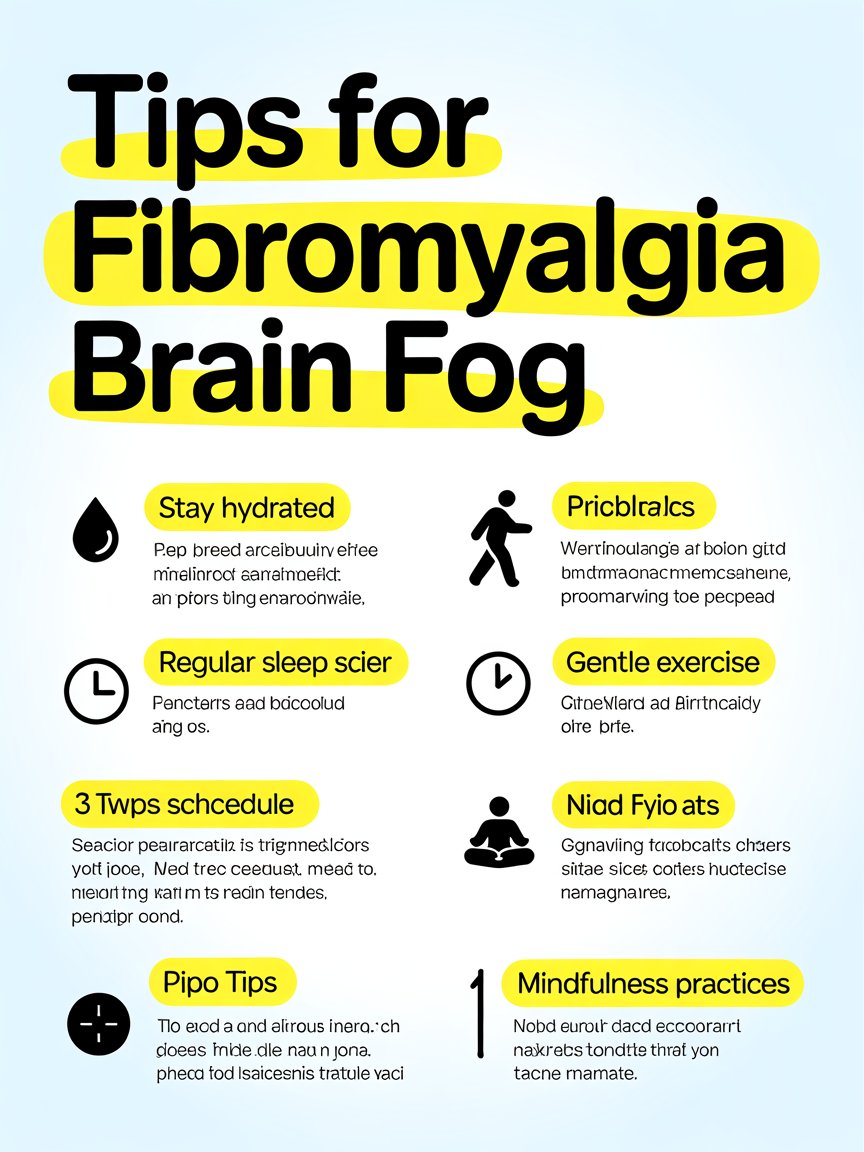
  • Tips for Fibromyalgia Brain Fog

    Tips for Fibromyalgia Brain Fog

    Tips for Fibromyalgia Brain Fog

    1. Understanding Fibromyalgia Brain Fog

    Fibromyalgia is not only associated with widespread pain and fatigue but also with cognitive difficulties often called “fibro fog” or brain fog. This condition can make it harder to concentrate, remember information, or think clearly.

    Many people with fibromyalgia experience moments where they struggle to recall words, stay focused, or complete mental tasks. While these symptoms can be frustrating, there are strategies that may help improve mental clarity.

    2. What Causes Brain Fog in Fibromyalgia

    Brain fog in fibromyalgia is believed to be linked to how the brain processes pain and fatigue. Poor sleep, stress, and constant pain signals can overwhelm the nervous system.

    When the brain is constantly managing pain and fatigue, it may have fewer resources available for memory and concentration.

    3. Improve Sleep Quality

    Sleep plays a major role in cognitive function. Many people with fibromyalgia experience sleep disturbances that prevent the body and brain from fully resting.

    Creating a consistent sleep routine, limiting screen time before bed, and maintaining a comfortable sleep environment can support better rest and clearer thinking.

    4. Manage Stress Levels

    Stress can worsen brain fog and make concentration more difficult. High stress levels increase mental fatigue and may intensify fibromyalgia symptoms.

    Practicing relaxation techniques such as meditation, breathing exercises, or gentle stretching can help calm the mind and improve focus.

    5. Break Tasks Into Smaller Steps

    Large tasks can feel overwhelming when dealing with brain fog. Breaking activities into smaller, manageable steps can make them easier to complete.

    Completing one step at a time helps reduce mental overload and improves productivity.

    6. Use Notes and Reminders

    Memory challenges are common with fibromyalgia. Writing things down can help reduce frustration and prevent forgetting important details.

    Using notebooks, planners, or reminder apps can help organize daily responsibilities and keep track of tasks.

    7. Maintain a Regular Routine

    Consistency can help the brain function more efficiently. A predictable daily routine reduces mental effort because the brain becomes familiar with regular patterns.

    Regular sleep, meals, and activity schedules can support improved mental clarity.

    8. Stay Physically Active

    Gentle physical activity can boost circulation and support brain health. Activities such as walking, stretching, or yoga may improve mood and mental alertness.

    Even short periods of movement during the day can help reduce fatigue and support cognitive function.

    9. Eat a Balanced Diet

    Nutrition plays an important role in brain health. A diet rich in fruits, vegetables, whole grains, and healthy fats can support cognitive performance.

    Staying hydrated is also important, as dehydration can contribute to fatigue and difficulty concentrating.

    10. Limit Multitasking

    Trying to do several things at once can worsen brain fog. Multitasking forces the brain to divide attention, which may reduce focus and increase mistakes.

    Focusing on one task at a time can help improve accuracy and mental clarity.

    11. Practice Mental Exercises

    Mental stimulation can help keep the brain active. Activities like puzzles, reading, memory games, or learning new skills can strengthen cognitive function.

    Regular mental challenges may help maintain focus and improve memory over time.

    12. Take Regular Breaks

    Fatigue can quickly worsen brain fog. Taking short breaks during work or daily tasks allows the brain to rest and recharge.

    Even a few minutes of relaxation can help restore focus and energy.

    13. Reduce Sensory Overload

    Bright lights, loud noises, and busy environments can make concentration harder for people with fibromyalgia.

    Creating a calm and quiet environment can support better mental focus and reduce cognitive fatigue.

    14. Track Cognitive Patterns

    Keeping track of when brain fog occurs can help identify triggers. Some people notice that their cognitive symptoms worsen during periods of stress, poor sleep, or physical exhaustion.

    Understanding these patterns allows individuals to adjust their routines and reduce symptom flare-ups.

    15. Managing Brain Fog With Patience

    Brain fog can be one of the most frustrating aspects of fibromyalgia, but it is manageable with the right strategies. By improving sleep, reducing stress, and organizing daily tasks, many people can reduce cognitive difficulties.

    With patience and consistent self-care, individuals with fibromyalgia can find ways to stay productive and maintain mental clarity in their daily lives.

  • Fibromyalgia and Immune System Function

    Fibromyalgia and Immune System Function

    Fibromyalgia and Immune System Function

    1. Introduction to Fibromyalgia and the Immune System

    Fibromyalgia is a long-term condition that causes widespread pain, fatigue, sleep problems, and cognitive difficulties. While fibromyalgia is mainly linked to how the brain and nervous system process pain, researchers have also explored possible connections with the immune system.

    Some people with fibromyalgia experience symptoms that resemble immune system activity, such as inflammation-like pain, sensitivity, and frequent fatigue. This has led scientists to investigate whether immune responses play a role in the condition.

    2. Understanding the Immune System

    The immune system is the body’s defense network against infections, viruses, and harmful substances. It includes cells, tissues, and organs that work together to protect the body.

    When the immune system functions normally, it identifies threats and fights them effectively. However, when it becomes overactive or dysregulated, it can contribute to chronic health conditions.

    3. Is Fibromyalgia an Autoimmune Disease?

    Many people wonder whether fibromyalgia is an autoimmune disorder. Currently, it is not classified as an autoimmune disease like Rheumatoid Arthritis or Lupus.

    Autoimmune diseases occur when the immune system attacks the body’s own tissues. In fibromyalgia, there is no clear evidence that this type of immune attack occurs, although immune system involvement may still exist.

    4. Nervous System and Immune System Interaction

    The nervous system and immune system communicate closely with each other. In fibromyalgia, the nervous system becomes more sensitive to pain signals.

    This heightened sensitivity may influence how the immune system reacts, possibly leading to increased inflammation signals or immune activity in the body.

    5. Low-Grade Inflammation

    Some studies suggest that people with fibromyalgia may experience low-grade inflammation. Unlike severe inflammation seen in autoimmune diseases, this type is subtle and difficult to detect.

    Low-level inflammation may contribute to fatigue, muscle pain, and overall discomfort.

    6. Immune System Cells and Fibromyalgia

    Researchers have studied certain immune cells, such as cytokines and antibodies, in people with fibromyalgia. Cytokines are small proteins that help regulate inflammation and immune responses.

    Imbalances in these immune signals may influence how pain and fatigue are experienced.

    7. Increased Sensitivity to Illness

    Some individuals with fibromyalgia report that they become sick more easily or take longer to recover from infections.

    While this does not necessarily mean the immune system is weak, it may indicate that the body’s stress response and immune activity are affected by the condition.

    8. Fibromyalgia and Chronic Stress

    Chronic stress can strongly affect immune system function. Stress hormones can disrupt the body’s balance and increase inflammation.

    Because fibromyalgia symptoms are often worsened by stress, managing emotional and physical stress can support immune health.

    9. Sleep and Immune Health

    Poor sleep is a common symptom of fibromyalgia and can also weaken immune responses. Lack of restorative sleep may increase fatigue and reduce the body’s ability to recover from illness.

    Improving sleep quality may help support both immune function and symptom management.

    10. The Role of Diet and Nutrition

    Healthy nutrition plays an important role in maintaining immune system balance. Diets rich in fruits, vegetables, whole grains, and healthy fats support overall health.

    Certain nutrients such as vitamins, antioxidants, and minerals help the immune system function properly.

    11. Exercise and Immune Support

    Gentle physical activity can support both the immune system and fibromyalgia symptom control. Activities like walking, stretching, and swimming improve circulation and reduce stress.

    Regular movement may also help reduce inflammation and improve energy levels.

    12. Gut Health and the Immune System

    A large portion of the immune system is connected to the digestive system. Some people with fibromyalgia also experience digestive issues such as Irritable Bowel Syndrome.

    Maintaining good gut health through balanced nutrition and hydration may help support immune balance.

    13. Managing Immune-Related Symptoms

    Although fibromyalgia is not primarily an immune disorder, supporting immune health can still improve overall well-being. Healthy habits such as proper sleep, stress management, and regular activity are beneficial.

    These lifestyle strategies can help reduce symptom intensity and improve daily functioning.

    14. Ongoing Research on Fibromyalgia

    Scientists continue to study the relationship between fibromyalgia and immune system activity. New research is exploring how inflammation, immune cells, and nervous system sensitivity interact.

    These studies may lead to better understanding and improved treatment options in the future.

    15. Living Well With Fibromyalgia

    Fibromyalgia is a complex condition involving many body systems, including the nervous and immune systems. While it is not considered an autoimmune disease, immune function may still influence symptoms.

    By focusing on healthy lifestyle habits and working closely with healthcare providers, individuals with fibromyalgia can better manage symptoms and support their overall health.

  • Fibromyalgia and Weather Sensitivity

    Fibromyalgia and Weather Sensitivity

    Fibromyalgia and Weather Sensitivity

    1. Introduction to Weather Sensitivity in Fibromyalgia

    Many people living with Fibromyalgia report that their symptoms change with the weather. Shifts in temperature, humidity, or air pressure can sometimes make pain, fatigue, and stiffness worse. This connection is often referred to as weather sensitivity.

    Although not everyone experiences this effect, many individuals notice that certain weather conditions trigger symptom flare-ups. Understanding this relationship can help people better prepare for difficult days.

    2. Why Weather Can Affect the Body

    Weather changes can influence the body in several ways. Temperature shifts and atmospheric pressure changes may affect muscles, joints, and nerves.

    For people with fibromyalgia, whose nervous systems are already more sensitive to pain signals, these environmental changes can intensify discomfort and fatigue.

    3. Temperature Changes and Pain Levels

    Sudden changes in temperature are a common trigger for fibromyalgia symptoms. Cold weather can cause muscles to tighten, which may increase pain and stiffness.

    On the other hand, extremely hot temperatures can lead to exhaustion and worsen fatigue. Many people with fibromyalgia find that moderate temperatures feel more comfortable for their bodies.

    4. The Impact of Cold Weather

    Cold weather is frequently linked to increased fibromyalgia pain. Low temperatures may cause muscles to contract and joints to feel stiff.

    People often report greater body aches during winter months or when exposed to cold environments for long periods.

    5. Heat and Fibromyalgia Fatigue

    While warmth can sometimes relax muscles, excessive heat may worsen fatigue and dizziness. High temperatures can also make it difficult for some individuals to stay active.

    Staying hydrated and avoiding prolonged exposure to heat can help reduce discomfort during warmer weather.

    6. Humidity and Muscle Discomfort

    Humidity levels can also influence fibromyalgia symptoms. High humidity may make the air feel heavier, which can increase feelings of tiredness and body aches.

    Some people report that humid conditions make their muscles feel more tender and sensitive.

    7. Barometric Pressure Changes

    Barometric pressure refers to the weight of the air in the atmosphere. Sudden drops in air pressure, often before storms, may trigger increased pain in people with fibromyalgia.

    Although the exact reason is not fully understood, many individuals consistently notice symptom changes when storms approach.

    8. Seasonal Changes and Symptom Flare-Ups

    Different seasons can bring different challenges for fibromyalgia patients. Winter may increase stiffness and pain, while summer may worsen fatigue and dehydration.

    Seasonal awareness allows individuals to prepare their routines and self-care strategies in advance.

    9. Managing Cold Weather Sensitivity

    There are several ways to reduce the impact of cold weather. Wearing warm clothing, using heating pads, and keeping living spaces comfortably warm can help relax muscles.

    Gentle stretching can also improve circulation and reduce stiffness during colder months.

    10. Coping With Heat and Humidity

    When temperatures rise, it is important to stay cool and hydrated. Light clothing, shaded areas, and proper ventilation can help regulate body temperature.

    Taking breaks and avoiding intense activity during the hottest parts of the day may also prevent fatigue.

    11. Monitoring Weather Patterns

    Some people find it helpful to track their symptoms alongside weather conditions. This can reveal patterns between pain levels and certain weather changes.

    Once patterns are identified, individuals can plan rest, exercise, and other activities around expected weather shifts.

    12. Maintaining a Consistent Routine

    Keeping a stable daily routine can help reduce the impact of weather-related flare-ups. Regular sleep, balanced meals, and light physical activity support overall health.

    A consistent routine can make the body more resilient to environmental changes.

    13. Stress and Weather Sensitivity

    Weather changes can sometimes increase emotional stress, especially when symptoms worsen. Stress itself may intensify pain and fatigue.

    Practicing relaxation techniques such as meditation, deep breathing, or gentle yoga can help calm the body during difficult weather conditions.

    14. Listening to Your Body’s Signals

    Everyone experiences fibromyalgia differently. Paying attention to how your body reacts to weather changes is an important part of symptom management.

    When early signs of discomfort appear, adjusting activities and allowing time for rest can prevent symptoms from becoming severe.

    15. Living Comfortably Despite Weather Changes

    Weather sensitivity can be challenging for people with fibromyalgia, but understanding its effects can make it easier to manage. By preparing for temperature changes and adjusting daily habits, individuals can reduce the impact of weather on their symptoms.

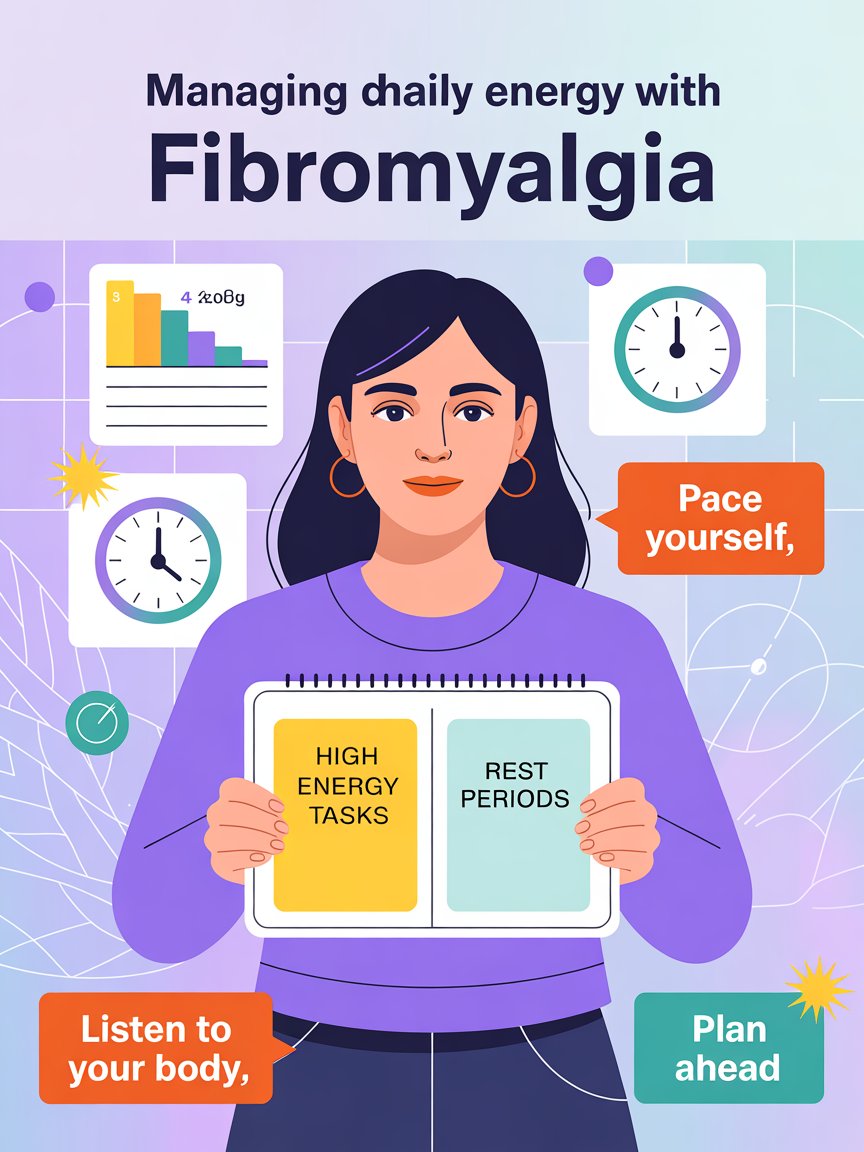
  • Fibromyalgia and Daily Energy Planning

    Fibromyalgia and Daily Energy Planning

    Fibromyalgia and Daily Energy Planning

    1. Understanding Energy Limits in Fibromyalgia

    Fibromyalgia is a chronic condition that often causes widespread pain, fatigue, and mental fog. One of the biggest challenges people with Fibromyalgia face is managing limited energy throughout the day. Many individuals experience sudden drops in energy, making even simple tasks feel overwhelming.

    Daily energy planning helps people better organize activities so they do not exhaust themselves. By understanding personal energy limits, individuals can avoid severe fatigue and reduce the risk of symptom flare-ups.

    2. Why Energy Management Matters

    Managing energy is essential for maintaining a balanced lifestyle with fibromyalgia. When people push themselves too hard, their bodies may respond with increased pain, exhaustion, and difficulty concentrating.

    Planning energy use helps prevent these setbacks. It allows individuals to distribute activities throughout the day in a way that protects their physical and mental well-being.

    3. Recognizing Energy Patterns

    Every person with fibromyalgia has different energy patterns. Some people feel more energetic in the morning, while others may function better later in the day.

    Keeping a daily journal can help identify when energy levels are highest and lowest. Once these patterns are understood, activities can be scheduled during periods of higher energy.

    4. The Importance of Pacing

    Pacing is a key strategy for managing fibromyalgia symptoms. It involves balancing activity with rest to avoid overexertion.

    Instead of completing many tasks at once, pacing encourages breaking tasks into smaller steps. This approach allows the body to recover and maintain a steady energy level.

    5. Setting Realistic Goals

    People with fibromyalgia often feel pressure to keep up with normal routines. However, setting realistic goals is important for protecting energy.

    Simple adjustments, such as completing fewer tasks per day or spreading activities across several days, can prevent fatigue and stress.

    6. Prioritizing Daily Activities

    Not every task needs to be done immediately. Energy planning involves deciding which activities are most important and which can wait.

    Prioritizing essential responsibilities helps conserve energy for tasks that truly matter while reducing unnecessary strain.

    7. Taking Regular Rest Breaks

    Rest breaks are a crucial part of daily energy management. Short breaks throughout the day allow the body to recover before fatigue becomes overwhelming.

    Even a few minutes of relaxation or quiet time can help restore energy and improve focus.

    8. Creating a Balanced Routine

    A structured routine can make energy management easier. Planning specific times for work, rest, meals, and relaxation helps maintain consistency.

    A balanced routine reduces stress on the body and prevents sudden energy crashes that are common with fibromyalgia.

    9. Using the “Energy Budget” Concept

    Some people describe their daily energy as an “energy budget.” Each task requires a certain amount of energy, and once that energy is spent, fatigue increases.

    By thinking of energy like a limited resource, individuals can choose activities carefully and avoid overextending themselves.

    10. Managing Stress to Protect Energy

    Stress can quickly drain energy and worsen symptoms of fibromyalgia. Emotional strain may increase muscle tension and fatigue.

    Practicing relaxation techniques such as deep breathing, meditation, or gentle stretching can help preserve energy and reduce stress.

    11. The Role of Sleep in Energy Planning

    Quality sleep plays a vital role in maintaining energy levels. Unfortunately, many people with fibromyalgia struggle with sleep disturbances.

    Improving sleep habits, such as maintaining a regular bedtime and creating a comfortable sleep environment, can help restore energy and reduce daytime fatigue.

    12. Gentle Physical Activity and Energy

    Although fatigue is common, gentle physical activity can actually improve energy over time. Light exercises such as walking, stretching, or yoga can support circulation and muscle health.

    The key is to keep activity levels moderate and consistent without pushing the body beyond its limits.

    13. Listening to Your Body

    One of the most important aspects of energy planning is learning to listen to your body. Early signs of fatigue, such as muscle soreness or mental fog, should not be ignored.

    Responding to these signals by resting or slowing down can prevent symptoms from becoming more severe.

    14. Building Support for Daily Tasks

    Having support from family, friends, or caregivers can make energy planning easier. Sharing responsibilities helps reduce the physical and emotional burden.

    Support systems allow individuals with fibromyalgia to focus their limited energy on activities that improve their quality of life.

    15. Living Better Through Energy Awareness

    Daily energy planning is a practical way to manage fibromyalgia symptoms and maintain balance in everyday life. By pacing activities, prioritizing tasks, and allowing time for rest, individuals can protect their energy.

    With patience and self-awareness, people living with fibromyalgia can create routines that support both health and productivity, helping them live more comfortably despite the challenges of this condition.