Blog

  • How to Stay Active With Fibromyalgia

    How to Stay Active With Fibromyalgia

    How to Stay Active With Fibromyalgia

    1. Understanding Activity and Fibromyalgia

    Fibromyalgia is a chronic condition that causes widespread pain, fatigue, and muscle stiffness. Because of these symptoms, staying active can sometimes feel difficult. However, regular gentle movement can help improve flexibility, reduce pain, and support overall well-being.

    2. Starting Slowly and Gradually

    One of the most important steps in staying active with fibromyalgia is to begin slowly. Starting with short sessions of light activity allows the body to adjust without becoming overwhelmed. Gradually increasing the intensity and duration can help prevent flare-ups.

    3. Choosing Low-Impact Activities

    Low-impact exercises are usually the best option for people with fibromyalgia. Activities such as walking, swimming, gentle stretching, and yoga are easier on the joints and muscles. These exercises help improve strength and mobility without causing excessive strain.

    4. Listening to Your Body

    Fibromyalgia symptoms can change from day to day. Paying attention to how the body feels during activity is important. If pain or fatigue becomes too intense, it may be helpful to slow down or take a break.

    5. Creating a Consistent Routine

    Consistency is key when staying active with fibromyalgia. Establishing a regular routine helps the body adapt to movement. Even small amounts of daily activity can make a positive difference over time.

    6. Balancing Activity and Rest

    While staying active is beneficial, rest is equally important. Overexertion can lead to fatigue and increased pain. Alternating periods of activity with rest helps maintain energy levels throughout the day.

    7. Incorporating Gentle Stretching

    Stretching exercises can help reduce muscle stiffness and improve flexibility. Gentle stretching before and after physical activity can prepare muscles for movement and reduce discomfort. Regular stretching also promotes better circulation.

    8. Exercising in a Comfortable Environment

    The environment where exercise takes place can influence comfort levels. Warm temperatures, supportive surfaces, and calm surroundings can make activity more enjoyable. Many people with fibromyalgia find that warm water exercises are especially soothing.

    9. Setting Realistic Goals

    Setting small and realistic activity goals can help maintain motivation. Achieving these goals gradually builds confidence and encourages continued movement. Progress may be slow, but consistency leads to improvement.

    10. Using Relaxation Techniques

    Relaxation techniques such as deep breathing or meditation can help reduce tension before and after exercise. Relaxing the mind and body may help prevent muscle tightness. These practices also support emotional well-being.

    11. Staying Hydrated

    Proper hydration supports muscle function and overall health. Drinking enough water before and after physical activity can help prevent fatigue and muscle discomfort. Hydration is an important part of maintaining an active lifestyle.

    12. Tracking Progress

    Keeping a record of activities and symptoms can help individuals understand what works best for their bodies. Tracking progress may reveal patterns that help improve activity routines. This awareness can guide healthier decisions.

    13. Seeking Support and Encouragement

    Support from friends, family, or support groups can make staying active easier. Encouragement from others can help maintain motivation during challenging days. Shared activities may also make exercise more enjoyable.

    14. Working With Healthcare Professionals

    Healthcare providers can offer guidance on safe and effective activity plans. Physical therapists or fitness specialists may recommend exercises that support mobility and reduce pain. Professional advice helps ensure that activity levels remain appropriate.

    15. Maintaining Long-Term Activity

    Staying active with fibromyalgia is an ongoing process that requires patience and consistency. Gentle exercise, balanced rest, and healthy habits can gradually improve strength and endurance. Over time, maintaining regular movement can support better physical health and quality of life.


  • Fibromyalgia and Exercise Myths

    Fibromyalgia and Exercise Myths

    Fibromyalgia and Exercise Myths

    1. Understanding Exercise and Fibromyalgia

    Fibromyalgia is a chronic condition that causes widespread pain, fatigue, and muscle stiffness. Because of these symptoms, many people believe that exercise is harmful for individuals with fibromyalgia. However, gentle and appropriate physical activity can actually help improve symptoms and overall well-being.

    2. Myth: Exercise Makes Fibromyalgia Pain Worse

    One common myth is that exercise will always increase pain. While intense or sudden workouts may cause discomfort, gentle and gradual exercise can reduce pain over time. The key is to start slowly and build activity levels gradually.

    3. Myth: People With Fibromyalgia Should Avoid Exercise

    Some people think that individuals with fibromyalgia should avoid physical activity completely. In reality, avoiding movement can lead to increased stiffness and muscle weakness. Regular gentle movement helps maintain flexibility and mobility.

    4. Myth: Only Intense Exercise Is Effective

    Another misconception is that only high-intensity workouts produce benefits. For fibromyalgia patients, low-impact exercises are often the most beneficial. Activities such as walking, stretching, or light yoga can improve strength and reduce stiffness.

    5. Myth: Exercise Must Be Done Every Day

    Many people believe exercise must be done daily to be effective. While consistency is important, rest days are equally valuable. Allowing the body time to recover helps prevent fatigue and reduces the risk of flare-ups.

    6. Myth: Exercise Should Push the Body to Its Limits

    Some believe that exercise should always be challenging or exhausting. For fibromyalgia patients, pushing too hard can worsen symptoms. Gentle and moderate exercise is usually more helpful than intense workouts.

    7. Myth: Exercise Only Helps Physical Symptoms

    Exercise is often associated only with physical health, but it also benefits mental well-being. Physical activity can improve mood, reduce stress, and support emotional balance. These benefits are especially important for people living with chronic conditions.

    8. Myth: Exercise Cannot Reduce Fatigue

    It may seem surprising, but gentle exercise can actually reduce fatigue. Regular movement improves circulation and supports better energy levels. Over time, physical activity can help the body become more resilient.

    9. Myth: Exercise Requires Special Equipment

    Some people think that exercise requires expensive equipment or gym memberships. Many beneficial activities can be done at home or outdoors. Simple exercises such as stretching or walking require minimal resources.

    10. Myth: Exercise Results Are Immediate

    Another misconception is that exercise will provide instant results. For fibromyalgia patients, progress may take time and patience. Gradual improvement is more realistic and sustainable.

    11. Myth: Pain Means Exercise Should Stop Completely

    Mild discomfort during activity can sometimes occur, especially when starting a new routine. However, severe pain is a signal to slow down or adjust the activity. Listening to the body helps maintain safe exercise habits.

    12. Choosing the Right Type of Exercise

    Low-impact exercises are usually best for fibromyalgia patients. Activities such as swimming, gentle yoga, stretching, and walking are often recommended. These exercises help strengthen muscles without putting excessive strain on the body.

    13. Starting Slowly and Building Gradually

    Beginning with short and simple activities can help the body adapt to movement. Gradually increasing intensity and duration helps prevent overexertion. This slow progression supports long-term success.

    14. Combining Exercise With Other Self-Care Practices

    Exercise works best when combined with other healthy habits. Good sleep, stress management, and balanced nutrition can support the benefits of physical activity. Together, these practices help improve overall well-being.

    15. Understanding the True Role of Exercise

    Exercise is not a cure for fibromyalgia, but it is an important tool for symptom management. When done gently and consistently, physical activity can reduce stiffness, improve mood, and support better health. Understanding the truth behind exercise myths can help individuals with fibromyalgia stay active safely and confidently.

  • Fibromyalgia and Chronic Pain Management

    Fibromyalgia and Chronic Pain Management

    Fibromyalgia and Chronic Pain Management

    1. Understanding Fibromyalgia and Chronic Pain

    Fibromyalgia is a long-term condition that causes widespread pain throughout the body. Unlike many other pain disorders, fibromyalgia pain is linked to how the brain and nervous system process pain signals. Effective pain management strategies are important for improving comfort and maintaining daily function.

    2. Why Chronic Pain Occurs in Fibromyalgia

    Chronic pain in fibromyalgia is believed to result from changes in the central nervous system. The brain may amplify pain signals, making even mild sensations feel intense. This heightened pain sensitivity can lead to persistent discomfort.

    3. Recognizing Common Pain Patterns

    Fibromyalgia pain often appears in multiple areas of the body, including the neck, shoulders, back, hips, and legs. The pain may feel dull, aching, or burning. It may also shift from one area to another over time.

    4. The Role of Stress in Pain Levels

    Stress can significantly worsen fibromyalgia pain. When the body experiences stress, muscles tighten and the nervous system becomes more sensitive. Managing stress is an important part of chronic pain management.

    5. Importance of Gentle Physical Activity

    Although pain may make movement difficult, gentle exercise can help manage fibromyalgia symptoms. Activities such as walking, stretching, or swimming can improve circulation and reduce muscle stiffness. Regular movement can also increase flexibility.

    6. Using Heat Therapy for Pain Relief

    Heat therapy is commonly used to relieve fibromyalgia pain. Warm baths, heating pads, or warm compresses can relax muscles and improve blood flow. Many people find that warmth helps reduce stiffness and discomfort.

    7. Practicing Relaxation Techniques

    Relaxation techniques such as deep breathing, meditation, or mindfulness can calm the nervous system. These practices help reduce tension in the body and may lower pain levels. Regular relaxation can support better pain control.

    8. Improving Sleep Quality

    Poor sleep can worsen chronic pain in fibromyalgia patients. Establishing healthy sleep habits can help the body recover and manage pain more effectively. A consistent bedtime routine and comfortable sleep environment may improve rest.

    9. Maintaining a Balanced Diet

    Proper nutrition supports overall health and may help manage chronic pain. Eating a balanced diet with fruits, vegetables, whole grains, and lean proteins can provide essential nutrients. Healthy eating also helps maintain stable energy levels.

    10. Pacing Daily Activities

    Overexertion can trigger fibromyalgia flare-ups and increase pain. Learning to pace activities and take breaks throughout the day can prevent excessive strain. Balanced activity helps maintain energy and reduce pain intensity.

    11. Identifying Personal Pain Triggers

    Each person with fibromyalgia may have different triggers that worsen pain. These may include stress, lack of sleep, weather changes, or physical overexertion. Identifying these triggers can help individuals avoid or manage them.

    12. Emotional Support and Pain Management

    Living with chronic pain can affect emotional health. Support from friends, family, or support groups can provide encouragement and understanding. Emotional support can make coping with chronic pain easier.

    13. Working With Healthcare Professionals

    Healthcare providers play an important role in fibromyalgia pain management. They can offer guidance, treatment plans, and strategies to reduce symptoms. Professional advice ensures that patients receive appropriate care.

    14. Developing Long-Term Pain Management Strategies

    Managing fibromyalgia pain often requires a combination of approaches. Lifestyle adjustments, relaxation techniques, and healthy habits all contribute to better pain control. Consistency is key to long-term symptom management.

    15. Living Well With Fibromyalgia

    Although chronic pain can be challenging, many people learn effective ways to manage their symptoms. With the right strategies, individuals with fibromyalgia can improve their daily comfort and quality of life. Long-term management focuses on balance, self-care, and ongoing support.

  • Best Relaxation Techniques for Fibromyalgia

    Best Relaxation Techniques for Fibromyalgia

    Best Relaxation Techniques for Fibromyalgia

    1. Understanding Relaxation and Fibromyalgia

    Fibromyalgia is a chronic condition that often causes widespread pain, fatigue, sleep disturbances, and increased stress levels. Because the nervous system is highly sensitive, relaxation techniques can help calm the body and reduce discomfort. Learning effective relaxation methods can play an important role in managing daily symptoms.

    2. Deep Breathing Exercises

    Deep breathing is one of the simplest and most effective relaxation techniques. Slow, controlled breathing helps calm the nervous system and reduce tension. Practicing deep breathing for a few minutes each day can help decrease stress and promote relaxation.

    3. Meditation for Mental Calm

    Meditation encourages the mind to focus and relax. This practice helps reduce mental stress, which can worsen fibromyalgia symptoms. Even short meditation sessions can help quiet the mind and improve emotional balance.

    4. Progressive Muscle Relaxation

    Progressive muscle relaxation involves slowly tightening and then relaxing different muscle groups. This technique helps release built-up tension in the body. For fibromyalgia patients, it can help reduce muscle stiffness and promote a sense of calm.

    5. Gentle Stretching

    Stretching exercises help relax tight muscles and improve flexibility. Gentle stretching routines can reduce muscle tension and increase circulation. This technique is especially helpful when practiced regularly.

    6. Mindfulness Practices

    Mindfulness focuses on staying present in the current moment. By paying attention to breathing, sensations, or surroundings, individuals can reduce stress and anxiety. Mindfulness practices help calm the nervous system and improve emotional well-being.

    7. Warm Baths and Heat Therapy

    Warm baths or heating pads can relax tense muscles and reduce pain. Heat therapy improves blood circulation and soothes sore areas. Many fibromyalgia patients find warmth comforting during stressful or painful moments.

    8. Listening to Calming Music

    Music can have a powerful effect on mood and relaxation. Soft, calming music can help reduce stress and promote a peaceful state of mind. Listening to relaxing music before bedtime may also improve sleep quality.

    9. Guided Relaxation

    Guided relaxation involves listening to calming instructions that help the body relax. These sessions often include visualization and breathing exercises. Guided relaxation can help individuals release tension and focus on positive mental images.

    10. Spending Time in Nature

    Natural environments can have a calming effect on the mind and body. Walking in a park or spending time outdoors can reduce stress and improve mood. Nature can provide a peaceful setting that encourages relaxation.

    11. Practicing Gentle Yoga

    Gentle yoga combines slow movements, stretching, and breathing techniques. This practice helps relax the body while improving flexibility and balance. Many fibromyalgia patients benefit from yoga because it supports both physical and mental relaxation.

    12. Journaling for Emotional Release

    Writing in a journal can help individuals express thoughts and emotions. This practice can relieve mental stress and provide clarity about personal challenges. Journaling can also help identify stress triggers that affect fibromyalgia symptoms.

    13. Creating a Relaxation Routine

    Setting aside time each day for relaxation can improve long-term stress management. A regular routine may include meditation, stretching, or quiet activities. Consistency helps the body learn how to relax more easily.

    14. Reducing Environmental Stress

    Creating a calm environment at home can support relaxation. Soft lighting, comfortable furniture, and quiet surroundings can reduce sensory overload. A peaceful environment helps the nervous system remain balanced.

    15. Making Relaxation a Daily Habit

    Relaxation techniques are most effective when practiced regularly. Incorporating these practices into daily life can help reduce stress and manage fibromyalgia symptoms more effectively. Over time, consistent relaxation habits can improve overall comfort and quality of life.

  • Fibromyalgia and Lifestyle Adjustments

    Fibromyalgia and Lifestyle Adjustments

    Fibromyalgia and Lifestyle Adjustments

    1. Understanding Fibromyalgia and Daily Life

    Fibromyalgia is a chronic condition that causes widespread pain, fatigue, sleep disturbances, and increased sensitivity to stimuli. Because symptoms can vary from day to day, lifestyle adjustments are often necessary. Making thoughtful changes to daily habits can help individuals manage symptoms more effectively.

    2. The Importance of Routine

    Establishing a consistent daily routine can help stabilize energy levels and reduce symptom flare-ups. Regular times for sleeping, eating, and physical activity help the body maintain balance. Predictable routines can make daily life more manageable for people with fibromyalgia.

    3. Prioritizing Quality Sleep

    Sleep is essential for managing fibromyalgia symptoms. Poor sleep can worsen pain, fatigue, and mental fog. Creating a relaxing bedtime routine and maintaining a consistent sleep schedule can improve sleep quality.

    4. Incorporating Gentle Exercise

    Regular movement is an important lifestyle adjustment for fibromyalgia patients. Low-impact activities such as walking, stretching, or yoga can help improve flexibility and reduce stiffness. Gradual and gentle exercise helps maintain muscle strength without overexertion.

    5. Managing Daily Energy

    People with fibromyalgia often experience limited energy throughout the day. Learning to pace activities and take breaks can prevent exhaustion. Balancing activity and rest helps maintain more stable energy levels.

    6. Reducing Stress Levels

    Stress can significantly worsen fibromyalgia symptoms. Lifestyle adjustments that include relaxation techniques such as meditation, deep breathing, or mindfulness can help calm the nervous system. Lower stress levels may lead to fewer flare-ups.

    7. Maintaining a Balanced Diet

    Nutrition plays an important role in overall health. Eating balanced meals with fruits, vegetables, whole grains, and lean proteins can support the body’s energy and muscle health. Healthy eating habits also help maintain consistent energy throughout the day.

    8. Staying Hydrated

    Drinking enough water is a simple but important lifestyle habit. Hydration supports muscle function and overall body balance. Proper hydration can also help reduce fatigue and improve concentration.

    9. Creating a Comfortable Living Environment

    A supportive and comfortable home environment can make daily life easier for fibromyalgia patients. Comfortable furniture, supportive bedding, and calm surroundings can help reduce physical strain and stress.

    10. Learning to Listen to the Body

    Listening to the body’s signals is an essential lifestyle adjustment. Recognizing when to rest and when to stay active helps prevent overexertion. Paying attention to symptoms allows individuals to adjust their activities accordingly.

    11. Building Emotional Resilience

    Living with a chronic condition can affect emotional well-being. Developing emotional resilience through supportive relationships, hobbies, or counseling can help individuals cope with challenges. Emotional health is closely connected to physical well-being.

    12. Staying Socially Connected

    Maintaining social connections can improve mood and reduce feelings of isolation. Support from friends, family, or support groups can provide encouragement and understanding. Positive relationships contribute to better emotional balance.

    13. Tracking Symptoms and Triggers

    Keeping a record of symptoms and potential triggers can help identify patterns. Tracking factors such as sleep, stress, weather changes, and activity levels may reveal what affects symptoms the most. This awareness can guide better lifestyle decisions.

    14. Working With Healthcare Professionals

    Healthcare providers can help guide lifestyle adjustments for fibromyalgia. Medical advice, therapy, or wellness recommendations can support symptom management. Professional guidance ensures that lifestyle changes are safe and effective.

    15. Creating a Sustainable Lifestyle

    Managing fibromyalgia is an ongoing process that requires patience and flexibility. Consistent lifestyle adjustments such as healthy sleep habits, balanced activity, and stress management can improve quality of life. Over time, these changes can help individuals live more comfortably with fibromyalgia.

  • Understanding Fibromyalgia Pain Signals

    Understanding Fibromyalgia Pain Signals

    Understanding Fibromyalgia Pain Signals

    1. What Are Fibromyalgia Pain Signals?

    Fibromyalgia is a chronic condition that causes widespread pain throughout the body. Unlike many other pain disorders, fibromyalgia pain is closely linked to how the brain and nervous system process signals. Pain signals in this condition are often amplified, making normal sensations feel painful.

    2. How the Brain Processes Pain

    In a healthy nervous system, the brain receives signals from the body and determines whether they represent pain or normal sensations. In fibromyalgia, this system becomes overly sensitive. The brain may interpret mild pressure or touch as painful, leading to constant discomfort.

    3. The Role of the Central Nervous System

    The central nervous system, which includes the brain and spinal cord, plays a major role in fibromyalgia pain. Research suggests that this system becomes more reactive in people with the condition. As a result, pain signals travel more easily and feel stronger.

    4. Understanding Pain Amplification

    One key feature of fibromyalgia is pain amplification. This means the brain increases the intensity of pain signals. Even small triggers such as light pressure, temperature changes, or minor physical activity may cause noticeable pain.

    5. Widespread Pain Across the Body

    Fibromyalgia pain is often described as widespread because it affects multiple areas of the body. Individuals may feel pain in the neck, shoulders, back, hips, and legs at the same time. The pain may also move from one area to another.

    6. Muscle Sensitivity and Tender Points

    People with fibromyalgia often experience tenderness in specific areas of the body. These tender points are sensitive spots that may feel painful when pressed. The sensitivity is related to the way the nervous system processes pressure signals.

    7. Nerve Sensitivity and Sensory Changes

    Fibromyalgia can also cause increased sensitivity to other sensations, not just pain. Some people experience sensitivity to light, sound, temperature, or touch. These sensory changes show how the nervous system becomes more reactive.

    8. The Connection Between Stress and Pain

    Stress can have a strong impact on fibromyalgia pain signals. When the body experiences stress, muscles tense and the nervous system becomes more alert. This heightened state can intensify pain signals and lead to flare-ups.

    9. Fatigue and Pain Signals

    Fatigue is another major symptom that interacts with pain signals. When the body is exhausted, the nervous system may struggle to regulate pain effectively. This can make pain feel more intense and harder to manage.

    10. Sleep Problems and Pain Sensitivity

    Sleep disturbances are common in fibromyalgia and can worsen pain signals. Poor sleep prevents the body from properly recovering and repairing tissues. As a result, pain sensitivity may increase the next day.

    11. The Influence of Emotional Health

    Emotional health can also affect how pain signals are experienced. Anxiety, frustration, or emotional stress can make the body more sensitive to discomfort. Maintaining emotional balance can help reduce the impact of pain signals.

    12. Recognizing Pain Patterns

    Many fibromyalgia patients notice patterns in their pain signals. Certain activities, weather changes, or stress levels may trigger increased pain. Tracking these patterns can help individuals understand what affects their symptoms.

    13. Managing Pain Through Lifestyle Habits

    Healthy daily habits can help regulate fibromyalgia pain signals. Gentle exercise, balanced nutrition, and stress management techniques can support the nervous system. These habits may help reduce the intensity of pain over time.

    14. Seeking Professional Guidance

    Medical professionals can help patients better understand and manage fibromyalgia pain signals. Treatment plans may include lifestyle adjustments, therapies, and supportive care. Proper guidance can make symptom management more effective.

    15. Learning to Live With Fibromyalgia Pain

    Although fibromyalgia pain signals can be persistent, many people learn effective ways to manage them. Awareness of triggers, healthy routines, and supportive care can improve daily comfort. With proper understanding and management, individuals can maintain a better quality of life while living with fibromyalgia.

  • Fibromyalgia and Sensory Overload

    Fibromyalgia and Sensory Overload

    Fibromyalgia and Sensory Overload

    1. Understanding Sensory Overload in Fibromyalgia

    Fibromyalgia is a chronic condition that affects how the brain processes pain and sensory information. Many people living with fibromyalgia experience sensory overload, where normal sights, sounds, or sensations feel overwhelming. This heightened sensitivity can make everyday environments feel stressful and exhausting.

    2. What Sensory Overload Means

    Sensory overload occurs when the brain receives more sensory input than it can comfortably handle. Loud noises, bright lights, crowded spaces, and strong smells can all contribute to this feeling. For people with fibromyalgia, the nervous system may react more strongly to these everyday stimuli.

    3. The Role of the Nervous System

    Fibromyalgia is closely connected to how the central nervous system processes signals. The brain may amplify sensory signals, making them feel stronger than usual. This heightened sensitivity can lead to discomfort even in normal environments.

    4. Common Sensory Triggers

    Many everyday situations can trigger sensory overload in fibromyalgia patients. Busy shopping areas, loud music, flashing lights, and strong perfumes are common triggers. Identifying these triggers can help individuals avoid situations that worsen symptoms.

    5. Sensory Overload and Pain

    When sensory overload occurs, it can increase the body’s overall stress response. This may lead to increased muscle tension and pain. For people with fibromyalgia, this can sometimes trigger a flare-up of symptoms.

    6. Mental Fatigue and Brain Fog

    Sensory overload can also affect cognitive function. Many individuals with fibromyalgia experience “brain fog,” which includes difficulty concentrating and memory problems. Too much sensory input can make these symptoms more noticeable.

    7. Emotional Effects of Sensory Overload

    Constant exposure to overwhelming stimuli can also impact emotional well-being. Individuals may feel anxious, irritable, or frustrated when sensory input becomes too intense. Managing sensory environments can help improve emotional balance.

    8. Recognizing Early Warning Signs

    Recognizing early signs of sensory overload is important. Symptoms may include headaches, increased pain, irritability, or difficulty concentrating. Noticing these signs early allows individuals to take steps to reduce stimulation.

    9. Creating a Calm Living Space

    A calm and comfortable home environment can help reduce sensory overload. Soft lighting, minimal noise, and comfortable furniture can create a relaxing space. This type of environment helps the nervous system remain calm.

    10. Taking Regular Breaks

    Taking breaks from busy or noisy environments can prevent sensory overload from becoming overwhelming. Spending a few minutes in a quiet place allows the mind and body to recover. Regular breaks can help maintain energy throughout the day.

    11. Practicing Relaxation Techniques

    Relaxation techniques can help calm the nervous system when sensory overload occurs. Deep breathing, meditation, and mindfulness exercises can reduce tension. These practices can also help manage stress related to fibromyalgia.

    12. Managing Daily Schedules

    Planning daily activities carefully can reduce exposure to overstimulating environments. Avoiding overly crowded or noisy places during peak hours can help prevent sensory overload. Balanced schedules allow time for both activity and rest.

    13. Communicating Personal Needs

    Explaining sensory sensitivity to family members, friends, or coworkers can help them better understand the condition. When others understand the challenges, they may be more supportive in creating comfortable environments.

    14. Developing Personal Coping Strategies

    Every person with fibromyalgia may find different strategies that help reduce sensory overload. Listening to calming music, using relaxation techniques, or spending time in nature may provide relief. Personal coping methods can make daily life more manageable.

    15. Living Comfortably With Sensory Sensitivity

    Although sensory overload can be difficult, it can be managed with awareness and practical strategies. Creating calm environments, pacing activities, and practicing relaxation can help reduce overstimulation. With the right adjustments, individuals with fibromyalgia can better manage sensory challenges and maintain a balanced lifestyle.

  • How to Reduce Fibromyalgia Fatigue Naturally

    How to Reduce Fibromyalgia Fatigue Naturally

    How to Reduce Fibromyalgia Fatigue Naturally

    1. Understanding Fatigue in Fibromyalgia

    Fibromyalgia is widely known for causing chronic pain, but one of its most challenging symptoms is persistent fatigue. This fatigue is not the same as normal tiredness; it can feel overwhelming and may not improve even after rest. Understanding this symptom is the first step toward managing it naturally.

    2. Prioritizing Quality Sleep

    Sleep problems are common in fibromyalgia and often worsen fatigue. Creating a consistent sleep routine by going to bed and waking up at the same time each day can help regulate the body’s sleep cycle. A comfortable sleep environment also supports deeper and more restorative rest.

    3. Practicing Gentle Physical Activity

    Although exercise may seem difficult when feeling exhausted, gentle physical activity can actually improve energy levels. Activities such as walking, stretching, or light yoga can help boost circulation and reduce stiffness. Over time, regular movement can increase stamina and reduce fatigue.

    4. Managing Stress Levels

    Stress can significantly worsen fatigue in fibromyalgia patients. Chronic stress keeps the body in a constant state of tension, which drains energy. Practicing relaxation techniques such as meditation, deep breathing, or mindfulness can help restore balance and conserve energy.

    5. Eating a Balanced and Nutritious Diet

    A healthy diet plays an important role in maintaining energy levels. Eating balanced meals that include fruits, vegetables, whole grains, and lean proteins helps provide steady energy throughout the day. Proper nutrition supports the body’s ability to manage chronic conditions.

    6. Staying Properly Hydrated

    Dehydration can contribute to feelings of tiredness and weakness. Drinking enough water throughout the day helps maintain normal body functions and supports energy levels. Proper hydration also helps muscles function more effectively.

    7. Pacing Daily Activities

    Overexertion can lead to severe fatigue and fibromyalgia flare-ups. Learning to pace activities and take regular breaks can prevent energy crashes. Balancing activity with rest allows the body to recover and maintain more stable energy levels.

    8. Spending Time in Natural Light

    Exposure to natural daylight can help regulate the body’s internal clock. Sunlight helps the body maintain healthy sleep-wake cycles, which can improve overall energy levels. Even short periods outside can positively affect mood and fatigue.

    9. Practicing Relaxation Before Bed

    Relaxing activities before bedtime can improve sleep quality and reduce fatigue the next day. Gentle stretching, reading, or listening to calming music can help the body transition into sleep mode. A calm evening routine prepares the body for restful sleep.

    10. Reducing Caffeine and Sugar Intake

    While caffeine and sugary foods may provide a quick energy boost, they often lead to energy crashes later. Reducing these stimulants can help maintain more stable energy levels throughout the day. Gradually replacing them with healthier options may support long-term energy balance.

    11. Using Gentle Stretching to Reduce Stiffness

    Muscle stiffness can make fatigue feel worse. Gentle stretching helps relax muscles and improve circulation. Even short stretching sessions during the day can reduce discomfort and improve overall energy.

    12. Keeping a Daily Routine

    A consistent daily routine helps the body maintain a stable rhythm. Eating, sleeping, and exercising at similar times each day can support better energy management. Routine reduces unpredictability that may worsen fatigue.

    13. Connecting With Supportive People

    Emotional support can help reduce mental stress that contributes to fatigue. Talking with supportive friends, family members, or support groups can provide encouragement and understanding. Emotional well-being often plays a role in physical energy levels.

    14. Listening to Your Body

    Learning to recognize personal limits is important when managing fibromyalgia fatigue. Pushing the body too hard may lead to worsening symptoms. Paying attention to early signs of exhaustion allows individuals to rest before fatigue becomes overwhelming.

    15. Building Long-Term Healthy Habits

    Reducing fibromyalgia fatigue naturally requires patience and consistent lifestyle habits. Healthy sleep, balanced nutrition, gentle exercise, and stress management all contribute to better energy levels. With the right strategies, individuals living with fibromyalgia can gradually improve their daily energy and overall quality of life.

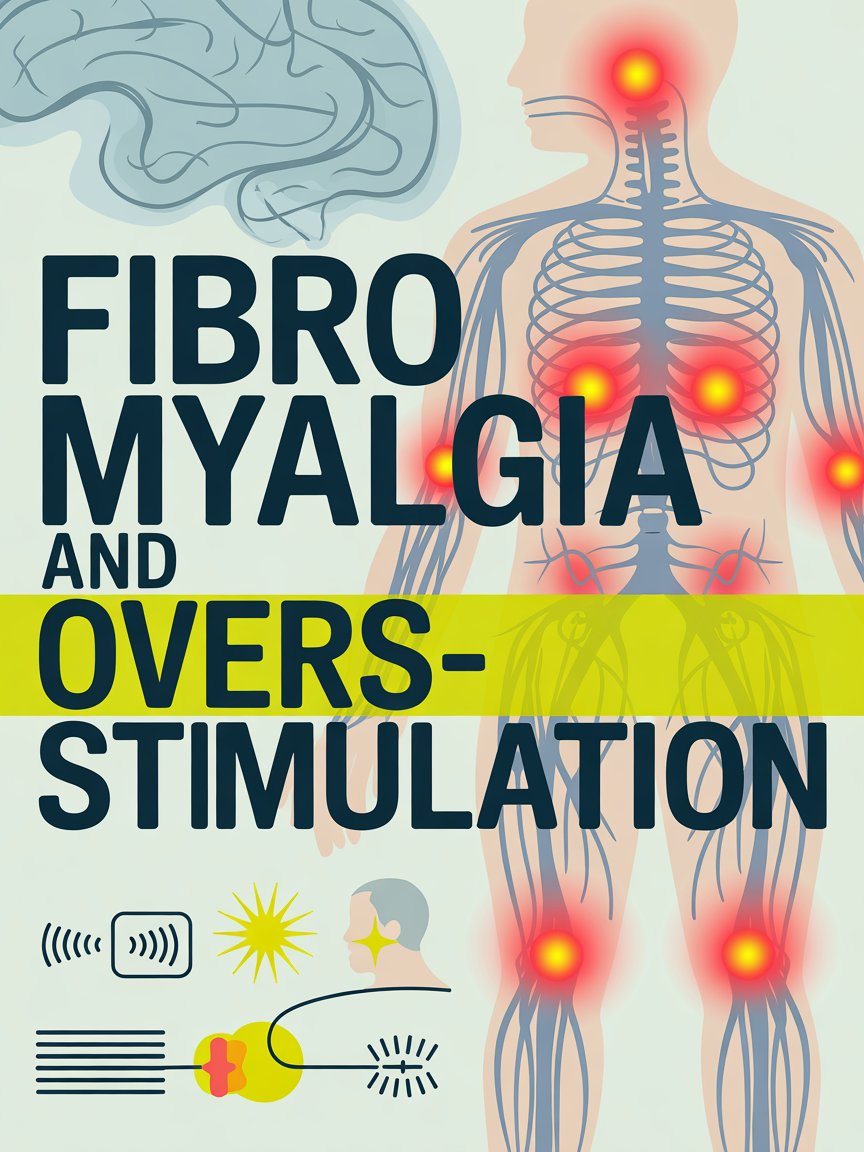
  • Fibromyalgia and Overstimulation

    Fibromyalgia and Overstimulation

    1. Understanding Overstimulation in Fibromyalgia

    Fibromyalgia is a chronic condition that affects how the body processes pain and sensory signals. Many people with fibromyalgia experience overstimulation, where everyday sights, sounds, or sensations feel overwhelming. This heightened sensitivity can make normal environments feel exhausting or uncomfortable.

    2. What Overstimulation Means

    Overstimulation occurs when the brain receives more sensory input than it can comfortably process. This may include loud noises, bright lights, strong smells, or crowded places. For fibromyalgia patients, the nervous system may react more strongly to these stimuli.

    3. The Role of the Nervous System

    Fibromyalgia is closely linked to changes in how the central nervous system processes sensory information. The brain may amplify signals that would normally be mild or manageable. As a result, ordinary sensory experiences can feel intense and overwhelming.

    4. Common Triggers of Overstimulation

    Many factors can trigger overstimulation in people with fibromyalgia. Loud environments, busy public spaces, flashing lights, and strong scents are common triggers. Even prolonged conversations or multitasking may sometimes lead to mental overload.

    5. Sensory Sensitivity and Pain

    Overstimulation does not only affect emotions or concentration; it can also increase physical pain. When the nervous system becomes overloaded, muscle tension and fatigue may worsen. This can lead to a fibromyalgia flare-up.

    6. Mental Fatigue and Brain Fog

    Overstimulation often contributes to mental fatigue and difficulty concentrating. Many individuals with fibromyalgia experience “brain fog,” which includes memory problems and slower thinking. Sensory overload can make these symptoms more noticeable.

    7. Emotional Effects of Overstimulation

    Constant sensory input can also affect emotional well-being. Feeling overwhelmed by noise or activity may cause irritability, anxiety, or frustration. Over time, this emotional strain can add to the challenges of living with fibromyalgia.

    8. Recognizing Early Signs of Overload

    Recognizing early signs of overstimulation can help prevent symptoms from worsening. Signs may include increased irritability, headaches, fatigue, or difficulty focusing. Identifying these signals early allows individuals to take a break before symptoms intensify.

    9. Creating a Calm Environment

    A calm and quiet environment can help reduce sensory overload. Soft lighting, minimal noise, and comfortable surroundings can make daily activities more manageable. Many fibromyalgia patients benefit from having a peaceful space to relax.

    10. Taking Regular Breaks

    Taking short breaks during busy or stimulating activities can help prevent sensory overload. Resting in a quiet space allows the nervous system to recover. Even a few minutes of calm can make a noticeable difference.

    11. Practicing Relaxation Techniques

    Relaxation techniques can help calm the nervous system and reduce overstimulation. Activities such as deep breathing, meditation, or gentle stretching can lower stress levels. These practices support both mental and physical relaxation.

    12. Managing Daily Activities

    Planning daily activities carefully can help reduce overstimulation. Avoiding overly busy schedules and allowing time for rest can prevent sensory overload. Balanced routines help maintain energy throughout the day.

    13. Communicating Personal Limits

    It is important for fibromyalgia patients to communicate their limits with family, friends, and coworkers. Explaining the effects of overstimulation can help others understand the need for quieter environments or breaks. Supportive communication can reduce stress.

    14. Building Healthy Coping Strategies

    Developing coping strategies helps individuals manage overstimulation more effectively. Listening to calming music, spending time in nature, or practicing mindfulness can help restore balance. Personal coping methods may vary from person to person.

    15. Managing Overstimulation for Better Well-Being

    Although overstimulation can be challenging for people with fibromyalgia, it can be managed with awareness and lifestyle adjustments. Creating calm environments, pacing activities, and practicing relaxation techniques can help reduce sensory overload. With the right strategies, individuals with fibromyalgia can maintain greater comfort and balance in their daily lives.

  • Fibromyalgia and Joint Pain

    Fibromyalgia and Joint Pain

    1. Understanding Fibromyalgia and Joint Pain

    Fibromyalgia is a chronic condition that causes widespread pain throughout the body. While fibromyalgia is mainly known for muscle pain and tenderness, many people also experience joint pain. This discomfort can affect daily activities and overall quality of life.

    2. How Fibromyalgia Affects Pain Perception

    Fibromyalgia affects how the brain and nervous system process pain signals. The body becomes more sensitive to pain, a condition often called heightened pain sensitivity. Because of this, normal sensations in joints may feel more painful than they actually are.

    3. Common Joints Affected

    People with fibromyalgia often report pain in several joints, including the knees, shoulders, hips, elbows, and wrists. The discomfort may move from one joint to another. This shifting pain pattern is common in fibromyalgia.

    4. Difference Between Joint Pain and Joint Damage

    Unlike conditions such as arthritis, fibromyalgia does not usually cause damage or inflammation in the joints themselves. The pain comes from how the nervous system processes signals rather than structural joint problems. This is why imaging tests often appear normal.

    5. Joint Stiffness and Morning Discomfort

    Many fibromyalgia patients experience stiffness in their joints, especially in the morning. This stiffness can make it difficult to move comfortably after waking up. Gentle movement and stretching often help reduce this discomfort.

    6. The Role of Muscle Tension

    Muscle tension surrounding the joints can contribute to joint pain in fibromyalgia. Tight muscles may place extra pressure on nearby joints. Relaxing muscles can help reduce the strain on these areas.

    7. Fatigue and Its Impact on Joint Pain

    Fatigue is another major symptom of fibromyalgia. When the body is constantly tired, muscles and joints may feel weaker and more sensitive. This can make joint pain feel more noticeable throughout the day.

    8. Weather Changes and Joint Sensitivity

    Some people with fibromyalgia notice that their joint pain worsens during weather changes. Cold temperatures, humidity, or sudden shifts in weather can increase stiffness and discomfort. This sensitivity can make certain seasons more challenging.

    9. Importance of Gentle Movement

    Staying active is important for maintaining joint flexibility. Low-impact exercises such as walking, stretching, or swimming can help keep joints mobile. Regular movement may reduce stiffness and improve overall comfort.

    10. Using Heat for Joint Relief

    Heat therapy can be helpful for relieving joint pain. Warm baths, heating pads, or warm compresses can relax muscles and improve circulation around joints. Many fibromyalgia patients find warmth soothing for painful areas.

    11. Maintaining Good Posture

    Poor posture can put extra pressure on joints and increase discomfort. Maintaining proper posture while sitting, standing, or working can help reduce strain. Supportive chairs and ergonomic workspaces can also be beneficial.

    12. Managing Stress to Reduce Pain

    Stress can intensify fibromyalgia symptoms, including joint pain. When stress levels rise, muscles tend to tighten and increase discomfort. Relaxation techniques such as meditation or deep breathing may help manage stress.

    13. Healthy Lifestyle Habits

    Healthy habits can support joint health and overall well-being. Balanced nutrition, regular sleep, and gentle physical activity can all help reduce fibromyalgia symptoms. These habits also improve energy levels and resilience.

    14. When to Seek Medical Advice

    If joint pain becomes severe or changes suddenly, it is important to consult a healthcare professional. Doctors can rule out other conditions that may cause joint damage. Proper evaluation ensures the correct treatment approach.

    15. Managing Joint Pain in Daily Life

    Although fibromyalgia-related joint pain can be challenging, many strategies can help manage it. Regular movement, stress management, and healthy routines can reduce discomfort over time. With proper care and awareness, individuals with fibromyalgia can maintain a more comfortable and active lifestyle.