Blog

  • How to Explain Fibromyalgia to Friends

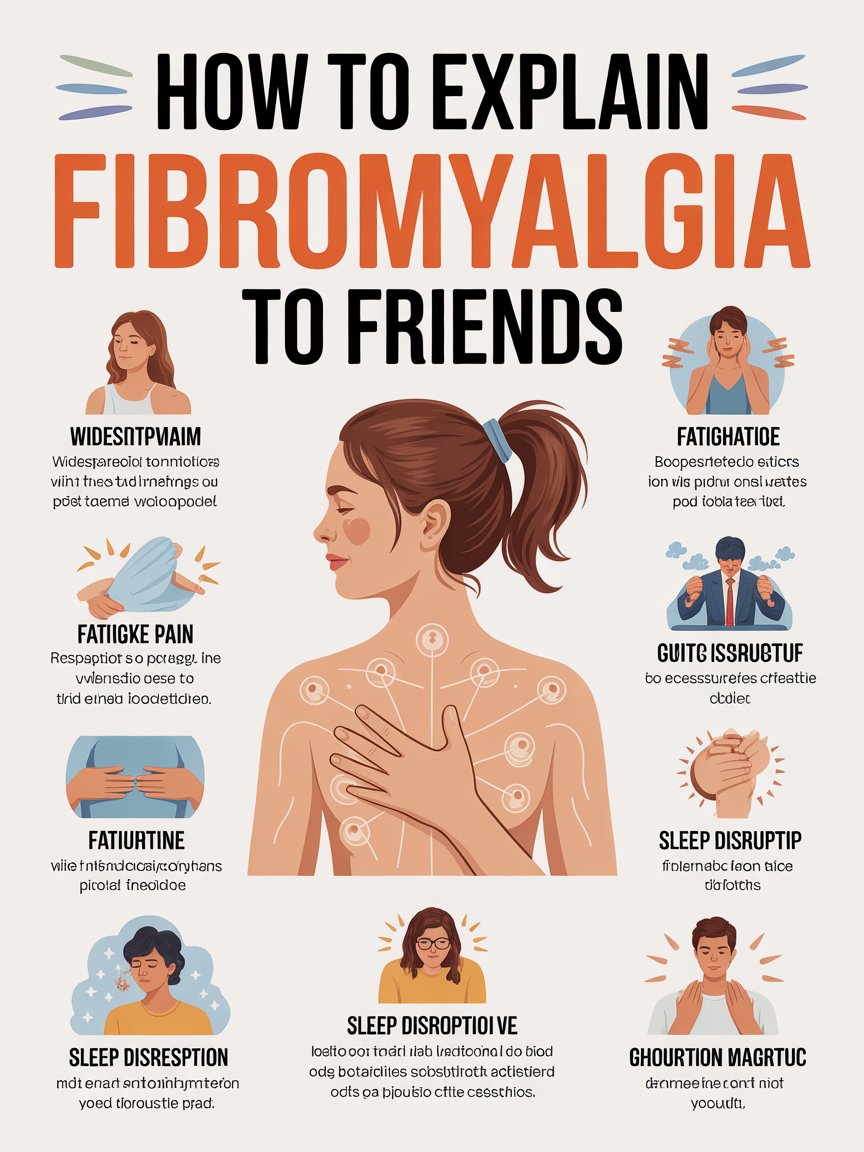
    How to Explain Fibromyalgia to Friends

    How to Explain Fibromyalgia to Friends

    1. Start With a Simple Definition

    When explaining fibromyalgia to friends, begin with a clear and simple description. Fibromyalgia is a long-term condition that causes widespread pain, fatigue, sleep problems, and cognitive difficulties. Keeping the definition straightforward helps prevent confusion and sets the foundation for deeper understanding.

    2. Describe the Pain in Relatable Terms

    Many people struggle to understand invisible pain. You might explain that fibromyalgia pain can feel like a constant flu-like ache, muscle soreness after intense exercise, or deep nerve discomfort. Comparing it to experiences they may have had makes it more relatable.

    3. Explain That It’s More Than Just Pain

    Fibromyalgia affects more than muscles and joints. It often includes extreme fatigue, headaches, digestive issues, and “brain fog.” Let your friends know that the condition impacts both body and mind, sometimes making simple tasks feel overwhelming.

    4. Talk About Fatigue Honestly

    Fatigue in fibromyalgia is not the same as being tired after a long day. It can feel like waking up without having slept at all. Explaining this difference helps friends understand why you may cancel plans or need extra rest.

    5. Discuss Brain Fog Clearly

    Cognitive difficulties, often called brain fog, can cause forgetfulness and trouble concentrating. You might explain it as feeling mentally slowed down or distracted. Sharing specific examples can make this symptom easier to understand.

    6. Address Misconceptions Directly

    Some people mistakenly believe fibromyalgia is “just stress” or “all in the head.” Gently clarify that it is a recognized medical condition involving how the nervous system processes pain signals. Addressing myths calmly builds awareness and respect.

    7. Explain Flare-Ups

    Fibromyalgia symptoms often come and go in waves called flare-ups. During a flare, pain and fatigue may intensify without obvious warning. Let your friends know that unpredictability is part of the condition.

    8. Share How It Affects Daily Life

    Explain how fibromyalgia influences your routine. You may need to pace activities, take breaks, or avoid certain triggers. Giving real-life examples helps friends see the practical impact on your day-to-day life.

    9. Use Emotional Honesty

    It’s okay to share how fibromyalgia makes you feel emotionally. Chronic pain can lead to frustration, sadness, or anxiety. Being open can strengthen understanding and deepen friendships.

    10. Ask for Specific Support

    Friends often want to help but don’t know how. Be clear about what support looks like for you, whether it’s flexible plans, patience, or simply listening. Clear communication prevents misunderstandings.

    11. Encourage Questions

    Inviting respectful questions shows you are open to conversation. It also gives friends a chance to clarify what they don’t understand. This creates a two-way dialogue instead of a one-sided explanation.

    12. Set Healthy Boundaries

    Explaining fibromyalgia also means setting limits. You may need to say no to late nights or physically demanding activities. Boundaries protect your health and help others respect your needs.

    13. Provide Reliable Resources

    If your friends want to learn more, suggest credible health websites or educational materials. Reliable information reinforces what you’ve shared and reduces misinformation.

    14. Be Patient With Understanding

    Not everyone will fully grasp what living with fibromyalgia feels like. Understanding often develops over time through observation and conversation. Patience can help relationships grow stronger.

    15. Focus on Maintaining Connection

    While fibromyalgia presents challenges, it does not define who you are. Remind your friends that you are still the same person, simply managing a chronic condition. Honest communication, compassion, and mutual respect can help friendships thrive despite health limitations.

  • Fibromyalgia and Sensitivity to Light and Sound

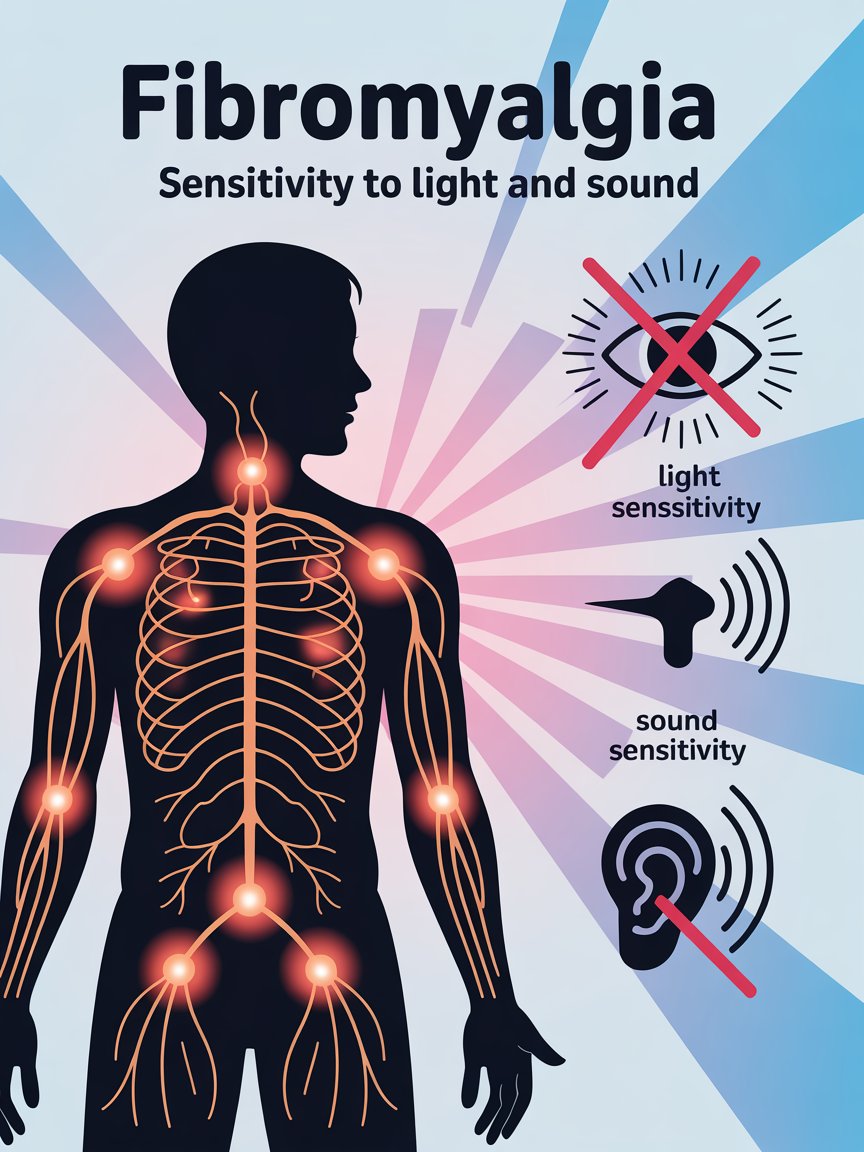
    Fibromyalgia and Sensitivity to Light and Sound

    Fibromyalgia and Sensitivity to Light and Sound

    1. Understanding Sensory Sensitivity in Fibromyalgia

    Fibromyalgia is commonly associated with widespread pain and fatigue, but many individuals also experience heightened sensitivity to light and sound. These sensory symptoms can make daily activities more difficult and draining. Recognizing this aspect of fibromyalgia is essential for better symptom management.

    2. What Is Sensory Amplification?

    People with fibromyalgia often experience sensory amplification, where the brain processes normal stimuli as intense or uncomfortable. This means ordinary brightness or background noise may feel overwhelming. The nervous system reacts more strongly than expected.

    3. The Science Behind Central Sensitization

    Fibromyalgia is linked to central sensitization, a condition in which the central nervous system becomes overly reactive. The brain not only amplifies pain signals but also enhances responses to sensory input. As a result, light and sound can feel unusually sharp or distressing.

    4. Light Sensitivity (Photophobia)

    Many individuals report discomfort from bright sunlight, fluorescent lights, or digital screens. This condition, known as photophobia, can trigger headaches or increase fatigue. Even indoor lighting may need adjustment for comfort.

    5. Sound Sensitivity (Hyperacusis)

    Hyperacusis refers to an increased sensitivity to everyday sounds. Normal conversations, traffic noise, or background music may feel piercing or distracting. Busy environments can quickly lead to sensory overload.

    6. The Link Between Fibromyalgia and Migraines

    There is a notable overlap between fibromyalgia and migraines. Migraines frequently include sensitivity to light and sound, suggesting shared neurological pathways. This overlap may intensify symptoms for some individuals.

    7. How Sensory Sensitivity Affects Daily Life

    Sensitivity to light and sound can impact work, social events, and even household tasks. Offices with bright overhead lights or loud coworkers may become exhausting. Simple errands in crowded areas can feel overwhelming.

    8. Emotional and Psychological Impact

    Constant exposure to uncomfortable stimuli may increase irritability and anxiety. Over time, individuals may begin avoiding certain environments. This can lead to feelings of isolation or frustration.

    9. Sleep Disruptions Caused by Sensory Input

    People with fibromyalgia often struggle with poor sleep quality. Even minor nighttime noises or light from electronic devices can interrupt rest. This worsens fatigue and may intensify pain the following day.

    10. Practical Ways to Manage Light Sensitivity

    Adjusting lighting at home is a helpful first step. Using warm, dim lighting, installing blackout curtains, and applying screen filters can reduce strain. Wearing sunglasses outdoors may also provide relief.

    11. Strategies for Coping With Sound Sensitivity

    Noise-canceling headphones, earplugs, or white noise machines can help minimize auditory stress. Scheduling quiet time during the day prevents overload. Choosing calm environments when possible makes a significant difference.

    12. Stress Reduction and Nervous System Support

    Relaxation techniques such as deep breathing, meditation, and gentle stretching may calm the nervous system. Reducing overall stress can lessen the intensity of sensory reactions. Consistent practice is important for long-term benefit.

    13. Medical and Therapeutic Support

    Healthcare providers may suggest medications that help regulate nerve sensitivity. Cognitive behavioral therapy (CBT) can assist in managing reactions to triggers. Professional guidance ensures a safe and personalized approach.

    14. Tracking Triggers for Better Control

    Keeping a symptom journal helps identify patterns related to light and sound exposure. Recording time, environment, and symptom intensity provides useful insight. This information supports better planning and prevention.

    15. Creating a Sensory-Friendly Lifestyle

    Living with fibromyalgia and sensory sensitivity requires thoughtful adjustments. By modifying environments, managing stress, and seeking support, individuals can improve comfort and function. With awareness and proactive strategies, it is possible to reduce the impact of light and sound sensitivity on daily life.

  • Heat Therapy for Fibromyalgia Relief

    Heat Therapy for Fibromyalgia Relief

    Heat Therapy for Fibromyalgia Relief

    Living with fibromyalgia often means managing persistent muscle pain, stiffness, and fatigue. Among the many self-care strategies available, heat therapy stands out as one of the simplest and most effective tools for relief. Applying warmth to sore areas can help relax muscles, improve circulation, and reduce discomfort without medication.

    This guide explains how heat therapy works and how to use it safely for fibromyalgia relief.


    1. Why Heat Helps Fibromyalgia Pain

    Fibromyalgia pain is linked to heightened sensitivity in the nervous system. When muscles become tense or stiff, pain can intensify.

    Heat helps by relaxing tight muscles and calming nerve signals. The soothing sensation can reduce the perception of pain and promote comfort.


    2. How Heat Improves Blood Flow

    Warmth causes blood vessels to expand, increasing circulation to affected areas. Improved blood flow delivers oxygen and nutrients to muscles.

    This process can reduce stiffness and help the body recover from minor strains or daily tension.


    3. Easing Morning Stiffness

    Many people with fibromyalgia wake up feeling stiff and achy. Applying heat in the morning can make movement easier.

    A warm shower or heating pad before starting the day can gently loosen muscles and improve flexibility.


    4. Heating Pads for Targeted Relief

    Electric or microwaveable heating pads provide direct warmth to specific areas like the neck, shoulders, or lower back.

    Use moderate heat for 15–20 minutes at a time. Avoid falling asleep with a heating pad to prevent burns.


    5. Warm Baths and Soaks

    Soaking in a warm bath can provide full-body relief. The combination of heat and buoyancy helps relax muscles and reduce pressure on joints.

    Adding Epsom salts may enhance relaxation, though individual experiences vary.


    6. Heated Blankets for Whole-Body Comfort

    Heated blankets are helpful during colder months when symptoms may worsen.

    They offer gentle, consistent warmth that can ease widespread discomfort while resting.


    7. Moist Heat vs. Dry Heat

    Moist heat, such as warm towels or steam, may penetrate tissues more deeply than dry heat.

    Both methods can be effective, so personal preference and comfort should guide your choice.


    8. Heat Before Gentle Exercise

    Applying heat before stretching or light activity can prepare muscles for movement.

    Warm muscles are more flexible and less prone to strain, making exercise sessions more comfortable.


    9. Reducing Stress With Warmth

    Stress often worsens fibromyalgia symptoms. Heat therapy encourages relaxation and can calm the nervous system.

    Taking time for a warm bath or shower may serve as both physical and emotional self-care.


    10. Managing Sleep Disturbances

    Sleep problems are common in fibromyalgia. A warm bath before bedtime can help signal the body to relax.

    As body temperature gradually cools after bathing, it may promote deeper, more restful sleep.


    11. When to Use Heat Carefully

    Although heat is generally safe, it should not be used on areas with swelling, open wounds, or reduced sensation.

    Always test the temperature before applying heat to avoid burns or skin irritation.


    12. Combining Heat With Other Therapies

    Heat therapy works well alongside other treatments such as gentle stretching, massage, or relaxation exercises.

    A comprehensive approach often provides better symptom control than relying on a single method.


    13. Using Portable Heat Options

    Portable heat wraps and patches allow relief while staying active.

    These options can be helpful for managing discomfort during work or travel.


    14. Recognizing Personal Triggers

    Some individuals may find that extreme heat aggravates fatigue. Monitoring how your body responds is important.

    Adjust temperature and duration based on comfort levels.


    15. Making Heat Therapy Part of Your Routine

    Consistency can maximize benefits. Incorporating heat therapy into your daily or weekly routine may help stabilize symptoms.

    Whether it’s a morning shower, evening bath, or heating pad session, regular use can contribute to ongoing comfort and relaxation.

  • Fibromyalgia and Exercise: Safe Start Guide

    Fibromyalgia and Exercise: Safe Start Guide

    1. Why Exercise Matters in Fibromyalgia

    Fibromyalgia affects how the nervous system processes pain, a phenomenon known as central sensitization. Regular movement can help regulate pain signals and improve overall function.

    Exercise also boosts circulation, strengthens muscles, and enhances mood by releasing endorphins—natural pain-relieving chemicals.


    2. Overcoming Fear of Movement

    Many people avoid exercise because they fear worsening pain. This fear is understandable, especially after experiencing flare-ups.

    The goal is not intense workouts but gentle consistency. When done properly, movement reduces stiffness and improves long-term pain control.


    3. Consult Your Healthcare Provider First

    Before starting any new routine, discuss your plans with a healthcare professional. They can help rule out other conditions and recommend safe activity levels.

    In some cases, referral to a physical therapist can provide personalized guidance.


    4. Start Slow and Low-Impact

    High-intensity workouts are not recommended at the beginning. Instead, focus on low-impact options such as walking, stationary cycling, or light swimming.

    Even five to ten minutes per session can be beneficial when starting out.


    5. Walking as a Safe First Step

    Walking is one of the simplest and safest exercises for fibromyalgia. It improves cardiovascular health without placing excessive strain on joints.

    Begin with short distances at a comfortable pace, gradually increasing duration as tolerated.


    6. Gentle Stretching for Flexibility

    Stretching helps reduce muscle tension and improve mobility. Slow, controlled stretches can ease morning stiffness.

    Focus on major muscle groups and avoid bouncing or forcing movements beyond your comfort level.


    7. The Benefits of Water-Based Exercise

    Warm-water therapy pools can be especially soothing. The buoyancy of water reduces joint stress while allowing gentle strengthening.

    Many individuals with fibromyalgia find aquatic exercise less painful than land-based workouts.


    8. Yoga and Tai Chi for Mind-Body Balance

    Mind-body exercises combine gentle movement with deep breathing and relaxation. Practices like yoga and tai chi may reduce stress and improve balance.

    These approaches also support flexibility and body awareness.


    9. Strength Training—Carefully Introduced

    Light resistance training can help maintain muscle strength. Start with very light weights or resistance bands.

    Perform fewer repetitions and allow extra rest between sets to prevent overexertion.


    10. Understanding Pacing

    Pacing is crucial when exercising with fibromyalgia. Avoid the “push and crash” cycle, where overdoing activity leads to severe fatigue the next day.

    Increase intensity or duration slowly—typically no more than 10% per week.


    11. Listening to Your Body

    Mild soreness is normal when starting a new routine, but sharp or severe pain is not.

    Pay attention to warning signs and adjust accordingly. Rest days are an important part of recovery.


    12. Managing Flare-Ups

    Flare-ups may still occur despite careful planning. During these times, reduce intensity but try not to stop moving entirely.

    Gentle stretching or short walks can prevent stiffness from worsening.


    13. Staying Consistent

    Consistency matters more than intensity. Regular short sessions are more beneficial than occasional long workouts.

    Create a simple weekly schedule that fits your energy levels.


    14. Tracking Your Progress

    Keeping a journal of your activity and symptoms can help identify patterns. Noting improvements in energy, mood, or flexibility can be motivating.

    Progress may be gradual, but small gains add up over time.


    15. Celebrating Small Wins

    Exercising with fibromyalgia requires patience and resilience. Completing even a brief session is an achievement.

    By starting slowly, pacing yourself, and choosing supportive activities, exercise can become a powerful tool in managing fibromyalgia symptoms safely and effectively.

  • Coping With a Fibromyalgia Diagnosis

    Coping With a Fibromyalgia Diagnosis

    Coping With a Fibromyalgia Diagnosis

    Receiving a fibromyalgia diagnosis can bring a mix of emotions—relief, confusion, fear, and even frustration. After months or years of unexplained symptoms, finally having a name for your condition can feel validating. At the same time, knowing that fibromyalgia is a chronic condition may feel overwhelming. Learning how to cope emotionally and practically is an important step toward living well.


    1. Understanding What Fibromyalgia Is

    Fibromyalgia is a chronic condition characterized by widespread pain, fatigue, sleep disturbances, and cognitive difficulties. It affects how the brain and nervous system process pain signals.

    Recognizing that fibromyalgia is a real and medically acknowledged condition can help ease doubts or self-blame that often follow diagnosis.


    2. Allowing Yourself to Process Emotions

    It is normal to experience grief after a chronic illness diagnosis. You may mourn the loss of your previous energy levels or lifestyle.

    Giving yourself permission to feel sadness, anger, or uncertainty is part of the healing process. Emotional acceptance takes time.


    3. Educating Yourself About the Condition

    Knowledge can reduce fear. Learning about fibromyalgia from reliable sources helps you understand what to expect.

    Understanding concepts like central sensitization empowers you to make informed decisions about treatment and self-care.


    4. Building a Support System

    Sharing your diagnosis with trusted family members and friends can reduce feelings of isolation.

    Consider joining support groups—either in person or online—where others living with fibromyalgia share coping strategies and encouragement.


    5. Working Closely With Healthcare Providers

    Developing a good relationship with your healthcare provider is essential. Open communication ensures your concerns are heard and addressed.

    Treatment plans may include medication, physical therapy, counseling, or lifestyle adjustments tailored to your needs.


    6. Setting Realistic Expectations

    Fibromyalgia symptoms often fluctuate. Some days will feel manageable, while others may be more difficult.

    Setting realistic goals helps prevent disappointment and reduces the “push and crash” cycle that can worsen symptoms.


    7. Prioritizing Rest and Sleep

    Quality sleep is crucial for symptom management. Establishing consistent bedtime routines and creating a calming sleep environment can improve rest.

    Better sleep may help reduce pain intensity and daytime fatigue.


    8. Practicing Gentle Movement

    Although it may seem counterintuitive, light physical activity can help manage symptoms.

    Low-impact exercises such as walking, stretching, or yoga can improve flexibility and boost mood when done gradually.


    9. Managing Stress Effectively

    Stress is a known trigger for fibromyalgia flare-ups. Incorporating stress-reduction techniques like deep breathing, meditation, or journaling can make a difference.

    Small daily relaxation practices can improve both emotional and physical well-being.


    10. Addressing Mental Health

    Living with chronic pain can increase the risk of anxiety or depression. Seeking counseling or therapy can provide valuable coping tools.

    Mental health support is not a sign of weakness—it is an important part of comprehensive care.


    11. Adjusting Daily Routines

    You may need to modify your daily activities to conserve energy. Breaking tasks into smaller steps and scheduling rest periods can prevent exhaustion.

    Learning to pace yourself allows you to remain productive without triggering severe flare-ups.


    12. Communicating Your Needs

    Explaining fibromyalgia to others may feel challenging. Clear communication about your limitations and needs can reduce misunderstandings.

    Advocating for yourself at work or home is part of managing the condition effectively.


    13. Focusing on Nutrition and Hydration

    A balanced diet supports overall health and energy levels. Staying hydrated and eating whole, nutrient-dense foods can contribute to better symptom control.

    While no specific diet cures fibromyalgia, healthy habits support your body’s resilience.


    14. Celebrating Small Achievements

    Chronic illness often requires redefining success. Completing daily tasks, attending appointments, or practicing self-care are meaningful accomplishments.

    Recognizing progress builds confidence and encourages continued effort.


    15. Embracing a Long-Term Perspective

    Coping with fibromyalgia is an ongoing journey. Symptoms may change over time, but many people find effective strategies that significantly improve their quality of life.

    With education, support, and consistent self-care, living well with fibromyalgia is possible. Acceptance does not mean giving up—it means adapting with strength, patience, and compassion toward yourself.

  • Fibromyalgia Myths vs Facts

    Fibromyalgia Myths vs Facts

    1. Myth: Fibromyalgia Is “All in Your Head”

    One of the most harmful myths is that fibromyalgia is purely psychological. Because routine lab tests and imaging scans often appear normal, some assume the pain is imaginary.

    Fact: Fibromyalgia is recognized as a legitimate medical condition by major health organizations. It involves changes in how the brain and nervous system process pain signals, often referred to as central sensitization.


    2. Myth: It’s Just Normal Muscle Pain

    Some believe fibromyalgia is simply everyday aches and pains exaggerated.

    Fact: Fibromyalgia pain is widespread, persistent, and often accompanied by fatigue, sleep problems, and cognitive difficulties. It is far more complex than occasional muscle soreness.


    3. Myth: Only Women Get Fibromyalgia

    While more women are diagnosed, this has led to the misconception that men cannot develop the condition.

    Fact: Fibromyalgia affects people of all genders. Men may be underdiagnosed due to stigma or differences in how symptoms are reported.


    4. Myth: Fibromyalgia Causes Joint Damage

    Because pain can feel similar to arthritis, some assume it damages joints or muscles.

    Fact: Unlike conditions such as Rheumatoid arthritis, fibromyalgia does not cause inflammation or structural damage to joints. The pain comes from altered pain processing, not tissue destruction.


    5. Myth: There’s a Simple Cure

    People often search for a quick fix, believing a single medication or supplement can eliminate symptoms.

    Fact: There is currently no cure for fibromyalgia. Management typically involves a combination of lifestyle adjustments, stress reduction, gentle exercise, and sometimes medication.


    6. Myth: Exercise Makes It Worse

    Because movement can initially increase discomfort, some believe exercise should be avoided entirely.

    Fact: Gentle, low-impact exercise is one of the most recommended treatments. Activities like walking, stretching, and swimming can reduce stiffness and improve overall well-being when done gradually.


    7. Myth: It’s Rare

    Some assume fibromyalgia is uncommon or exaggerated in media discussions.

    Fact: Fibromyalgia affects millions of people worldwide. Increased awareness has helped improve diagnosis rates, but many cases still go unrecognized.


    8. Myth: It’s the Same as Chronic Fatigue Syndrome

    Fibromyalgia is sometimes confused with Chronic fatigue syndrome (also known as ME/CFS).

    Fact: While both conditions share symptoms like fatigue and brain fog, fibromyalgia is primarily defined by widespread pain. They are distinct but may overlap in some individuals.


    9. Myth: People With Fibromyalgia Are Lazy

    Fatigue and flare-ups can make daily tasks difficult, leading to unfair judgments.

    Fact: The exhaustion associated with fibromyalgia is profound and not relieved by simple rest. Most individuals push themselves to function despite significant discomfort.


    10. Myth: It’s Caused by Depression

    Because fibromyalgia often coexists with mood disorders, some believe depression causes it.

    Fact: While depression and anxiety can occur alongside fibromyalgia, they do not cause the condition. Instead, chronic pain and sleep disruption may increase the risk of mood challenges.


    11. Myth: Normal Test Results Mean Nothing Is Wrong

    Standard blood tests usually appear normal in fibromyalgia.

    Fact: Fibromyalgia is diagnosed based on symptoms and medical history, not laboratory abnormalities. The absence of abnormal test results does not invalidate the pain.


    12. Myth: It Only Affects Pain

    Many people think fibromyalgia is solely about muscle aches.

    Fact: Fibromyalgia can also involve sleep disturbances, digestive issues, headaches, sensitivity to light or sound, and cognitive difficulties often referred to as “fibro fog.”


    13. Myth: Medication Alone Is Enough

    Some expect medication to fully control symptoms without other changes.

    Fact: A comprehensive approach—including stress management, balanced nutrition, sleep hygiene, and pacing activities—is typically more effective than relying on medication alone.


    14. Myth: It’s a Temporary Condition

    There is a belief that fibromyalgia will simply go away over time.

    Fact: Fibromyalgia is considered a long-term condition. However, symptoms can improve significantly with proper management and lifestyle adjustments.


    15. Myth: People With Fibromyalgia Exaggerate Their Symptoms

    Because symptoms fluctuate, others may misunderstand good days as proof that the illness is not serious.

    Fact: Flare-ups and symptom variability are normal features of fibromyalgia. Good days do not mean the condition has disappeared; they reflect the unpredictable nature of the disorder.

  • Why Fibromyalgia Pain Moves Around

    Why Fibromyalgia Pain Moves Around

    Why Fibromyalgia Pain Moves Around

    Fibromyalgia is known for causing widespread pain that can shift from one area of the body to another. Many people living with this condition often say, “Yesterday it was my shoulders, today it’s my legs.” This moving pain pattern can feel confusing and frustrating. Understanding why fibromyalgia pain moves around can help individuals feel more in control of their symptoms.


    1. Understanding Widespread Pain

    Unlike localized injuries, fibromyalgia pain is not limited to one joint or muscle. It affects multiple areas of the body simultaneously or in shifting patterns.

    This is because fibromyalgia is considered a disorder of pain processing rather than a condition caused by tissue damage.


    2. The Role of the Central Nervous System

    Fibromyalgia primarily involves the central nervous system. The brain and spinal cord become more sensitive to pain signals, a process often referred to as central sensitization.

    When the nervous system is hypersensitive, even mild stimuli can feel painful, and the location of discomfort may change frequently.


    3. Central Sensitization Explained

    Central sensitization means the body amplifies pain signals. Instead of pain staying in one injured area, the brain may misinterpret signals from different regions.

    As a result, pain may appear in one body part one day and shift elsewhere the next.


    4. Abnormal Pain Signal Processing

    In fibromyalgia, the brain processes pain signals differently compared to people without the condition. Normal sensations, such as light pressure, may feel painful.

    Because this abnormal processing occurs throughout the nervous system, pain does not remain fixed in one location.


    5. Muscle Tension and Trigger Points

    Muscle tightness and tender points are common in fibromyalgia. These areas may become more sensitive depending on stress, activity, or posture.

    When certain muscles are overused or strained, pain may flare in that region before shifting to another area under stress.


    6. Stress as a Pain Trigger

    Emotional and physical stress can significantly impact fibromyalgia symptoms. Stress activates the body’s fight-or-flight response, increasing muscle tension and nervous system sensitivity.

    During stressful periods, pain may intensify or move to different areas of the body.


    7. The Impact of Sleep Disturbances

    Poor sleep is strongly linked to increased pain sensitivity. When restorative sleep is disrupted, the body struggles to regulate pain signals properly.

    As sleep quality changes, pain patterns may also shift.


    8. Weather Sensitivity

    Many people with fibromyalgia report that weather changes affect their symptoms. Cold, damp, or rapidly changing weather conditions may increase stiffness and discomfort.

    This sensitivity can cause pain to flare in different body regions depending on environmental conditions.


    9. Physical Activity and Overexertion

    Overdoing physical activity can trigger flare-ups. When certain muscle groups are overworked, pain may temporarily concentrate in those areas.

    Later, as the body compensates, discomfort may spread or move to other muscles.


    10. Nerve Pathway Sensitivity

    The nervous system in fibromyalgia remains on high alert. Because pain pathways are constantly sensitized, signals from various parts of the body may be amplified at different times.

    This heightened sensitivity contributes to the unpredictable nature of moving pain.


    11. Hormonal Influences

    Hormonal fluctuations may influence pain perception. Changes in stress hormones or other regulatory hormones can affect how the brain processes discomfort.

    These shifts may partly explain why pain patterns change over time.


    12. Inflammation and Micro-Responses

    Although fibromyalgia is not primarily inflammatory, minor inflammatory responses from daily activities may still contribute to temporary pain shifts.

    Small strains or repetitive movements can make one area more sensitive for a short period.


    13. Psychological and Emotional Factors

    Anxiety, depression, and emotional stress can intensify fibromyalgia symptoms. Emotional distress often manifests physically in the body.

    As emotional states change, pain may appear in new or different areas.


    14. The Unpredictable Nature of Fibromyalgia

    One of the most challenging aspects of fibromyalgia is its unpredictability. Pain can vary in intensity, location, and duration without a clear physical cause.

    Recognizing that moving pain is a common characteristic of the condition can reduce fear and uncertainty.


    15. Managing Moving Pain Effectively

    Although moving pain cannot always be prevented, it can be managed. Gentle exercise, stress reduction, proper sleep, pacing activities, and heat therapy may help stabilize symptoms.

    Working with healthcare providers to develop a comprehensive care plan can also improve pain control. Understanding why fibromyalgia pain moves around empowers individuals to respond with patience and informed self-care rather than frustration.

  • Fibromyalgia and Gut Health Connection

    Fibromyalgia and Gut Health Connection

    1. Understanding Fibromyalgia

    Fibromyalgia affects how the brain and nervous system process pain signals. People with this condition often experience heightened pain sensitivity, known as central sensitization.

    Beyond pain, symptoms frequently include fatigue, brain fog, anxiety, and poor sleep quality. These overlapping symptoms suggest that multiple body systems—including the digestive system—may be involved.


    2. The Role of the Gut Microbiome

    The gut microbiome consists of trillions of bacteria and microorganisms living in the digestive tract. These microbes play a vital role in digestion, immune regulation, and even mood balance.

    When the microbiome is balanced, it supports overall health. However, imbalances—often called dysbiosis—may contribute to inflammation, immune dysfunction, and increased pain sensitivity.


    3. Why Digestive Symptoms Are Common

    Many people with fibromyalgia also experience bloating, constipation, diarrhea, or abdominal discomfort. Conditions such as irritable bowel syndrome (IBS) frequently overlap with fibromyalgia.

    This overlap suggests a shared underlying mechanism involving the nervous system and gut-brain communication.


    4. The Gut-Brain Axis Explained

    The gut and brain are connected through a communication network called the gut-brain axis. This system involves nerves, hormones, and immune pathways that constantly send signals between the digestive tract and the central nervous system.

    When gut health is disrupted, it may influence mood, stress response, and pain perception.


    5. Inflammation and Immune Activation

    Although fibromyalgia is not classified as a classic inflammatory disease, low-grade inflammation may still contribute to symptoms.

    An unhealthy gut can increase intestinal permeability, sometimes referred to as “leaky gut,” allowing inflammatory substances to enter the bloodstream. This may worsen fatigue and pain in sensitive individuals.


    6. Serotonin Production in the Gut

    A significant portion of serotonin—a neurotransmitter involved in mood and pain regulation—is produced in the gut.

    If gut function is impaired, serotonin balance may be affected. This imbalance could contribute to depression, anxiety, and sleep disturbances commonly seen in fibromyalgia.


    7. Stress and Its Impact on Digestion

    Stress is a major trigger for fibromyalgia flare-ups, and it also directly affects digestive function.

    Chronic stress can alter gut bacteria, slow digestion, and increase gut sensitivity. This creates a cycle where stress worsens gut health, which may in turn intensify fibromyalgia symptoms.


    8. The Role of Diet

    Diet plays a key role in shaping the gut microbiome. Highly processed foods, excess sugar, and artificial additives may negatively affect gut bacteria.

    A diet rich in fiber, fruits, vegetables, and lean proteins may help promote a healthier gut environment and support overall symptom management.


    9. Probiotics and Prebiotics

    Probiotics are beneficial bacteria that can support gut balance, while prebiotics are fibers that feed those good bacteria.

    Some individuals with fibromyalgia report improvements in digestive comfort and even mood after introducing probiotic-rich foods or supplements.


    10. Food Sensitivities and Symptom Flares

    Certain foods may trigger digestive discomfort or inflammation in sensitive individuals. Common triggers include gluten, dairy, and highly processed foods.

    Keeping a food and symptom journal may help identify patterns and guide dietary adjustments.


    11. Antibiotic Use and Microbiome Changes

    Frequent or long-term antibiotic use can disrupt the balance of gut bacteria.

    While antibiotics are sometimes necessary, supporting gut health afterward with proper nutrition and probiotics may help restore balance.


    12. Sleep, Gut Health, and Pain

    Sleep disturbances are central to fibromyalgia, and poor sleep can negatively affect gut function.

    Research suggests that disrupted sleep patterns may alter the microbiome, potentially worsening inflammation and pain sensitivity.


    13. The Importance of Hydration

    Proper hydration supports digestion and helps maintain regular bowel movements.

    Dehydration may worsen fatigue and muscle pain, making it an important but often overlooked part of fibromyalgia self-care.


    14. Lifestyle Strategies to Support Gut Health

    Gentle exercise, stress management, adequate sleep, and balanced nutrition all support a healthy gut.

    Small daily habits—such as mindful eating, regular meal times, and relaxation techniques—can improve both digestive health and fibromyalgia symptoms over time.


    15. A Holistic Approach to Healing

    The connection between fibromyalgia and gut health highlights the importance of treating the body as an interconnected system.

    While improving gut health may not cure fibromyalgia, it can be a valuable part of a comprehensive care plan. Working with healthcare professionals to address digestive concerns may lead to better symptom control and improved quality of life.

  • Best Supplements for Fibromyalgia Support

    Best Supplements for Fibromyalgia Support

    Best Supplements for Fibromyalgia Support

    Fibromyalgia is a chronic condition characterized by widespread pain, fatigue, sleep disturbances, and cognitive difficulties. While there is no cure, many people explore supplements as part of a comprehensive management plan. Certain vitamins, minerals, and natural compounds may help reduce symptoms and improve overall well-being when used alongside medical care.

    Below is a detailed guide to some of the best supplements that may support people living with fibromyalgia.


    1. Vitamin D for Muscle and Immune Support

    Vitamin D plays a crucial role in bone health, muscle function, and immune regulation. Low vitamin D levels have been linked to increased musculoskeletal pain and fatigue.

    For individuals with fibromyalgia, correcting a deficiency may help reduce pain intensity and improve mood. Always test levels before supplementing, as excessive intake can cause complications.


    2. Magnesium for Muscle Relaxation

    Magnesium is essential for muscle relaxation and nerve function. Some research suggests that magnesium deficiency may contribute to muscle cramps and heightened pain sensitivity.

    Supplementing with magnesium—often in forms like magnesium citrate or glycinate—may help ease muscle stiffness and promote better sleep.


    3. Coenzyme Q10 for Energy Production

    Coenzyme Q10 (CoQ10) is a powerful antioxidant involved in cellular energy production. Since fatigue is a major symptom of fibromyalgia, improving mitochondrial function may offer benefits.

    Some small studies indicate that CoQ10 supplementation may reduce fatigue and pain levels in certain individuals.


    4. Omega-3 Fatty Acids for Inflammation

    Omega-3 fatty acids, commonly found in fish oil, support heart health and help regulate inflammation. Although fibromyalgia is not classified as an inflammatory condition, inflammation may still contribute to discomfort.

    Omega-3 supplements may help improve mood and reduce joint stiffness.


    5. B-Complex Vitamins for Nerve Health

    B vitamins, especially B12 and B6, are essential for nerve function and energy metabolism. Deficiencies can worsen fatigue and neurological symptoms.

    A balanced B-complex supplement may support cognitive clarity and reduce symptoms like brain fog.


    6. Melatonin for Better Sleep

    Sleep disturbances are common in fibromyalgia. Melatonin, a hormone that regulates the sleep-wake cycle, may help improve sleep quality.

    Better sleep can indirectly reduce pain sensitivity and improve daytime energy levels.


    7. 5-HTP for Mood and Pain Regulation

    5-Hydroxytryptophan (5-HTP) is a precursor to serotonin, a neurotransmitter involved in mood and pain perception.

    Some evidence suggests that 5-HTP supplementation may help improve sleep, reduce anxiety, and decrease pain intensity in certain individuals.


    8. SAM-e for Mood and Joint Comfort

    S-adenosyl-L-methionine (SAM-e) supports mood regulation and joint health. It has been studied for both depression and chronic pain conditions.

    Some people with fibromyalgia report improvements in pain and morning stiffness with SAM-e supplementation.


    9. Acetyl-L-Carnitine for Energy and Nerve Function

    Acetyl-L-carnitine supports mitochondrial energy production and nerve health. Because fibromyalgia often involves fatigue and nerve-related discomfort, this supplement may provide supportive benefits.

    Some studies suggest improvements in fatigue and cognitive function with its use.


    10. Turmeric (Curcumin) for Natural Pain Relief

    Curcumin, the active compound in turmeric, has antioxidant and anti-inflammatory properties.

    Although fibromyalgia is complex, some individuals find curcumin helpful for reducing general body discomfort and supporting joint mobility.


    11. Iron for Fatigue (If Deficient)

    Iron deficiency can worsen fatigue and weakness. Testing iron levels is important before supplementation.

    If a deficiency is present, correcting it may significantly improve energy and reduce overlapping symptoms.


    12. Zinc for Immune and Nerve Support

    Zinc plays a role in immune health and nerve signaling. Low levels have been observed in some people with chronic pain conditions.

    Supplementing zinc under medical supervision may contribute to improved overall health.


    13. Probiotics for Gut Health

    Gut health may influence inflammation, mood, and immune balance. Some research suggests that people with fibromyalgia may experience digestive disturbances.

    Probiotics may help improve gut function and support mental well-being through the gut-brain connection.


    14. Herbal Adaptogens for Stress Management

    Adaptogenic herbs like ashwagandha and rhodiola may help the body cope with stress.

    Since stress can trigger fibromyalgia flare-ups, supporting stress resilience may indirectly reduce symptom severity.


    15. Important Safety Considerations

    Before starting any supplement, consult a healthcare provider. Supplements can interact with medications or cause side effects.

    A personalized approach is best. Supplements work most effectively when combined with lifestyle strategies such as gentle exercise, balanced nutrition, stress management, and proper sleep.

  • Fibromyalgia Self-Care Checklist

    Fibromyalgia Self-Care Checklist

    1. Start Your Day Gently

    Mornings can be especially difficult with fibromyalgia due to stiffness and fatigue. Instead of rushing out of bed, take a few minutes to stretch lightly and breathe deeply. Gentle movements help loosen tight muscles and reduce morning pain.

    Creating a calm morning routine sets the tone for the rest of the day. Small habits such as drinking warm water or doing light stretches can significantly improve mobility and comfort.


    2. Prioritize Quality Sleep

    Sleep problems are common in fibromyalgia, and poor sleep can worsen pain. Establishing a consistent bedtime routine is essential. Go to bed and wake up at the same time each day to regulate your internal clock.

    Limit screen time before bed and create a relaxing sleep environment. Dark, quiet, and cool bedrooms promote deeper and more restorative sleep.


    3. Practice Daily Gentle Exercise

    Low-impact activities like walking, swimming, or yoga can reduce stiffness and improve mood. Exercise helps release endorphins, which are natural pain relievers.

    Start slowly and increase intensity gradually. Overexertion may trigger flare-ups, so pacing yourself is key to staying consistent.


    4. Manage Stress Effectively

    Stress can intensify fibromyalgia symptoms. Incorporate stress-reduction techniques such as deep breathing, meditation, or mindfulness practices into your daily routine.

    Even short breaks throughout the day to relax your mind can reduce tension and prevent symptom flare-ups.


    5. Eat a Balanced Diet

    While no specific diet cures fibromyalgia, eating nutritious foods supports overall health. Focus on whole foods like fruits, vegetables, lean proteins, and whole grains.

    Stay hydrated and limit processed foods, sugar, and caffeine if they worsen your symptoms.


    6. Pace Your Activities

    One of the most important self-care strategies is pacing. Avoid the “push and crash” cycle by breaking tasks into smaller steps.

    Alternate periods of activity with rest. Listening to your body helps prevent overexertion and long-lasting fatigue.


    7. Track Your Symptoms

    Keeping a journal of your symptoms can help identify triggers. Record your pain levels, sleep quality, stress levels, and activities.

    Over time, patterns may emerge that allow you to adjust your routine and avoid certain triggers.


    8. Stay Connected with Healthcare Providers

    Regular check-ins with your doctor are important for managing fibromyalgia. Discuss any changes in symptoms or new concerns.

    Medication adjustments, physical therapy, or counseling may be recommended depending on your needs.


    9. Use Heat and Relaxation Therapies

    Heat therapy, such as warm baths or heating pads, can soothe sore muscles. Many people find relief from muscle tension with these simple methods.

    Massage, gentle stretching, or relaxation techniques can also help reduce pain and stiffness.


    10. Support Mental Health

    Fibromyalgia often affects emotional well-being. Anxiety and depression are common and should not be ignored.

    Consider therapy or support groups to talk openly about your experiences. Emotional support is just as important as physical care.


    11. Build a Support Network

    Having understanding friends and family members makes a difference. Educate loved ones about fibromyalgia so they can better support you.

    Online or local support groups can also provide encouragement and shared coping strategies.


    12. Create a Comfortable Environment

    Make your living space as comfortable as possible. Supportive mattresses, ergonomic chairs, and soft lighting can reduce strain and discomfort.

    Small adjustments in your environment can significantly improve daily comfort levels.


    13. Limit Overcommitment

    It’s important to recognize your limits. Saying no to activities that may overwhelm you is part of self-care.

    Plan your week carefully and allow flexibility for rest days when symptoms worsen.


    14. Celebrate Small Wins

    Managing fibromyalgia is challenging, so acknowledge your efforts. Completing daily tasks, sticking to exercise, or maintaining healthy habits are all victories.

    Positive reinforcement encourages consistency and builds resilience over time.


    15. Review and Adjust Your Checklist Regularly

    Your needs may change depending on stress levels, weather, or overall health. Regularly reviewing your self-care checklist ensures it continues to work for you.

    Self-care is not about perfection but about consistency and compassion toward yourself. With a structured approach and mindful habits, living with fibromyalgia becomes more manageable and empowering.