Living Well With Fibromyalgia
1. Understanding Life With Fibromyalgia
Fibromyalgia is a long-term condition that causes widespread pain, fatigue, sleep problems, and cognitive difficulties. While there is no cure, many people learn to manage symptoms effectively and lead meaningful, fulfilling lives.
2. Accepting the Diagnosis
The First Step Toward Balance
Receiving a fibromyalgia diagnosis can bring relief and uncertainty at the same time. Acceptance does not mean giving up—it means understanding your limits and learning how to work with your body rather than against it.
3. Prioritizing Energy Management
The Art of Pacing
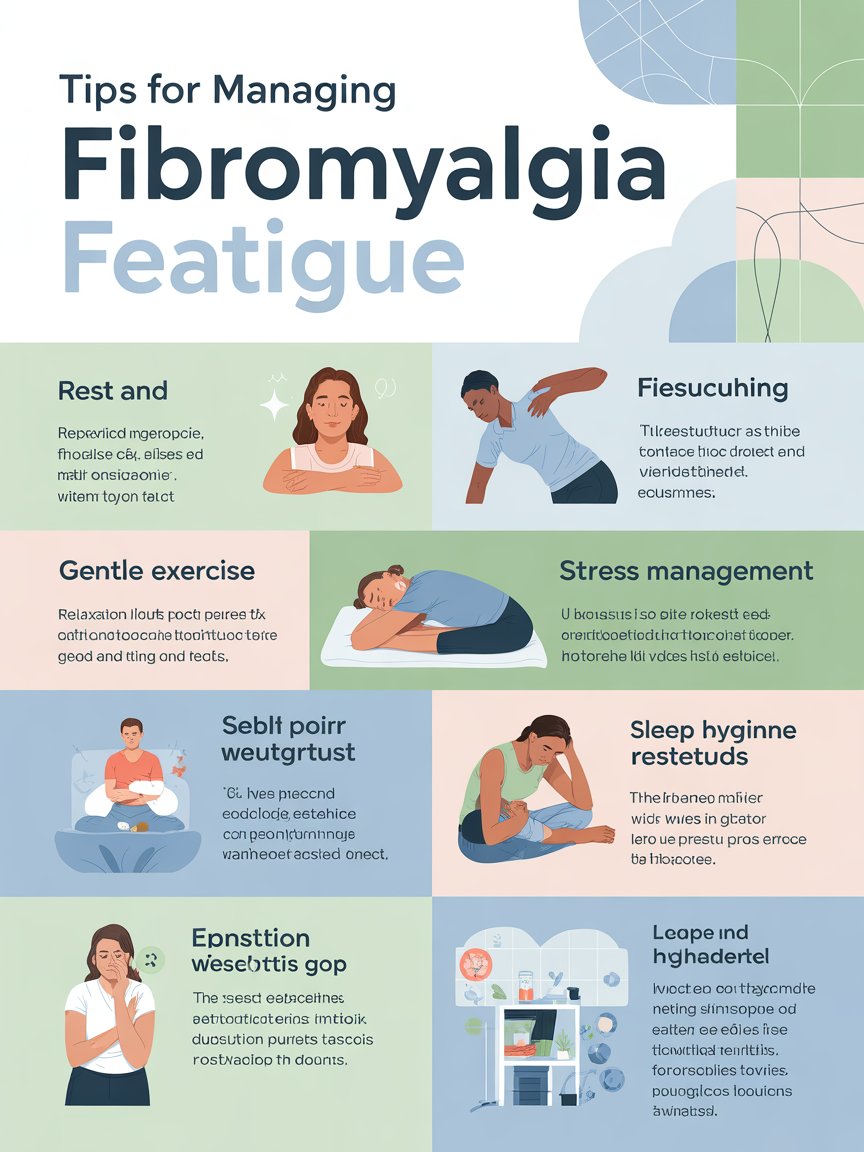
Living well requires pacing daily activities. Breaking tasks into smaller steps and allowing rest between activities helps prevent flares and energy crashes.
4. Creating a Supportive Morning Routine
Starting the Day Gently
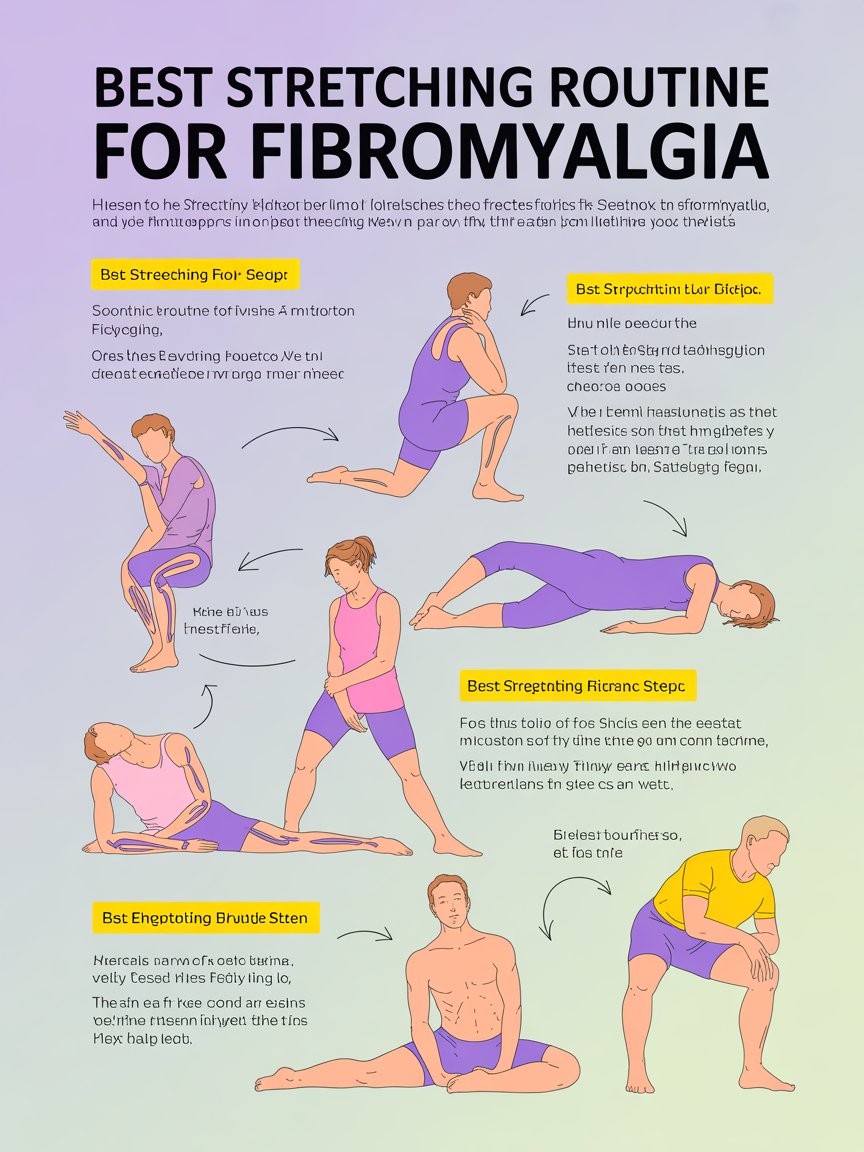
Begin mornings with light stretching, deep breathing, or a warm shower to reduce stiffness. A calm start can set a positive tone for the rest of the day.
5. Improving Sleep Quality
Rest as a Foundation
Since poor sleep worsens pain and fatigue, maintaining consistent sleep habits is essential. Aim for regular bedtimes, a comfortable environment, and relaxing pre-sleep rituals.
6. Nourishing Your Body
Balanced Nutrition Matters
Eating whole foods—vegetables, fruits, lean proteins, and healthy fats—supports steady energy and reduces inflammation. Limiting processed foods may also help stabilize symptoms.
7. Incorporating Gentle Movement
Staying Active Without Overdoing It
Light exercises such as walking, yoga, or stretching can improve flexibility and mood. The key is consistency and avoiding high-impact activities that trigger pain.
8. Managing Stress Effectively
Protecting Your Nervous System
Stress can intensify fibromyalgia symptoms. Techniques like mindfulness, journaling, and deep breathing can help calm the nervous system and reduce flare-ups.
9. Addressing Emotional Health
Caring for Your Mental Well-Being
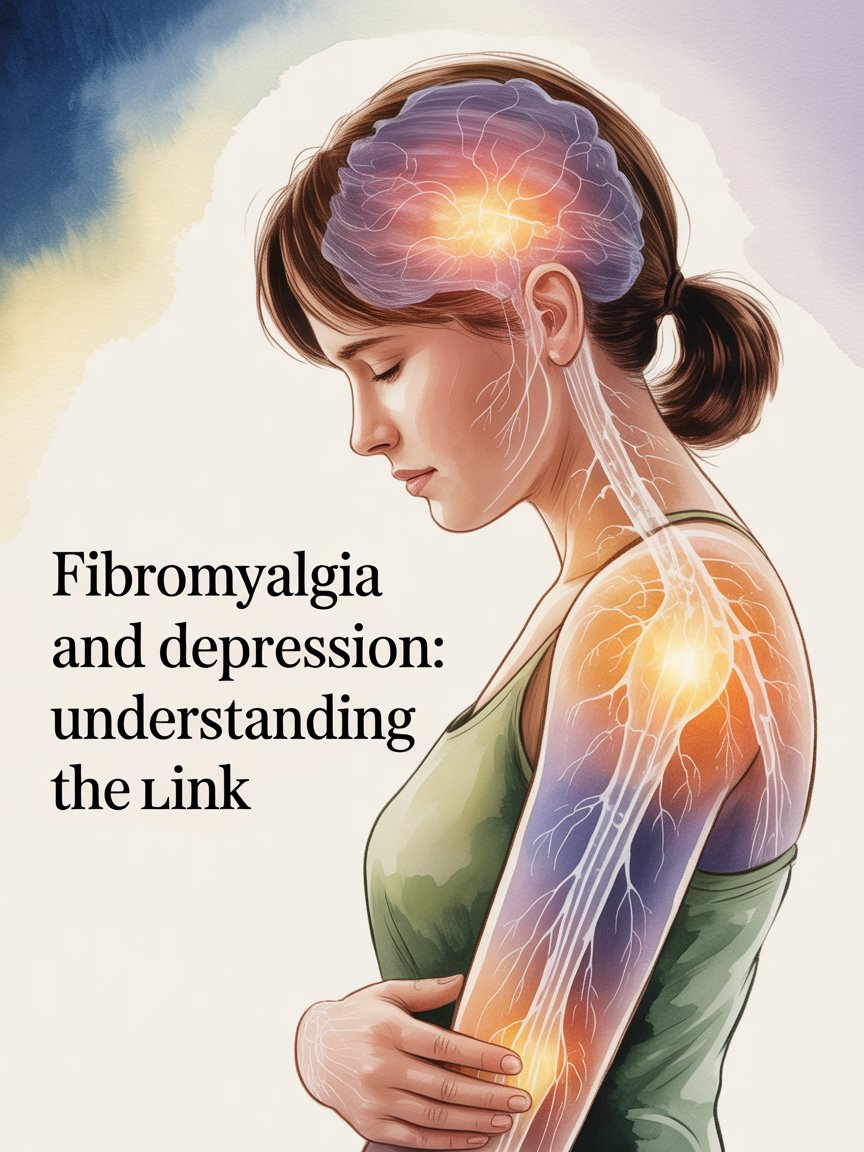
Living with chronic pain can affect mood and self-esteem. Talking to a counselor or joining support groups can provide emotional relief and coping tools.
10. Building a Strong Support System
You Don’t Have to Do It Alone
Family, friends, and support communities can offer understanding and encouragement. Open communication about your needs strengthens relationships and reduces isolation.
11. Adapting Your Work Life
Finding Sustainable Balance
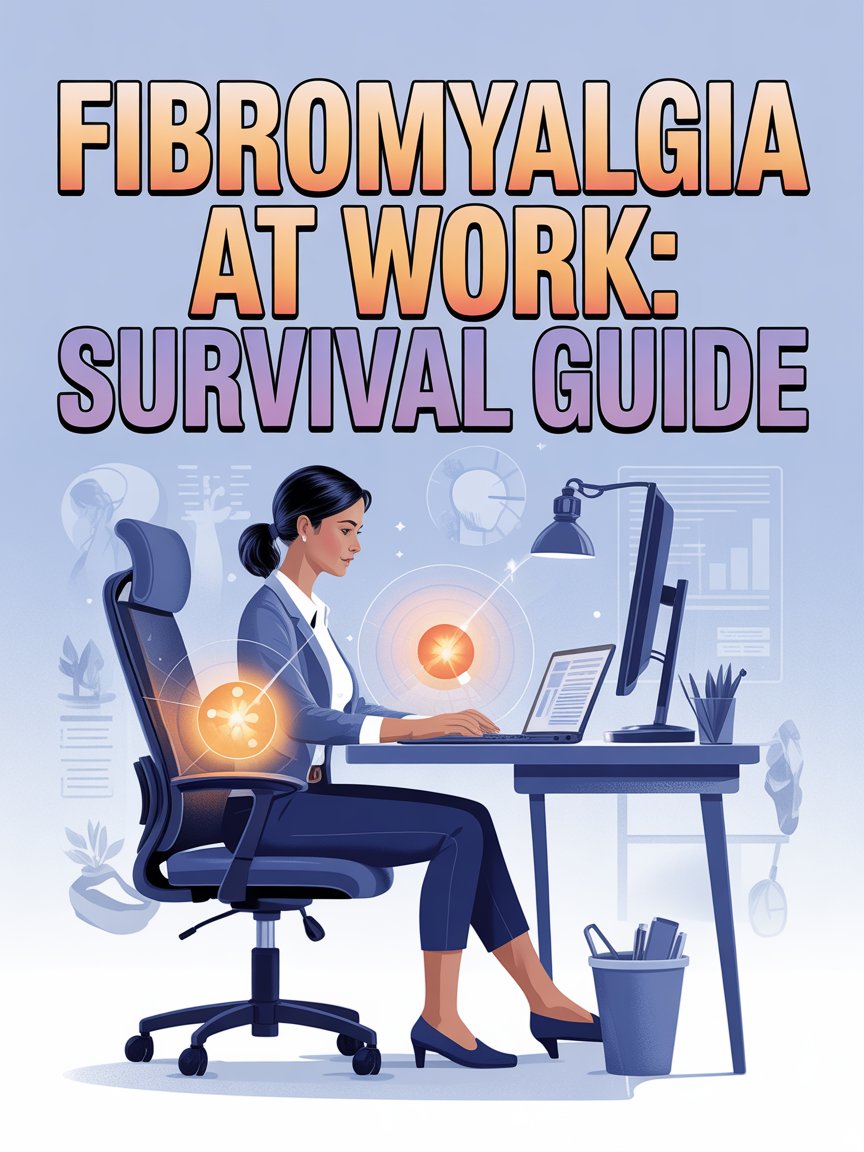
Whether working full-time or part-time, consider reasonable adjustments like flexible schedules or ergonomic support. Protecting your health allows you to stay productive longer.
12. Tracking Symptoms and Triggers
Knowledge Is Power
Keeping a symptom journal can help identify patterns and triggers. This awareness makes it easier to prevent or prepare for flares.
13. Practicing Self-Compassion
Letting Go of Guilt
Resting when needed is not laziness. Living well with fibromyalgia requires patience and kindness toward yourself, especially on difficult days.
14. Celebrating Small Wins
Progress Over Perfection
Recognize daily achievements, no matter how small. Completing tasks, managing stress, or maintaining routines are victories worth celebrating.
15. Redefining What “Well” Means
Creating Your Own Version of Wellness
Living well with fibromyalgia does not mean being symptom-free. It means building a balanced lifestyle that supports your physical, emotional, and mental health. With consistent care and realistic expectations, a fulfilling and empowered life is absolutely possible.