Blog

  • 15 Drug-Free Fibromyalgia Relief Tips

    15 Drug-Free Fibromyalgia Relief Tips

    15 Drug-Free Fibromyalgia Relief Tips

    Living with fibromyalgia can be challenging, especially when managing ongoing pain, fatigue, and sensitivity. While medications can help, many people prefer to include drug-free approaches in their routine to support long-term relief and overall well-being.

    Natural and lifestyle-based strategies can help reduce symptoms, improve energy, and enhance quality of life. Below are fifteen drug-free tips that may help you manage fibromyalgia more comfortably.


    1. Practice Gentle Daily Exercise

    Keep Moving Safely

    Low-impact activities like walking or stretching can help reduce stiffness.

    Build Strength Gradually

    Regular movement supports muscle health and flexibility.


    2. Use Heat Therapy

    Relax Tight Muscles

    Warm baths or heating pads can ease muscle tension.

    Improve Comfort

    Heat helps increase circulation and reduce pain.


    3. Try Cold Therapy

    Reduce Inflammation

    Cold packs may help calm sore or inflamed areas.

    Alternate for Relief

    Switching between heat and cold can provide added benefits.


    4. Improve Sleep Habits

    Stick to a Schedule

    Consistent sleep times help regulate your body clock.

    Create a Calm Environment

    A quiet and dark room supports better rest.


    5. Practice Stress Management

    Reduce Triggers

    Stress can worsen fibromyalgia symptoms.

    Use Relaxation Techniques

    Meditation, breathing exercises, or journaling can help.


    6. Follow an Anti-Inflammatory Diet

    Eat Whole Foods

    Focus on fruits, vegetables, and healthy fats.

    Avoid Processed Foods

    Limiting sugar and processed items may reduce flare-ups.


    7. Stay Hydrated

    Support Body Functions

    Drinking enough water helps maintain muscle and joint health.

    Reduce Fatigue

    Hydration can improve energy levels.


    8. Try Gentle Stretching

    Increase Flexibility

    Stretching helps reduce stiffness and improve mobility.

    Ease Morning Pain

    It can be especially helpful after waking up.


    9. Explore Massage Therapy

    Relieve Muscle Tension

    Massage can help loosen tight muscles and improve circulation.

    Promote Relaxation

    It also helps calm the nervous system.


    10. Practice Mindfulness

    Stay Present

    Mindfulness reduces stress and improves emotional balance.

    Improve Pain Tolerance

    It may help you cope better with discomfort.


    11. Use Foam Rolling

    Self-Massage Technique

    Foam rolling can help release tight muscle areas.

    Improve Mobility

    It may reduce soreness and increase flexibility.


    12. Maintain a Consistent Routine

    Add Structure to Your Day

    A routine helps balance activity and rest.

    Reduce Overexertion

    Planning ahead can prevent flare-ups.


    13. Spend Time Outdoors

    Get Natural Light

    Sunlight supports mood and sleep cycles.

    Boost Well-Being

    Fresh air can help reduce stress and improve energy.


    14. Try Relaxing Activities

    Engage in Hobbies

    Reading, music, or crafts can improve mood.

    Support Mental Health

    Enjoyable activities help reduce emotional strain.


    15. Listen to Your Body

    Recognize Limits

    Pay attention to signs of fatigue or pain.

    Adjust Accordingly

    Rest when needed and avoid pushing too hard.
  • 8 Natural Ways to Manage Fibromyalgia Daily

    8 Natural Ways to Manage Fibromyalgia Daily

    8 Natural Ways to Manage Fibromyalgia Daily

    Living with fibromyalgia can be challenging, as symptoms like widespread pain, fatigue, and brain fog can affect everyday life. While medical treatment is important, many people find that natural daily habits play a key role in managing symptoms and improving overall well-being.

    By building a consistent routine focused on gentle care and balance, you can reduce flare-ups and feel more in control. Below are eight natural ways to manage fibromyalgia daily.


    1. Start Your Day with Gentle Movement

    Wake Up Your Body Slowly

    Light stretching or a short walk in the morning can help loosen stiff muscles.

    Improve Circulation

    Gentle movement increases blood flow, which may reduce pain and improve flexibility.


    2. Maintain a Balanced Diet

    Choose Anti-Inflammatory Foods

    Eating fruits, vegetables, whole grains, and healthy fats can help support your body.

    Avoid Trigger Foods

    Reducing processed foods, sugar, and excess caffeine may help minimize flare-ups.


    3. Stay Hydrated Throughout the Day

    Support Muscle Function

    Proper hydration helps keep muscles and joints functioning smoothly.

    Reduce Fatigue

    Drinking enough water can improve energy levels and reduce feelings of exhaustion.


    4. Practice Stress Management Daily

    Identify Stress Triggers

    Stress is a common trigger for fibromyalgia symptoms.

    Use Relaxation Techniques

    Deep breathing, meditation, or journaling can help calm the mind and body.


    5. Prioritize Quality Sleep

    Stick to a Sleep Schedule

    Going to bed and waking up at the same time each day supports better sleep.

    Create a Relaxing Environment

    A cool, dark, and quiet bedroom can help improve sleep quality.


    6. Use Heat Therapy for Pain Relief

    Relax Tight Muscles

    Warm baths, heating pads, or warm compresses can help ease muscle tension.

    Improve Comfort

    Heat therapy is a simple and effective way to reduce daily discomfort.


    7. Pace Your Activities

    Avoid Overexertion

    Doing too much at once can lead to flare-ups.

    Balance Activity and Rest

    Break tasks into smaller steps and take regular breaks throughout the day.


    8. Make Time for Relaxation and Joy

    Engage in Enjoyable Activities

    Hobbies and activities you enjoy can improve mood and reduce stress.

    Support Mental Health

    Taking time for yourself helps create balance and emotional well-being.

  • 12 Herbal Solutions for Fibromyalgia Symptoms

    12 Herbal Solutions for Fibromyalgia Symptoms

    12 Herbal Solutions for Fibromyalgia Symptoms

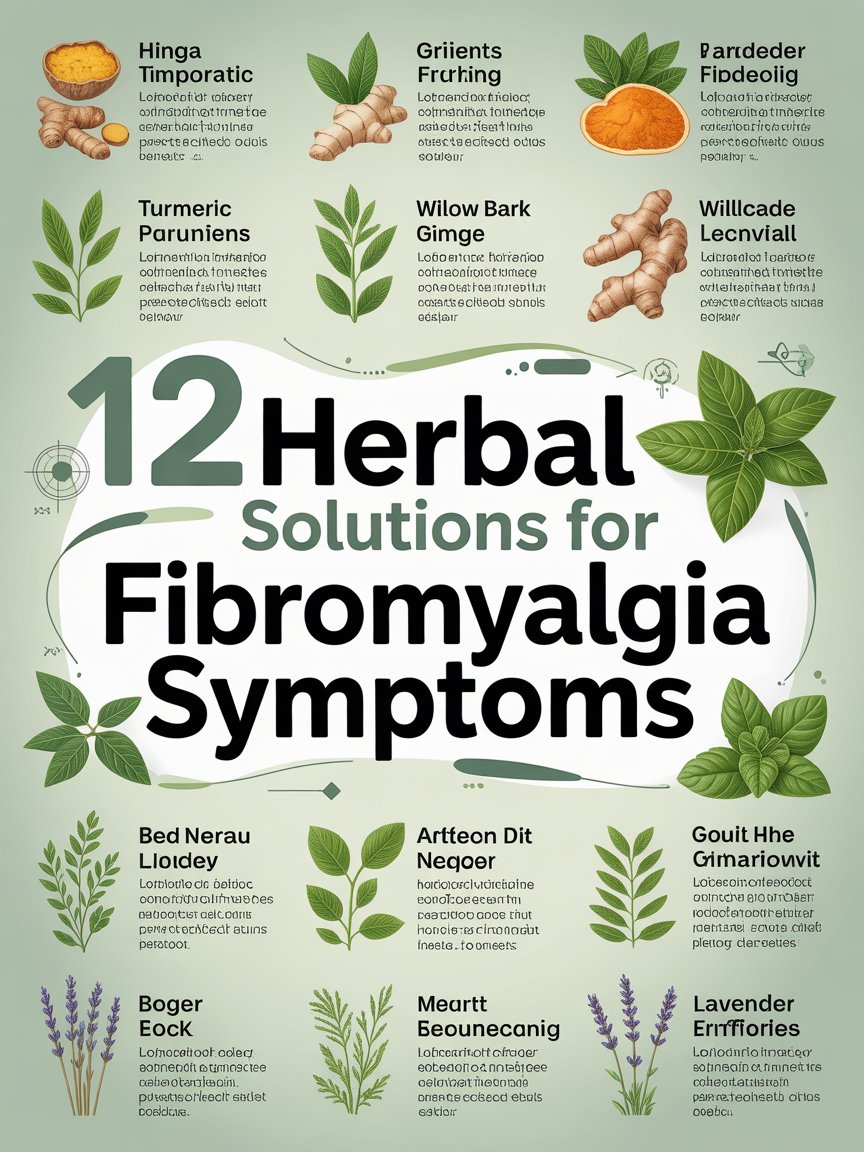
    Fibromyalgia can bring ongoing challenges such as widespread pain, fatigue, poor sleep, and heightened sensitivity. While medical treatments are often necessary, many people explore herbal remedies as a natural way to support symptom relief. Herbs have been used for centuries to promote relaxation, reduce inflammation, and improve overall well-being.

    When used carefully and with guidance, herbal solutions may complement your fibromyalgia care plan. Below are twelve herbal options that may help ease symptoms.


    1. Turmeric

    Natural Anti-Inflammatory

    Turmeric contains curcumin, a compound known for its anti-inflammatory properties.

    Pain Relief Support

    It may help reduce muscle soreness and joint discomfort.


    2. Ginger

    Reduces Inflammation

    Ginger has natural compounds that may help ease inflammation and pain.

    Supports Digestion

    It can also help relieve digestive discomfort, which some people with fibromyalgia experience.


    3. Ashwagandha

    Stress Reduction

    Ashwagandha is an adaptogen that helps the body manage stress.

    Improves Energy

    It may also support better energy levels and reduce fatigue.


    4. Chamomile

    Promotes Relaxation

    Chamomile is commonly used to calm the mind and body.

    Supports Sleep

    It may help improve sleep quality, which is often disrupted in fibromyalgia.


    5. Peppermint

    Cooling Effect

    Peppermint has a soothing, cooling sensation that may help relieve muscle tension.

    Eases Headaches

    It is also commonly used for tension headaches.


    6. Valerian Root

    Natural Sleep Aid

    Valerian root is often used to support better sleep.

    Reduces Anxiety

    It may help calm the nervous system and promote relaxation.


    7. Lavender

    Calming Aroma

    Lavender is widely used in aromatherapy to reduce stress and anxiety.

    Improves Sleep

    It may help promote deeper, more restful sleep.


    8. Eucalyptus

    Muscle Relief

    Eucalyptus oil is often used to soothe sore muscles and improve circulation.

    Breathing Support

    It may also help open airways and support relaxation.


    9. Holy Basil (Tulsi)

    Adaptogenic Benefits

    Holy basil helps the body adapt to stress and maintain balance.

    Supports Immunity

    It may also help improve overall resilience and well-being.


    10. Licorice Root

    Energy Support

    Licorice root may help support adrenal function and reduce fatigue.

    Anti-Inflammatory Effects

    It may also help reduce inflammation in the body.


    11. Lemon Balm

    Calms the Mind

    Lemon balm is known for its calming effects on the nervous system.

    Reduces Anxiety

    It may help ease stress and improve mood.


    12. Boswellia

    Joint and Muscle Support

    Boswellia, also known as frankincense, has anti-inflammatory properties.

    Pain Reduction

    It may help reduce joint stiffness and improve mobility.


    Conclusion

    Herbal remedies can offer gentle and natural support for managing fibromyalgia symptoms. From reducing inflammation and easing pain to improving sleep and lowering stress, these herbs may help enhance overall well-being.

    However, it’s important to use herbal treatments carefully and consult a healthcare provider before starting any new remedy, especially if you are taking medications. With the right approach, herbal solutions can become a valuable part of your fibromyalgia self-care routine.

  • 10 Natural Remedies for Fibromyalgia Pain Relief

    10 Natural Remedies for Fibromyalgia Pain Relief

    10 Natural Remedies for Fibromyalgia Pain Relief

    Fibromyalgia is a chronic condition characterized by widespread pain, fatigue, and sensitivity. While there is no single cure, many people find relief through natural remedies that support the body and reduce discomfort. These approaches focus on improving overall well-being, calming the nervous system, and easing muscle tension.

    Incorporating natural remedies into your daily routine can help you manage symptoms more effectively. Below are ten natural remedies that may help relieve fibromyalgia pain.


    1. Gentle Exercise

    Low-Impact Movement

    Activities like walking, stretching, or yoga can help reduce stiffness and improve flexibility.

    Boost Circulation

    Regular movement increases blood flow and may help reduce pain over time.


    2. Warm Baths

    Heat Therapy Benefits

    Soaking in warm water helps relax muscles and reduce tension.

    Promote Relaxation

    Warm baths can also calm the mind and prepare the body for rest.


    3. Massage Therapy

    Release Muscle Tension

    Gentle massage can help loosen tight muscles and improve circulation.

    Reduce Stress

    Massage also promotes relaxation, which may ease pain symptoms.


    4. Anti-Inflammatory Diet

    Eat Whole Foods

    Fruits, vegetables, whole grains, and healthy fats can help reduce inflammation.

    Avoid Trigger Foods

    Limiting processed foods and sugar may help reduce flare-ups.


    5. Herbal Teas

    Natural Calm

    Teas like chamomile, ginger, or peppermint can help relax the body.

    Support Digestion

    Some herbal teas may also reduce bloating and discomfort.


    6. Mindfulness and Meditation

    Calm the Nervous System

    Mindfulness practices help reduce stress and emotional tension.

    Improve Pain Tolerance

    Regular meditation may help the body respond better to pain.


    7. Quality Sleep Habits

    Establish a Routine

    Going to bed at the same time each night supports better sleep.

    Reduce Fatigue

    Improved sleep can lower pain sensitivity and increase energy.


    8. Heat and Cold Therapy

    Targeted Relief

    Heating pads can relax muscles, while cold packs may reduce inflammation.

    Alternate for Best Results

    Switching between heat and cold can provide additional relief.


    9. Supplements and Nutrients

    Support Body Function

    Nutrients like magnesium and vitamin D may help reduce muscle pain and fatigue.

    Consult a Professional

    Always speak with a healthcare provider before starting supplements.


    10. Stress Management Techniques

    Reduce Triggers

    Stress is a common trigger for fibromyalgia flare-ups.

    Practice Relaxation

    Deep breathing, journaling, or gentle hobbies can help manage stress levels.


    Conclusion

    Natural remedies can play an important role in managing fibromyalgia pain and improving daily comfort. From gentle exercise and warm baths to mindfulness and proper nutrition, these approaches focus on supporting the body in a holistic way.

    While results may vary, consistency is key. By incorporating these natural strategies into your routine and working closely with your healthcare provider, you can take meaningful steps toward reducing pain and improving your quality of life.

  • 11 Health Checks Women with Fibromyalgia Need

    11 Health Checks Women with Fibromyalgia Need

    11 Health Checks Women with Fibromyalgia Need

    Living with fibromyalgia requires ongoing care and attention to overall health. Because fibromyalgia affects multiple systems in the body, regular health check-ups are essential for managing symptoms and identifying related conditions. Women with fibromyalgia may especially benefit from routine screenings that monitor hormonal balance, pain levels, and general wellness.

    Staying proactive about your health can help prevent complications and improve quality of life. Below are eleven important health checks women with fibromyalgia should consider.


    1. Thyroid Function Tests

    Check Hormone Levels

    Thyroid disorders are common and can mimic or worsen fibromyalgia symptoms.

    Monitor Energy and Metabolism

    Regular testing helps detect imbalances that affect fatigue and weight.


    2. Vitamin D Levels

    Support Bone and Muscle Health

    Vitamin D plays a key role in maintaining strong bones and reducing muscle pain.

    Prevent Deficiency

    Low levels are common and may contribute to increased pain and fatigue.


    3. Iron and Ferritin Tests

    Detect Anemia

    Low iron levels can lead to fatigue, weakness, and poor concentration.

    Improve Energy Levels

    Monitoring iron helps ensure your body has the oxygen it needs to function properly.


    4. Sleep Evaluation

    Assess Sleep Quality

    Poor sleep is a major concern in fibromyalgia.

    Identify Disorders

    A sleep study may help detect issues like insomnia or sleep apnea.


    5. Hormone Level Testing

    Track Hormonal Changes

    Hormonal imbalances can affect pain sensitivity and mood.

    Support Symptom Management

    Testing can help guide treatment during different life stages.


    6. Blood Sugar Testing

    Monitor Glucose Levels

    Blood sugar imbalances can affect energy and increase fatigue.

    Prevent Complications

    Regular testing helps reduce the risk of diabetes and related issues.


    7. Inflammation Markers

    Identify Underlying Issues

    Tests like CRP or ESR can help detect inflammation in the body.

    Differentiate Conditions

    These tests may help rule out other conditions with similar symptoms.


    8. Bone Density Scan

    Check Bone Health

    Women with fibromyalgia may be at risk for bone loss, especially after menopause.

    Prevent Fractures

    Early detection can help reduce the risk of osteoporosis.


    9. Mental Health Screening

    Monitor Emotional Well-Being

    Chronic pain can affect mental health, leading to anxiety or depression.

    Seek Early Support

    Regular check-ins can help identify and manage emotional challenges.


    10. Nutritional Assessment

    Evaluate Diet and Deficiencies

    A nutritional check can identify missing nutrients that may affect energy and health.

    Support Overall Wellness

    Balanced nutrition plays a key role in managing fibromyalgia symptoms.


    11. Medication Review

    Ensure Safe Usage

    Regularly reviewing medications helps prevent side effects and interactions.

    Optimize Treatment

    Adjustments may improve symptom control and reduce discomfort.


    Conclusion

    Regular health checks are an important part of managing fibromyalgia, especially for women who may face additional hormonal and nutritional challenges. Monitoring key areas such as thyroid function, vitamin levels, sleep quality, and mental health can help identify issues early and improve treatment outcomes.

    By staying proactive and working closely with healthcare providers, women with fibromyalgia can better manage their symptoms, maintain overall health, and improve their quality of life.

  • 5 Birth Control Questions to Ask Your Doctor

    5 Birth Control Questions to Ask Your Doctor

    5 Birth Control Questions to Ask Your Doctor

    Choosing the right birth control method is an important decision that can affect your health, lifestyle, and future plans. With many options available, it’s essential to have an open and informed discussion with your doctor. Asking the right questions can help you better understand your choices and find a method that suits your needs.

    Being prepared for your appointment ensures you make confident and well-informed decisions. Below are five important birth control questions to ask your doctor.


    1. Which Birth Control Method Is Best for Me?

    Consider Your Lifestyle

    Different methods work better depending on your daily routine, health conditions, and personal preferences.

    Personalized Recommendations

    Your doctor can suggest options based on your age, medical history, and reproductive goals.

    Long-Term vs Short-Term Options

    Understanding whether you prefer a temporary or long-term method can guide your choice.


    2. What Are the Possible Side Effects?

    Common Reactions

    Some birth control methods may cause side effects such as nausea, mood changes, or weight fluctuations.

    Managing Side Effects

    Ask how long side effects may last and what you can do to manage them.

    When to Seek Help

    Understanding warning signs helps you know when to contact your doctor.


    3. How Effective Is This Method?

    Compare Effectiveness Rates

    Different methods have different success rates in preventing pregnancy.

    Proper Usage Matters

    Ask how to use the method correctly to ensure maximum effectiveness.

    Backup Options

    Find out if you need a backup method in certain situations.


    4. Will It Affect My Hormones or Health Conditions?

    Hormonal vs Non-Hormonal

    Some methods use hormones, while others do not. It’s important to understand how they may affect your body.

    Existing Health Concerns

    If you have conditions like migraines, fibromyalgia, or hormonal imbalances, certain methods may be more suitable than others.

    Long-Term Health Impact

    Discuss how the method may influence your overall health over time.


    5. Can I Easily Stop or Change This Method?

    Flexibility Matters

    Some birth control methods are easier to stop than others.

    Planning for the Future

    Ask how quickly fertility returns after stopping the method.

    Switching Options

    Understanding how to safely switch methods can give you peace of mind.


    Conclusion

    Choosing a birth control method is a personal decision that should be based on accurate information and professional guidance. Asking questions about effectiveness, side effects, health impact, and flexibility can help you feel more confident in your choice.

    By having an open conversation with your doctor, you can find a method that aligns with your health needs and lifestyle. Being informed empowers you to take control of your reproductive health and make decisions that are right for you.

  • 8 Signs Hormones Are Triggering Flare-Ups

    8 Signs Hormones Are Triggering Flare-Ups

    8 Signs Hormones Are Triggering Flare-Ups

    Hormones play a powerful role in regulating many body functions, including pain sensitivity, mood, sleep, and energy levels. For individuals living with chronic conditions like fibromyalgia, hormonal fluctuations can sometimes trigger or worsen flare-ups. These changes may occur during menstrual cycles, stress, menopause, or other life stages.

    Recognizing when hormones are contributing to flare-ups can help you better manage symptoms and prepare for challenging periods. Below are eight signs that hormones may be triggering your symptoms.


    1. Pain Worsens Around Your Menstrual Cycle

    Noticeable Monthly Patterns

    If your pain increases before or during your period, hormonal changes may be a key trigger.

    Estrogen Fluctuations

    Shifts in estrogen levels can affect how the body processes pain, making symptoms feel more intense.


    2. Increased Fatigue Without Clear Cause

    Sudden Energy Drops

    Hormonal imbalances can lead to unexplained fatigue, even without increased activity.

    Disrupted Energy Levels

    Changes in hormones like cortisol or thyroid hormones may affect how your body produces energy.


    3. Sleep Problems Become More Frequent

    Difficulty Falling or Staying Asleep

    Hormones such as melatonin and progesterone influence sleep quality.

    Poor Rest and Pain

    Lack of restful sleep can worsen pain and contribute to flare-ups.


    4. Mood Swings and Irritability

    Emotional Changes

    Hormonal shifts can lead to mood swings, anxiety, or irritability.

    Link to Pain Perception

    Emotional stress can heighten pain sensitivity and make symptoms harder to manage.


    5. Increased Sensitivity to Pain

    Lower Pain Threshold

    Hormonal changes can make the nervous system more sensitive.

    Amplified Symptoms

    Even mild discomfort may feel more intense during hormonal fluctuations.


    6. Frequent Headaches or Migraines

    Hormonal Triggers

    Many people experience headaches linked to hormonal changes.

    Added Discomfort

    These headaches can contribute to overall pain and fatigue during flare-ups.


    7. Changes in Appetite or Weight

    Hormone-Driven Cravings

    Hormones like insulin, leptin, and ghrelin can affect hunger and cravings.

    Impact on Energy

    Fluctuations in appetite and weight can influence energy levels and symptom severity.


    8. Stress Feels More Overwhelming

    Heightened Stress Response

    Hormonal imbalances, especially involving cortisol, can make stress harder to manage.

    Triggering Flare-Ups

    Increased stress levels can directly contribute to worsening symptoms.


    Conclusion

    Hormonal fluctuations can have a significant impact on fibromyalgia symptoms and flare-ups. Signs such as increased pain during menstrual cycles, sleep disturbances, fatigue, and mood changes may indicate that hormones are playing a role.

    By tracking symptoms, maintaining healthy routines, and seeking medical guidance when needed, you can better understand your body’s patterns and manage flare-ups more effectively. Awareness is a key step toward gaining more control over your condition and improving your overall well-being.

  • 10 Menopause Relief Tips for Chronic Pain

    10 Menopause Relief Tips for Chronic Pain

    10 Menopause Relief Tips for Chronic Pain

    Menopause is a natural phase of life, but for those living with chronic pain conditions, it can bring added challenges. Hormonal changes—especially the decline in estrogen—can increase pain sensitivity, disrupt sleep, and affect mood. These shifts may worsen symptoms and make daily life more difficult.

    The good news is that there are practical ways to manage both menopause symptoms and chronic pain. With the right strategies, you can improve comfort, support your body, and maintain a better quality of life. Below are ten helpful tips for managing menopause-related discomfort alongside chronic pain.


    1. Stay Physically Active

    Gentle Movement Matters

    Low-impact exercises like walking, stretching, or yoga can help reduce stiffness and improve flexibility.

    Support Pain Relief

    Regular movement boosts circulation and may ease muscle and joint pain.


    2. Focus on a Balanced Diet

    Nourish Your Body

    Eating a diet rich in fruits, vegetables, whole grains, and lean protein supports overall health.

    Reduce Inflammation

    Anti-inflammatory foods may help reduce pain and improve energy levels.


    3. Prioritize Quality Sleep

    Establish a Routine

    Going to bed and waking up at consistent times can improve sleep quality.

    Create a Restful Space

    A cool, dark, and quiet bedroom can help reduce nighttime discomfort and improve rest.


    4. Manage Stress Effectively

    Reduce Emotional Triggers

    Stress can worsen both menopausal symptoms and chronic pain.

    Practice Relaxation

    Deep breathing, meditation, and mindfulness can help calm the body and mind.


    5. Stay Hydrated

    Support Body Functions

    Drinking enough water helps regulate temperature and supports joint health.

    Reduce Discomfort

    Proper hydration may help minimize fatigue and muscle tension.


    6. Use Heat Therapy

    Soothe Aching Muscles

    Warm baths or heating pads can help relax tight muscles and reduce pain.

    Improve Comfort

    Heat can be especially helpful for stiffness and joint discomfort.


    7. Dress in Layers

    Manage Hot Flashes

    Wearing layers makes it easier to adjust to sudden temperature changes.

    Stay Comfortable

    Light, breathable fabrics can help reduce discomfort during the day and night.


    8. Maintain a Healthy Weight

    Reduce Joint Strain

    Extra weight can increase pressure on joints and worsen pain.

    Improve Mobility

    Maintaining a healthy weight can support movement and reduce discomfort.


    9. Limit Caffeine and Sugar

    Avoid Triggers

    Caffeine and sugar can worsen hot flashes, sleep problems, and energy crashes.

    Promote Stability

    Reducing these may help improve sleep and overall well-being.


    10. Seek Professional Support

    Get Expert Guidance

    A healthcare provider can help you explore treatment options tailored to your needs.

    Consider Therapy Options

    Counseling or support groups can help you cope with emotional and physical changes.


    Conclusion

    Managing menopause alongside chronic pain can be challenging, but it is possible with the right approach. By focusing on healthy habits such as regular exercise, balanced nutrition, stress management, and good sleep, you can reduce discomfort and improve your overall quality of life.

    Every journey through menopause is unique, so it’s important to listen to your body and seek support when needed. With patience and consistent care, you can navigate this phase with greater comfort and confidence.

  • 6 Pregnancy Planning Tips with Fibromyalgia

    6 Pregnancy Planning Tips with Fibromyalgia

    6 Pregnancy Planning Tips with Fibromyalgia

    Planning a pregnancy while living with fibromyalgia requires careful thought, preparation, and support. Although fibromyalgia does not prevent pregnancy, its symptoms—such as pain, fatigue, and sleep disturbances—can make the journey more challenging. With the right approach, many individuals successfully manage their condition and experience a healthy pregnancy.

    Understanding how to prepare both physically and emotionally can make a significant difference. Below are six important tips to help you plan for pregnancy while managing fibromyalgia.


    1. Consult Your Healthcare Provider Early

    Discuss Your Plans

    Before trying to conceive, talk openly with your doctor about your fibromyalgia and pregnancy goals.

    Review Medications

    Some medications used to manage fibromyalgia may not be safe during pregnancy, so adjustments may be needed.

    Create a Care Plan

    A personalized plan can help you manage symptoms safely before and during pregnancy.


    2. Optimize Your Physical Health

    Build Strength and Energy

    Gentle exercise, such as walking or stretching, can improve stamina and reduce stiffness.

    Focus on Nutrition

    A balanced diet supports overall health and prepares your body for pregnancy.

    Maintain a Healthy Weight

    This can help reduce strain on your body and improve pregnancy outcomes.


    3. Manage Stress Effectively

    Reduce Emotional Strain

    Stress can trigger fibromyalgia flare-ups and affect overall well-being.

    Practice Relaxation

    Techniques like deep breathing, meditation, or yoga can help calm the mind and body.

    Create a Support System

    Having emotional support from family or friends can make the process easier.


    4. Improve Sleep Habits

    Prioritize Rest

    Good sleep is essential for managing fibromyalgia symptoms and overall health.

    Establish a Routine

    Going to bed and waking up at consistent times can improve sleep quality.

    Create a Comfortable Environment

    A quiet, dark, and cool bedroom can support better rest.


    5. Plan for Symptom Management

    Expect Changes

    Symptoms may improve, worsen, or stay the same during pregnancy—it varies for each person.

    Track Your Symptoms

    Keeping a journal can help you and your doctor understand patterns and triggers.

    Prepare for Flare-Ups

    Have a plan in place for managing pain and fatigue safely.


    6. Build a Strong Support Network

    Seek Professional Guidance

    Working with healthcare providers who understand fibromyalgia can be very helpful.

    Lean on Loved Ones

    Family and friends can provide emotional and practical support during pregnancy.

    Consider Support Groups

    Connecting with others who have similar experiences can offer encouragement and advice.


    Conclusion

    Pregnancy planning with fibromyalgia may require extra care, but it is absolutely possible with the right preparation. By consulting your healthcare provider, managing stress, improving sleep, and building a support system, you can create a healthier and more comfortable journey.

    Every experience is unique, so listening to your body and staying informed will help you make the best decisions for yourself and your future baby. With proper planning and support, you can approach pregnancy with confidence and peace of mind.

  • 9 Thyroid Issues Linked to Fibromyalgia

    9 Thyroid Issues Linked to Fibromyalgia

    9 Thyroid Issues Linked to Fibromyalgia

    The thyroid gland plays a crucial role in regulating metabolism, energy levels, and overall body function. When thyroid hormones become imbalanced, they can produce symptoms that closely resemble or worsen fibromyalgia. Many people with fibromyalgia may also experience underlying thyroid issues that contribute to fatigue, pain, and cognitive difficulties.

    Understanding the connection between thyroid health and fibromyalgia can help in identifying overlapping symptoms and improving overall management. Below are nine thyroid-related issues commonly linked to fibromyalgia.


    1. Hypothyroidism (Underactive Thyroid)

    Slowed Metabolism

    Hypothyroidism occurs when the thyroid does not produce enough hormones.

    Shared Symptoms

    Fatigue, muscle pain, weight gain, and depression often overlap with fibromyalgia symptoms.


    2. Subclinical Hypothyroidism

    Mild Hormone Imbalance

    In this condition, thyroid levels are slightly abnormal but may not show obvious symptoms at first.

    Hidden Impact

    Even mild imbalances can contribute to fatigue, brain fog, and increased pain sensitivity.


    3. Hashimoto’s Thyroiditis

    Autoimmune Condition

    Hashimoto’s disease causes the immune system to attack the thyroid gland.

    Chronic Symptoms

    It can lead to long-term fatigue, muscle aches, and inflammation similar to fibromyalgia.


    4. Hyperthyroidism (Overactive Thyroid)

    Increased Metabolism

    Hyperthyroidism results in excessive thyroid hormone production.

    Nervous System Effects

    Symptoms such as anxiety, sleep disturbances, and muscle weakness can worsen fibromyalgia discomfort.


    5. Thyroid Hormone Resistance

    Reduced Sensitivity

    In this rare condition, the body does not respond properly to thyroid hormones.

    Persistent Symptoms

    Even with normal hormone levels, individuals may still experience fatigue and pain.


    6. Thyroid-Related Sleep Disturbances

    Disrupted Sleep Patterns

    Thyroid imbalances can interfere with the ability to fall and stay asleep.

    Increased Pain

    Poor sleep quality can intensify fibromyalgia symptoms.


    7. Thyroid-Induced Muscle Weakness

    Reduced Muscle Strength

    Thyroid dysfunction can lead to muscle weakness and cramps.

    Impact on Daily Life

    This can worsen physical limitations and increase discomfort.


    8. Hormonal Imbalance and Mood Changes

    Emotional Effects

    Thyroid issues can cause mood swings, anxiety, and depression.

    Pain Perception

    Mental health changes may increase how pain is experienced and managed.


    9. Slowed Recovery and Healing

    Reduced Cellular Function

    Thyroid hormones are essential for tissue repair and recovery.

    Ongoing Discomfort

    Imbalances may lead to prolonged muscle soreness and delayed healing.


    Conclusion

    Thyroid issues and fibromyalgia share many overlapping symptoms, making diagnosis and management more complex. Conditions like hypothyroidism, Hashimoto’s thyroiditis, and hormone imbalances can significantly influence pain, fatigue, and overall well-being.

    Recognizing these connections is important for proper evaluation and treatment. Working with a healthcare provider to monitor thyroid function and manage imbalances can help improve symptoms and enhance quality of life for those living with fibromyalgia.