Blog

  • 12 Encouraging Quotes for Fibromyalgia Warriors

    12 Encouraging Quotes for Fibromyalgia Warriors

    12 Encouraging Quotes for Fibromyalgia Warriors

    Living with fibromyalgia can be challenging, both physically and emotionally. Chronic pain, fatigue, and unpredictable flare-ups can make daily life difficult. During these moments, encouraging words can provide comfort, motivation, and strength. Quotes can remind fibromyalgia warriors that they are resilient, courageous, and not alone in their journey.

    Below are twelve encouraging quotes that can inspire hope and perseverance for anyone living with fibromyalgia.


    1. Strength Through Struggle

    Quote

    “Your pain does not define you. Your strength in facing it every day does.”

    Meaning

    This quote reminds fibromyalgia warriors that their resilience and determination are what truly define them, not the illness they live with.


    2. Courage in Every Step

    Quote

    “Every small step forward is still progress, even on the hardest days.”

    Meaning

    Living with chronic pain means celebrating even the smallest victories. Progress does not always have to be big to matter.


    3. Hope in Difficult Moments

    Quote

    “Some days survival is the greatest victory—and that is enough.”

    Meaning

    Fibromyalgia warriors often face difficult days, and simply getting through those moments is an achievement worth recognizing.


    4. Strength You Don’t Always See

    Quote

    “Strength is not always loud. Sometimes it is the quiet courage to keep going.”

    Meaning

    People living with fibromyalgia show strength every day, even when others may not see their struggle.


    5. Bravery Beyond Pain

    Quote

    “You are stronger than the pain you carry.”

    Meaning

    This quote emphasizes the inner resilience that many fibromyalgia warriors develop while managing chronic symptoms.


    6. Embracing Resilience

    Quote

    “Your resilience shines brightest in the moments you refuse to give up.”

    Meaning

    Even when symptoms feel overwhelming, choosing to keep moving forward demonstrates powerful inner strength.


    7. Progress Over Perfection

    Quote

    “Some days your best may be small—and that is still enough.”

    Meaning

    Fibromyalgia often requires adjusting expectations and recognizing that doing your best is what truly matters.


    8. A Reminder of Self-Worth

    Quote

    “You are not weak for needing rest. You are wise for listening to your body.”

    Meaning

    Rest is an important part of managing fibromyalgia and should be viewed as self-care rather than a limitation.


    9. Finding Light in the Darkness

    Quote

    “Even on painful days, your courage is brighter than the struggle.”

    Meaning

    This quote encourages people to focus on their strength rather than the difficulties they face.


    10. Hope for Better Days

    Quote

    “Bad days are part of the journey, but they are not the end of the story.”

    Meaning

    Fibromyalgia symptoms may come and go, and hope remains for better days ahead.


    11. The Power of Persistence

    Quote

    “Living with fibromyalgia means you are stronger than you realize.”

    Meaning

    People managing chronic illness often develop incredible emotional and mental strength.


    12. You Are Not Alone

    Quote

    “Millions fight silent battles every day—together, we are stronger.”

    Meaning

    This quote reminds fibromyalgia warriors that they are part of a supportive community facing similar challenges.


    Conclusion

    Encouraging words can provide comfort during difficult moments and remind fibromyalgia warriors of their inner strength. While living with fibromyalgia can be challenging, resilience, hope, and self-compassion can help people move forward one day at a time. Sometimes a simple quote can serve as a powerful reminder that strength exists even in the face of pain. 💜
  • 7 Daily Struggles of Living with Fibromyalgia

    7 Daily Struggles of Living with Fibromyalgia

    7 Daily Struggles of Living with Fibromyalgia

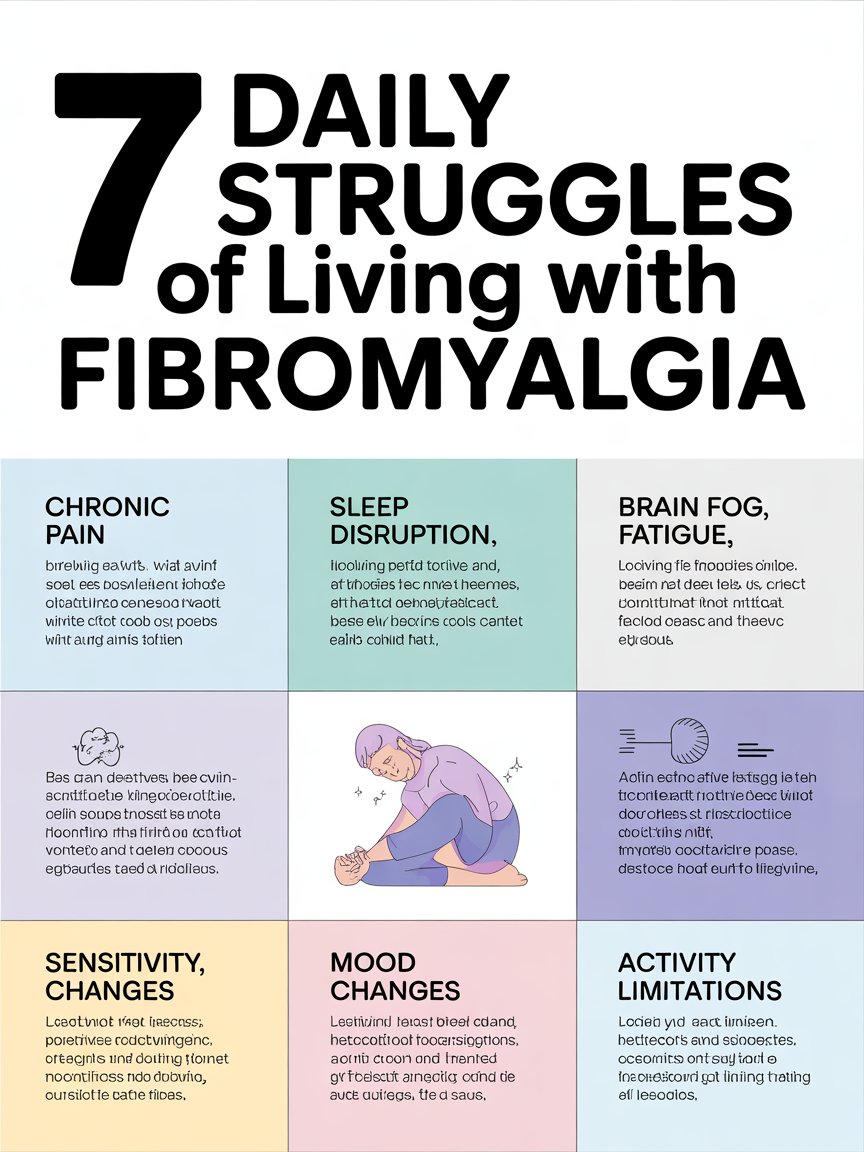
    Fibromyalgia is a chronic condition that affects the body in many ways, often causing widespread pain, fatigue, and cognitive challenges. While some people may only see occasional discomfort, those living with fibromyalgia understand that the condition can affect nearly every part of daily life. Even simple tasks can become difficult during flare-ups.

    Because many symptoms are invisible, the daily struggles faced by people with fibromyalgia are often misunderstood. Below are seven common challenges that many individuals with fibromyalgia experience every day.


    1. Constant and Widespread Pain

    Pain That Moves Around the Body

    One of the most common struggles of fibromyalgia is persistent pain that affects different parts of the body. Muscles, joints, and soft tissues may feel sore or tender throughout the day.

    Pain That Varies in Intensity

    Some days the pain may be mild, while other days it can become severe enough to limit movement or daily activities.


    2. Extreme Fatigue

    Exhaustion That Doesn’t Go Away

    People with fibromyalgia often feel deeply tired even after a full night of sleep. This type of fatigue can make it difficult to maintain energy throughout the day.

    Difficulty Completing Daily Tasks

    Simple responsibilities like cooking, cleaning, or running errands may require much more effort than usual.


    3. Sleep Problems

    Unrefreshing Sleep

    Even when individuals with fibromyalgia sleep for many hours, they may wake up feeling as though they have not rested at all.

    Interrupted Sleep Cycles

    Many people experience insomnia, restless sleep, or frequent waking during the night, which can worsen fatigue and pain.


    4. Brain Fog

    Trouble Concentrating

    Fibromyalgia often causes cognitive difficulties known as “fibro fog.” This can make focusing on tasks or remembering information more challenging.

    Slower Thinking

    Some individuals notice that their thinking feels slower or less clear, especially during periods of fatigue or stress.


    5. Sensitivity to Stimuli

    Increased Sensitivity

    Many people with fibromyalgia are more sensitive to light, noise, temperature changes, and strong smells.

    Overstimulation

    These sensitivities can make everyday environments such as busy workplaces or crowded areas uncomfortable.


    6. Managing Unpredictable Flare-Ups

    Symptoms That Change Daily

    Fibromyalgia symptoms often come and go. A person may feel relatively well one day and struggle with severe symptoms the next.

    Planning Around Energy Levels

    Because of this unpredictability, people often need to carefully plan activities and balance rest with daily responsibilities.


    7. Feeling Misunderstood by Others

    Invisible Illness

    Fibromyalgia does not usually produce visible signs such as swelling or injury, which can make it difficult for others to understand the severity of the condition.

    Emotional Challenges

    Many people with fibromyalgia experience frustration when their symptoms are minimized or misunderstood by others.


    Conclusion

    Living with fibromyalgia involves more than managing pain—it requires coping with fatigue, sleep disturbances, cognitive challenges, and unpredictable symptoms. These daily struggles can affect both physical and emotional well-being.

    Despite these challenges, many people with fibromyalgia develop strategies to manage their symptoms and improve their quality of life. Increased awareness and understanding can help provide the support and empathy that individuals with fibromyalgia need.

  • 10 Things Only People with Fibromyalgia Understand

    10 Things Only People with Fibromyalgia Understand

    10 Things Only People with Fibromyalgia Understand

    Fibromyalgia is a chronic condition that affects the muscles, joints, and nervous system, often causing widespread pain, fatigue, and “fibro fog.” Because many of its symptoms are invisible, people without the condition may struggle to fully understand what living with fibromyalgia feels like. Those who experience it daily, however, develop a unique understanding of its challenges.

    Here are ten things only people with fibromyalgia truly understand.


    1. Pain Can Strike Without Warning

    Unpredictable Flare-Ups

    One of the most frustrating aspects of fibromyalgia is that pain can appear suddenly and without clear cause. A day that starts normally can quickly turn into a struggle just to move or function.

    Constantly Adjusting Plans

    This unpredictability forces patients to adapt their daily routines, sometimes canceling plans or slowing down unexpectedly.


    2. Fatigue Is Different From Normal Tiredness

    Exhaustion That Doesn’t Improve With Rest

    People with fibromyalgia often feel completely drained, even after sleeping for eight or more hours.

    Everyday Tasks Become Challenging

    Simple activities like grocery shopping or climbing stairs can feel like major exertion, unlike ordinary fatigue that resolves with rest.


    3. “Fibro Fog” Makes Concentration Hard

    Cognitive Challenges

    Fibromyalgia often affects memory, attention, and the ability to process information.

    Impact on Work and Daily Life

    Tasks that were once simple, such as reading, writing emails, or following conversations, may require more effort and patience.


    4. Symptoms Are Invisible to Others

    Hard to Explain Pain

    Because fibromyalgia does not show up on blood tests or X-rays, others may struggle to understand the severity of the pain.

    Feeling Misunderstood

    This can lead to frustration when friends, family, or coworkers assume the individual is exaggerating or “just tired.”


    5. Weather Can Affect Symptoms

    Sensitivity to Temperature and Pressure

    Many people with fibromyalgia notice that changes in weather—cold, humidity, or barometric pressure—can worsen pain and stiffness.

    Planning Around Weather

    Patients often adjust their activities based on weather forecasts to minimize symptom flare-ups.


    6. Sleep Problems Are Constant

    Poor Quality Sleep

    Even when they get enough hours of sleep, people with fibromyalgia may wake up feeling unrefreshed.

    Effects on Mood and Function

    Sleep disturbances contribute to fatigue, pain, and difficulty concentrating, creating a cycle that is hard to break.


    7. Small Activities Can Cause Big Pain

    Post-Exertional Malaise

    Even minor physical or mental tasks can lead to worsening pain or fatigue, sometimes lasting for days.

    Learning to Pace Activities

    Managing fibromyalgia often requires careful planning and pacing to avoid overexertion.


    8. Emotional Strain Is Real

    Frustration and Anxiety

    Living with chronic pain and fatigue can lead to emotional stress, anxiety, or depression.

    Resilience and Adaptation

    Patients often develop strong coping strategies and resilience, even when support from others is limited.


    9. Diet and Lifestyle Changes Can Help—or Hurt

    Identifying Triggers

    Some foods, stress, or environmental factors can exacerbate symptoms.

    Trial and Error

    Many people with fibromyalgia experiment with diets, exercise routines, and relaxation techniques to find what works best for them.


    10. Every Day Is Unpredictable

    Planning Around Symptoms

    Fibromyalgia creates an unpredictable rhythm to daily life. What feels manageable one day may become impossible the next.

    Acceptance and Flexibility

    Learning to adapt and accept limitations is part of living with fibromyalgia, and those who do understand the delicate balance required to manage life with this condition.


    Conclusion

    Living with fibromyalgia is more than just dealing with pain—it is navigating a condition that affects every aspect of daily life, often invisibly. From fatigue and fibro fog to unpredictable flare-ups and emotional strain, the experiences of those with fibromyalgia are unique and deeply personal. Recognizing and respecting these realities helps friends, family, and caregivers provide better support, while also validating the challenges faced by those who live with fibromyalgia every day.

  • 12 Research-Backed Facts About Fibromyalgia

    12 Research-Backed Facts About Fibromyalgia

    12 Research-Backed Facts About Fibromyalgia

    Fibromyalgia is a chronic disorder that affects millions of people worldwide. It is characterized by widespread pain, fatigue, sleep disturbances, and cognitive difficulties often referred to as “fibro fog.” Over the years, researchers have conducted numerous studies to better understand the causes, symptoms, and management of fibromyalgia. While the condition is complex and varies from person to person, scientific research has uncovered several key facts that can help patients, caregivers, and healthcare providers navigate this challenging condition.

    Below are twelve research-backed facts about fibromyalgia, each explained with supporting details.


    1. Fibromyalgia Causes Widespread Pain

    Central Feature of the Condition

    Multiple studies confirm that widespread pain is the hallmark symptom of fibromyalgia. Patients often report pain in muscles, ligaments, and soft tissues across both sides of the body.

    Research Insights

    According to research published in the Journal of Pain Research, this widespread pain is associated with abnormal central nervous system processing, where the brain amplifies pain signals.


    2. Women Are More Likely to Be Affected

    Higher Prevalence in Women

    Epidemiological studies show that fibromyalgia is diagnosed 2 to 3 times more frequently in women than men.

    Possible Reasons

    Hormonal differences, genetic predisposition, and immune system variations may contribute to this gender disparity.


    3. Fibromyalgia Often Coexists With Other Conditions

    Common Comorbidities

    Research indicates that individuals with fibromyalgia frequently experience other chronic conditions such as irritable bowel syndrome (IBS), migraines, temporomandibular joint disorder (TMJ), and chronic fatigue syndrome.

    Impact on Diagnosis

    These overlapping conditions can complicate diagnosis and treatment, as symptoms may be attributed to other disorders.


    4. Sleep Disturbances Are Common

    Unrefreshing Sleep

    Scientific studies show that 70–90% of people with fibromyalgia report poor-quality sleep or difficulty staying asleep.

    Connection to Pain

    Research suggests that disrupted sleep contributes to increased pain sensitivity and fatigue, creating a cycle that worsens symptoms.


    5. Fibro Fog Affects Cognitive Function

    Cognitive Impairment

    Studies demonstrate that fibromyalgia often causes memory problems, difficulty concentrating, and slowed information processing, collectively known as “fibro fog.”

    Brain Research

    Functional MRI studies reveal changes in brain regions associated with attention, memory, and pain perception in people with fibromyalgia.


    6. Stress Can Trigger or Worsen Symptoms

    Role of Stress

    Scientific evidence indicates that physical or emotional stress can trigger fibromyalgia flare-ups and exacerbate pain, fatigue, and sleep disturbances.

    Stress Management

    Research supports interventions like mindfulness, meditation, and cognitive behavioral therapy to reduce stress-related symptom flare-ups.


    7. Fibromyalgia Involves Central Sensitization

    Amplified Pain Signals

    Central sensitization is a phenomenon where the nervous system becomes hypersensitive to pain signals. Research confirms this is a core feature of fibromyalgia.

    Implications

    This explains why patients may experience pain from stimuli that are normally non-painful, such as light touch or mild pressure.


    8. Genetic Factors Play a Role

    Family Studies

    Research shows that fibromyalgia can run in families, suggesting a genetic predisposition.

    Candidate Genes

    Studies are exploring genes involved in pain processing, neurotransmitter regulation, and stress response that may contribute to susceptibility.


    9. Exercise Improves Symptoms

    Evidence-Based Benefits

    Clinical trials demonstrate that low-impact aerobic exercise, stretching, and strength training can reduce pain, improve sleep, and enhance quality of life.

    Recommended Approach

    Gentle, gradual exercise programs are most effective, as overexertion can worsen symptoms.


    10. Medications Can Help Manage Symptoms

    Drug Options

    Research supports the use of medications such as certain antidepressants, anticonvulsants, and pain relievers to reduce fibromyalgia symptoms.

    Individualized Treatment

    Studies emphasize that no single medication works for everyone, and treatment should be tailored to the patient’s needs and symptom profile.


    11. Psychological Interventions Are Beneficial

    Cognitive Behavioral Therapy (CBT)

    Multiple studies show that CBT can help manage fibromyalgia symptoms by improving coping strategies and reducing stress.

    Mind-Body Therapies

    Yoga, tai chi, and mindfulness practices have also been shown in research to improve pain, fatigue, and overall well-being.


    12. Early Diagnosis Improves Outcomes

    Importance of Timely Recognition

    Research indicates that earlier diagnosis and intervention are associated with better symptom management and improved quality of life.

    Reducing Misdiagnosis

    Awareness among healthcare providers and patients can help reduce delays in diagnosis, which is often a challenge due to symptom overlap with other conditions.


    Conclusion

    Fibromyalgia is a multifaceted condition that affects millions worldwide, yet research has clarified many aspects of its nature and management. Widespread pain, central sensitization, cognitive difficulties, and sleep disturbances are all well-documented features supported by scientific studies. Genetics, stress, and comorbid conditions further complicate the picture, while evidence-based interventions such as exercise, medication, and psychological therapies can significantly improve quality of life.

    Understanding these research-backed facts empowers patients and healthcare providers to approach fibromyalgia with informed strategies, enhancing symptom management and daily functioning.

  • 10 Medical Facts About Fibromyalgia

    10 Medical Facts About Fibromyalgia

    10 Medical Facts About Fibromyalgia

    Fibromyalgia is a chronic health condition that affects millions of people worldwide. It is known for causing widespread pain, fatigue, and other symptoms that can interfere with daily life. Although awareness of fibromyalgia has improved over the years, many people still misunderstand the condition. Learning the medical facts about fibromyalgia can help patients, caregivers, and the public better understand how it affects the body.

    Below are ten important medical facts about fibromyalgia.


    1. Fibromyalgia Causes Widespread Pain

    Pain Throughout the Body

    One of the defining features of fibromyalgia is widespread pain that affects multiple areas of the body. This pain can occur in muscles, ligaments, and soft tissues.

    Long-Term Discomfort

    The pain often lasts for months or even years and may vary in intensity from mild to severe.


    2. It Affects the Nervous System

    Altered Pain Processing

    Fibromyalgia is believed to involve abnormal pain processing in the central nervous system. The brain becomes more sensitive to pain signals.

    Increased Sensitivity

    Because of this heightened sensitivity, even mild pressure or touch can sometimes feel painful.


    3. Fatigue Is a Major Symptom

    Constant Tiredness

    Many individuals with fibromyalgia experience persistent fatigue that does not improve with rest.

    Reduced Energy Levels

    This exhaustion can make daily tasks such as working, exercising, or completing household chores more difficult.


    4. Sleep Problems Are Common

    Unrefreshing Sleep

    Even after sleeping for several hours, people with fibromyalgia may wake up feeling tired.

    Sleep Disturbances

    Sleep issues such as insomnia, restless sleep, or frequent waking during the night are frequently reported.


    5. It Often Causes Cognitive Difficulties

    “Fibro Fog”

    Many patients experience cognitive symptoms known as fibro fog. These include trouble concentrating, memory problems, and slowed thinking.

    Impact on Daily Activities

    These mental challenges can affect work performance and everyday decision-making.


    6. Women Are More Commonly Affected

    Higher Prevalence in Women

    Fibromyalgia is diagnosed more often in women than in men.

    Possible Hormonal Factors

    Researchers believe hormonal differences and genetic factors may play a role in this pattern.


    7. Stress Can Worsen Symptoms

    Emotional and Physical Stress

    Stress is a common trigger for fibromyalgia flare-ups. Both emotional stress and physical strain may intensify symptoms.

    Managing Stress Helps

    Stress management techniques such as relaxation exercises and mindfulness may help reduce symptom severity.


    8. It Often Occurs Alongside Other Conditions

    Common Comorbidities

    People with fibromyalgia frequently experience other conditions such as migraines, irritable bowel syndrome, or chronic fatigue syndrome.

    Complex Symptom Patterns

    These overlapping conditions can make fibromyalgia more challenging to diagnose and treat.


    9. There Is No Single Cure

    Long-Term Management

    Currently, there is no cure for fibromyalgia. Treatment focuses on managing symptoms and improving quality of life.

    Combination of Therapies

    Management often includes medications, physical activity, lifestyle adjustments, and supportive therapies.


    10. Early Diagnosis Can Improve Quality of Life

    Faster Access to Treatment

    Recognizing fibromyalgia early can help individuals begin appropriate treatment sooner.

    Better Symptom Management

    With proper care and support, many people with fibromyalgia can learn to manage symptoms and maintain active lives.


    Conclusion

    Fibromyalgia is a complex medical condition that affects the way the body processes pain and responds to stress. Although it can cause significant discomfort and fatigue, understanding the medical facts behind the condition helps reduce misconceptions and supports better care.

    With increased awareness, improved medical research, and effective symptom management strategies, individuals living with fibromyalgia can work toward better health and improved quality of life.

  • 8 Conditions That Mimic Fibromyalgia

    8 Conditions That Mimic Fibromyalgia

    8 Conditions That Mimic Fibromyalgia

    Fibromyalgia is a chronic condition known for causing widespread pain, fatigue, sleep disturbances, and cognitive difficulties often called “brain fog.” However, diagnosing fibromyalgia can be challenging because several other medical conditions share similar symptoms. These overlapping symptoms can sometimes lead to confusion or delayed diagnosis.

    Understanding which conditions can mimic fibromyalgia can help patients and healthcare providers explore the right tests and treatments. Below are eight conditions that may produce symptoms similar to fibromyalgia.


    1. Chronic Fatigue Syndrome

    Severe and Persistent Fatigue

    Chronic Fatigue Syndrome (also known as Myalgic Encephalomyelitis) causes extreme fatigue that does not improve with rest. Many people with this condition also experience muscle pain and difficulty concentrating.

    Similar Symptom Patterns

    Because both conditions involve fatigue, sleep problems, and cognitive difficulties, they are often confused with each other.


    2. Rheumatoid Arthritis

    Autoimmune Joint Inflammation

    Rheumatoid arthritis is an autoimmune disease that causes inflammation in the joints. It can lead to joint pain, stiffness, and fatigue.

    Pain That May Resemble Fibromyalgia

    In the early stages, rheumatoid arthritis symptoms may appear similar to fibromyalgia, especially when widespread pain is present.


    3. Lupus

    Systemic Autoimmune Disease

    Lupus is a condition in which the immune system attacks healthy tissues in the body. It can affect the skin, joints, kidneys, and other organs.

    Overlapping Symptoms

    Fatigue, joint pain, and muscle aches are common in lupus, which can make it resemble fibromyalgia in some cases.


    4. Hypothyroidism

    Underactive Thyroid Gland

    Hypothyroidism occurs when the thyroid gland does not produce enough hormones. This can slow down many processes in the body.

    Symptoms That Mirror Fibromyalgia

    Common symptoms include fatigue, muscle pain, depression, and memory problems, which may resemble fibromyalgia symptoms.


    5. Multiple Sclerosis

    Nervous System Disorder

    Multiple sclerosis affects the central nervous system and disrupts communication between the brain and the body.

    Pain and Fatigue Similarities

    People with multiple sclerosis may experience muscle pain, fatigue, numbness, and cognitive issues that can resemble fibromyalgia symptoms.


    6. Lyme Disease

    Infection Spread by Tick Bites

    Lyme disease is caused by bacteria transmitted through tick bites. If untreated, it can lead to chronic symptoms.

    Long-Term Pain and Fatigue

    Some individuals with Lyme disease develop ongoing fatigue, joint pain, and neurological symptoms that can mimic fibromyalgia.


    7. Polymyalgia Rheumatica

    Inflammatory Muscle Condition

    Polymyalgia rheumatica causes muscle pain and stiffness, particularly in the shoulders and hips.

    Similar Pain Complaints

    Because this condition produces muscle discomfort and fatigue, it can sometimes be mistaken for fibromyalgia.


    8. Depression

    Mental Health Condition With Physical Symptoms

    Depression can cause more than emotional distress. Many people experience physical symptoms such as fatigue, body aches, and sleep disturbances.

    Overlapping Symptoms With Fibromyalgia

    These physical symptoms can resemble fibromyalgia, making careful evaluation important during diagnosis.


    Conclusion

    Several medical conditions can mimic fibromyalgia because they share symptoms such as fatigue, muscle pain, sleep disturbances, and cognitive difficulties. Conditions like chronic fatigue syndrome, rheumatoid arthritis, lupus, and hypothyroidism may appear very similar in the early stages.

    For this reason, doctors often perform multiple tests and evaluations before diagnosing fibromyalgia. A thorough medical assessment can help identify the true cause of symptoms and guide patients toward the most appropriate treatment plan.

  • 6 Lab Tests Related to Fibromyalgia

    6 Lab Tests Related to Fibromyalgia

    6 Lab Tests Related to Fibromyalgia

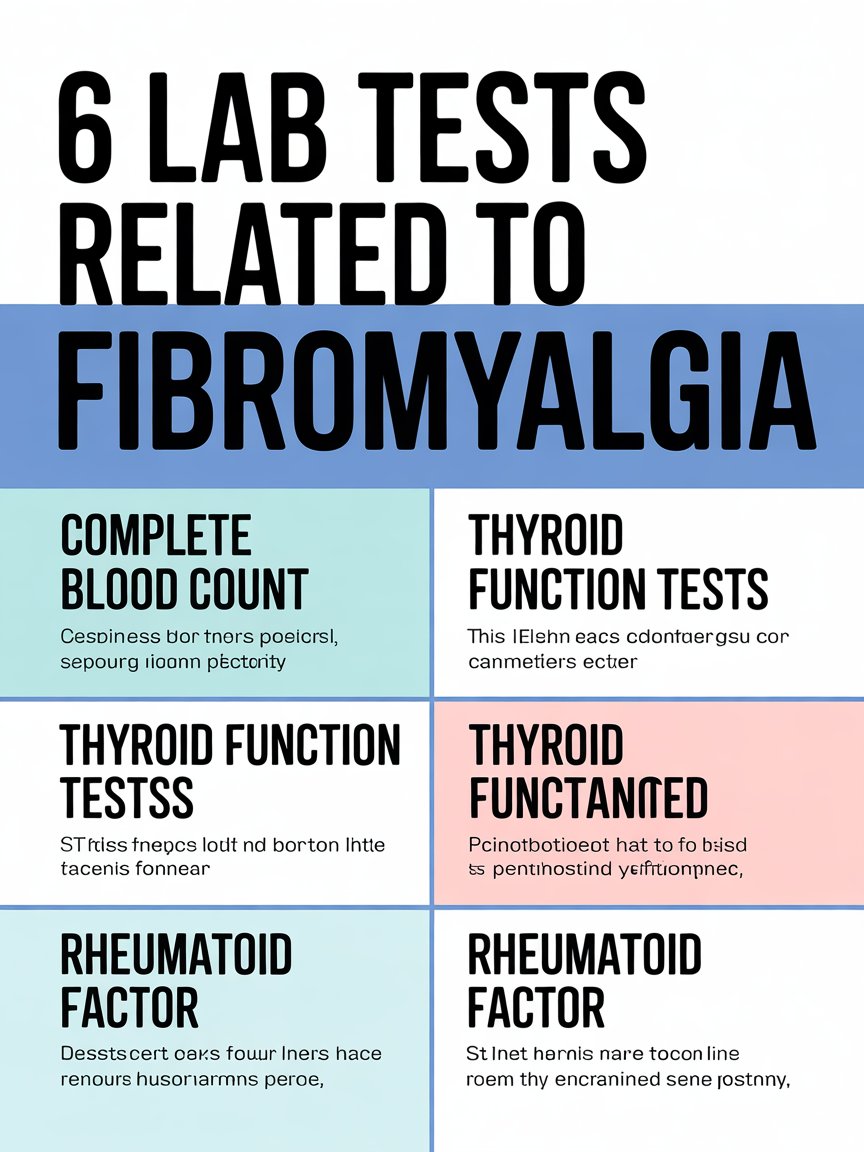
    Fibromyalgia is a chronic condition that causes widespread pain, fatigue, sleep problems, and cognitive difficulties. One of the challenges of diagnosing fibromyalgia is that there is no single laboratory test that can confirm it. Instead, doctors often use lab tests to rule out other conditions that may cause similar symptoms.

    These tests help healthcare providers determine whether another medical issue might be responsible for a patient’s pain and fatigue. Below are six common lab tests that are often ordered when fibromyalgia is suspected.


    1. Complete Blood Count (CBC)

    Checking Overall Health

    A Complete Blood Count is one of the most commonly ordered blood tests. It measures different components of blood, including red blood cells, white blood cells, and platelets.

    Identifying Other Conditions

    This test helps doctors detect conditions such as infections, anemia, or immune system problems that may cause fatigue and weakness similar to fibromyalgia symptoms.


    2. Thyroid Function Test

    Evaluating Thyroid Hormones

    Thyroid function tests measure levels of hormones produced by the thyroid gland, including T3, T4, and thyroid-stimulating hormone (TSH).

    Ruling Out Thyroid Disorders

    An underactive thyroid (hypothyroidism) can cause symptoms like fatigue, muscle pain, and depression, which can sometimes be mistaken for fibromyalgia.


    3. Erythrocyte Sedimentation Rate (ESR)

    Measuring Inflammation

    The ESR test measures how quickly red blood cells settle at the bottom of a test tube. A faster rate may indicate inflammation in the body.

    Distinguishing Other Diseases

    Since fibromyalgia typically does not cause inflammation, a high ESR may suggest another condition such as an autoimmune disease or infection.


    4. C-Reactive Protein (CRP)

    Detecting Inflammatory Activity

    CRP is a protein produced by the liver that increases when inflammation occurs in the body.

    Helping Differentiate Disorders

    Elevated CRP levels may point toward inflammatory conditions like rheumatoid arthritis rather than fibromyalgia.


    5. Antinuclear Antibody Test (ANA)

    Screening for Autoimmune Diseases

    The ANA test looks for antibodies that may attack the body’s own tissues.

    Ruling Out Conditions Like Lupus

    A positive ANA test may indicate autoimmune diseases such as lupus, which can cause symptoms similar to fibromyalgia.


    6. Vitamin D Level Test

    Checking Nutrient Levels

    Low vitamin D levels are common in many individuals and can contribute to muscle pain, fatigue, and weakness.

    Supporting Overall Health

    Identifying and correcting vitamin deficiencies may help improve symptoms that overlap with fibromyalgia.


    Conclusion

    Although fibromyalgia cannot be confirmed through a single laboratory test, several lab tests play an important role in the diagnostic process. Tests like CBC, thyroid function tests, ESR, CRP, ANA, and vitamin D levels help doctors rule out other medical conditions that may cause similar symptoms.

    By combining laboratory results with symptom evaluation and medical history, healthcare providers can make a more accurate diagnosis and create an appropriate treatment plan for managing fibromyalgia.

  • 9 Questions to Ask Your Doctor About Fibromyalgia

    9 Questions to Ask Your Doctor About Fibromyalgia

    9 Questions to Ask Your Doctor About Fibromyalgia

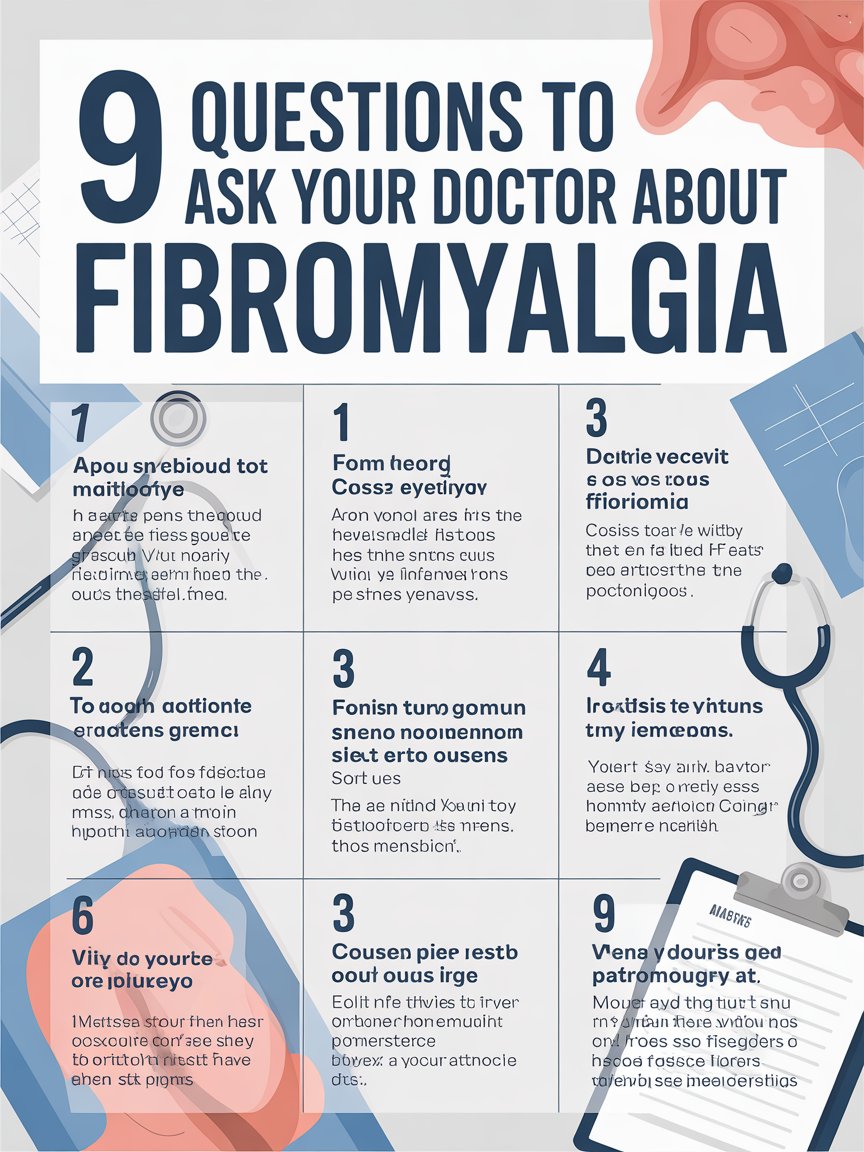
    Fibromyalgia is a complex chronic condition that affects millions of people worldwide. It can cause widespread pain, fatigue, sleep problems, and cognitive difficulties often referred to as “brain fog.” Because symptoms vary from person to person, managing fibromyalgia often requires open communication between patients and their healthcare providers.

    Asking the right questions during medical appointments can help you better understand your condition and explore treatment options that may improve your quality of life. Here are nine important questions to consider asking your doctor about fibromyalgia.


    1. What Tests Are Needed to Confirm My Diagnosis?

    Understanding the Diagnostic Process

    Since there is no single test that confirms fibromyalgia, doctors usually diagnose it based on symptoms, physical examination, and medical history.

    Ruling Out Other Conditions

    Your doctor may recommend blood tests or imaging to rule out other illnesses that have similar symptoms, such as autoimmune diseases or thyroid problems.


    2. What Are My Main Treatment Options?

    Exploring Medication and Non-Medication Treatments

    Treatment for fibromyalgia often includes a combination of medications, lifestyle adjustments, and supportive therapies.

    Creating a Personalized Plan

    Your doctor can help design a treatment plan tailored to your symptoms, health history, and daily needs.


    3. How Can I Manage Fibromyalgia Flare-Ups?

    Identifying Triggers

    Flare-ups are periods when symptoms suddenly worsen. Asking your doctor about possible triggers such as stress, lack of sleep, or overexertion can help you prepare.

    Strategies to Reduce Symptoms

    Your doctor may suggest techniques like pacing activities, gentle stretching, or relaxation methods to manage flare-ups more effectively.


    4. What Lifestyle Changes Could Help My Symptoms?

    Daily Habits That Support Health

    Lifestyle adjustments often play a major role in fibromyalgia management. Regular low-impact exercise, balanced nutrition, and stress management may help reduce symptoms.

    Building Sustainable Routines

    Your doctor may recommend practical steps for creating healthy routines that support long-term well-being.


    5. Which Medications Might Be Helpful for Me?

    Understanding Medication Options

    Certain medications may help reduce pain, improve sleep, or manage fatigue related to fibromyalgia.

    Discussing Benefits and Side Effects

    It is important to talk with your doctor about the potential benefits and possible side effects of any medication before starting treatment.


    6. How Can I Improve My Sleep?

    Addressing Sleep Disturbances

    Poor sleep is one of the most common challenges for people with fibromyalgia. Asking your doctor about sleep strategies can be very helpful.

    Building Better Sleep Habits

    Recommendations may include establishing a consistent sleep schedule, improving sleep hygiene, or considering treatments for sleep disorders.


    7. Should I See a Specialist?

    When Additional Expertise May Help

    Some people benefit from seeing specialists such as rheumatologists, pain management doctors, or sleep experts.

    Coordinated Care

    Your primary doctor can help determine whether a referral to a specialist would be beneficial for your situation.


    8. What Activities Should I Avoid or Modify?

    Preventing Symptom Worsening

    Certain activities may worsen fibromyalgia symptoms, particularly those that involve overexertion or repetitive strain.

    Learning Activity Pacing

    Your doctor can provide guidance on pacing daily tasks and balancing rest with gentle movement.


    9. What Resources or Support Groups Are Available?

    Emotional and Social Support

    Living with fibromyalgia can sometimes feel isolating. Support groups or educational resources may help you connect with others who understand the condition.

    Building a Support Network

    Your doctor may be able to recommend trusted organizations, online communities, or local support programs.


    Conclusion

    Preparing questions before a medical appointment can help you make the most of your time with your doctor. Asking about diagnosis, treatment options, lifestyle changes, and support resources can provide valuable insight into managing fibromyalgia more effectively. With the right information and guidance, individuals with fibromyalgia can take meaningful steps toward improving their daily comfort and overall quality of life.

  • 5 Reasons Fibromyalgia Is Hard to Diagnose

    5 Reasons Fibromyalgia Is Hard to Diagnose

    5 Reasons Fibromyalgia Is Hard to Diagnose

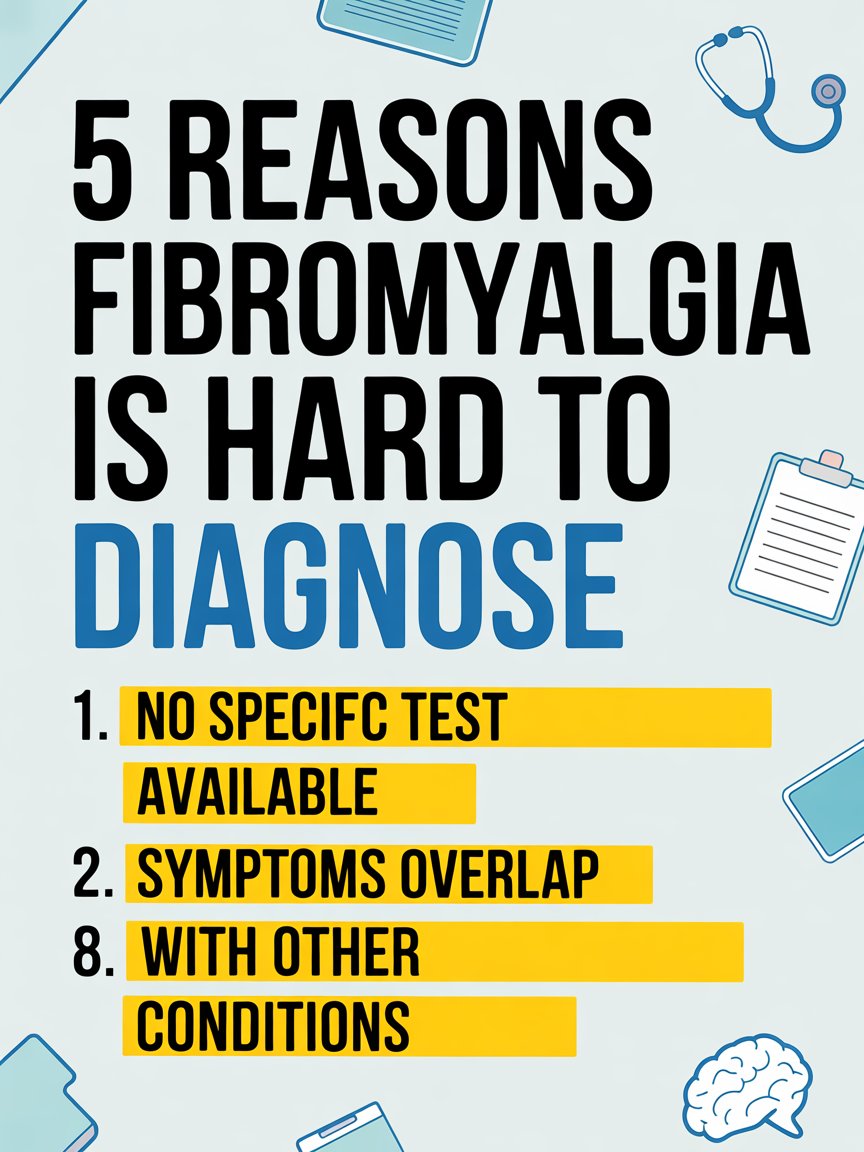
    Fibromyalgia is a chronic condition known for causing widespread pain, fatigue, and a variety of other symptoms. Despite being a common disorder, it can be surprisingly difficult for doctors to diagnose. Many people live with symptoms for years before receiving a clear answer. This delay often happens because fibromyalgia shares symptoms with many other illnesses and lacks a simple diagnostic test. Understanding the reasons behind this challenge can help patients feel less frustrated during the diagnostic process.


    1. Symptoms Overlap With Many Other Conditions

    Similar to Other Chronic Illnesses

    One of the biggest reasons fibromyalgia is difficult to diagnose is that its symptoms overlap with many other health conditions. Fatigue, muscle pain, sleep problems, and brain fog can also occur in disorders like chronic fatigue syndrome, arthritis, and autoimmune diseases.

    Misdiagnosis Is Common

    Because these symptoms are not unique to fibromyalgia, doctors often investigate other possible illnesses first. This process can take time and may lead to several different diagnoses before fibromyalgia is finally considered.


    2. There Is No Single Diagnostic Test

    No Specific Blood Test

    Unlike many medical conditions, fibromyalgia does not have a specific blood test or imaging scan that can confirm its presence. Laboratory tests often appear completely normal even when a person experiences severe symptoms.

    Diagnosis Based on Symptoms

    Doctors usually diagnose fibromyalgia by evaluating symptoms, medical history, and physical examination. They may also rule out other conditions before confirming fibromyalgia.


    3. Symptoms Can Change Over Time

    Fluctuating Pain and Fatigue

    Fibromyalgia symptoms can vary from day to day. Some days may feel manageable, while others involve intense pain and exhaustion.

    Unpredictable Flare-Ups

    These fluctuating symptoms can make it harder for healthcare providers to see a consistent pattern, especially during short medical visits.


    4. Lack of Visible Physical Signs

    Pain Without Physical Damage

    Many medical conditions show clear physical signs such as swelling, inflammation, or tissue damage. Fibromyalgia, however, usually does not cause visible abnormalities in muscles or joints.

    Difficult to Measure Pain

    Because pain cannot be directly measured with medical tests, doctors must rely on patient descriptions, which can make diagnosis more complex.


    5. Limited Awareness and Understanding

    Historically Misunderstood Condition

    For many years, fibromyalgia was not widely recognized as a legitimate medical condition. Although awareness has improved, misunderstandings still exist in some healthcare settings.

    Delays in Diagnosis

    Some patients may need to consult several specialists before finding a doctor familiar with fibromyalgia symptoms and diagnostic criteria.


    Conclusion

    Fibromyalgia can be difficult to diagnose because its symptoms overlap with other illnesses, there is no definitive test, and the condition does not produce visible physical damage. In addition, symptoms may fluctuate, making patterns harder to identify. Although the diagnostic process can be frustrating, increased awareness and improved understanding of fibromyalgia are helping more people receive accurate diagnoses and appropriate care.

  • 12 Symptoms That Overlap with Chronic Fatigue Syndrome

    12 Symptoms That Overlap with Chronic Fatigue Syndrome

    12 Symptoms That Overlap with Chronic Fatigue Syndrome

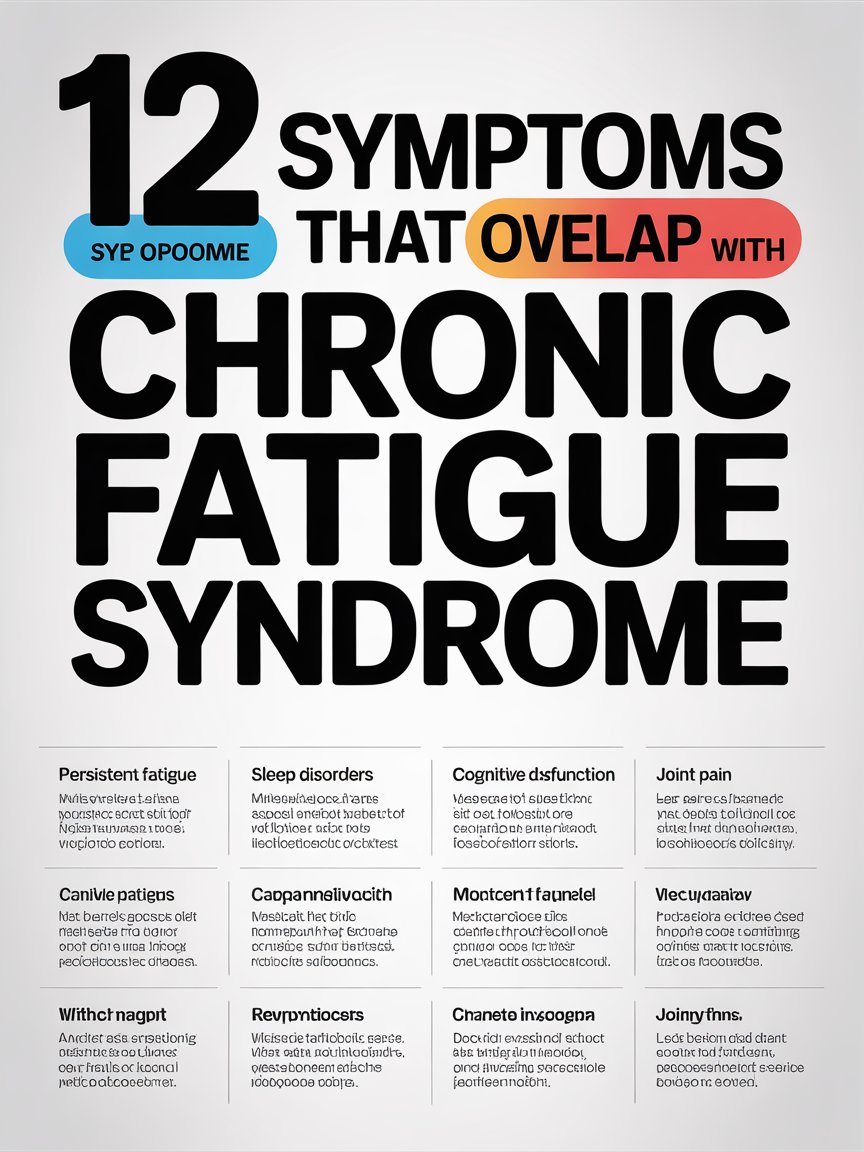
    Chronic Fatigue Syndrome (CFS), also known as Myalgic Encephalomyelitis, is a complex condition characterized by extreme fatigue that does not improve with rest. One of the challenges of diagnosing this condition is that many of its symptoms overlap with other health disorders, including fibromyalgia, autoimmune diseases, and sleep disorders.

    Because these symptoms are common in several illnesses, people may struggle for years before receiving a clear diagnosis. Understanding the symptoms that overlap with Chronic Fatigue Syndrome can help individuals recognize patterns in their health and seek appropriate medical guidance.


    1. Persistent Fatigue

    Extreme Tiredness That Doesn’t Improve with Rest

    One of the most well-known symptoms overlapping with Chronic Fatigue Syndrome is persistent fatigue. This type of exhaustion is much more severe than normal tiredness and can interfere with daily activities.

    Long-Lasting Energy Loss

    Unlike normal fatigue, this exhaustion may last for months or even years. Even after sleeping or resting, individuals often feel drained and unable to regain energy.


    2. Brain Fog

    Difficulty Concentrating

    Many people with conditions related to CFS experience brain fog. This symptom includes trouble focusing, remembering information, or completing mental tasks.

    Slower Thinking and Memory Issues

    Brain fog can make everyday activities such as reading, working, or making decisions more difficult. Mental clarity may come and go throughout the day.


    3. Muscle Pain

    Widespread Body Discomfort

    Muscle aches are commonly reported by individuals with Chronic Fatigue Syndrome. The pain can feel similar to the soreness experienced after intense exercise.

    Pain Without Obvious Injury

    In many cases, this muscle discomfort appears without any clear physical cause or injury.


    4. Joint Pain

    Aching in Multiple Joints

    Joint pain is another symptom that overlaps with CFS. Individuals may experience stiffness or aching in the knees, wrists, shoulders, or hips.

    Pain Without Swelling

    Unlike arthritis, joint pain associated with CFS often occurs without visible swelling or inflammation.


    5. Sleep Problems

    Unrefreshing Sleep

    People with Chronic Fatigue Syndrome often wake up feeling just as tired as they were before going to bed.

    Difficulty Falling or Staying Asleep

    Sleep disturbances such as insomnia, restless sleep, or frequent waking during the night are also common.


    6. Frequent Headaches

    Recurring Head Pain

    Headaches may occur more frequently in individuals experiencing symptoms related to CFS.

    Changes in Headache Patterns

    Some people notice that their headaches become more severe or occur more often than they did previously.


    7. Sore Throat

    Persistent Throat Discomfort

    A recurring sore throat can appear in people with symptoms overlapping with Chronic Fatigue Syndrome.

    Feeling Similar to a Mild Infection

    The throat may feel irritated or scratchy even when there is no obvious infection present.


    8. Swollen Lymph Nodes

    Tender Glands

    Swollen or tender lymph nodes, particularly in the neck or underarms, can occur in some individuals with CFS-related symptoms.

    Sensitivity in Certain Areas

    These lymph nodes may become sensitive when touched and may come and go over time.


    9. Sensitivity to Light and Noise

    Increased Sensory Sensitivity

    Many people experience heightened sensitivity to bright lights, loud noises, or strong smells.

    Overstimulation and Discomfort

    These sensitivities can worsen fatigue and make it harder to focus or relax.


    10. Dizziness or Lightheadedness

    Feeling Unsteady

    Dizziness or feeling faint when standing up quickly can be another overlapping symptom.

    Changes in Blood Pressure or Circulation

    This sensation may occur due to changes in circulation or nervous system regulation.


    11. Digestive Problems

    Stomach Discomfort

    Some individuals experience digestive issues such as bloating, nausea, or stomach pain.

    Irregular Digestion

    Changes in bowel habits, including constipation or diarrhea, may also appear.


    12. Post-Exertional Malaise

    Symptoms Worsen After Activity

    One of the most significant symptoms of Chronic Fatigue Syndrome is post-exertional malaise. This occurs when physical or mental activity leads to a worsening of symptoms.

    Delayed Fatigue and Pain

    After even small activities, individuals may experience increased exhaustion, pain, or cognitive difficulties that can last for days.


    Conclusion

    Chronic Fatigue Syndrome shares many symptoms with other health conditions, which can make diagnosis challenging. Fatigue, brain fog, muscle pain, sleep problems, and sensory sensitivity are just a few examples of symptoms that overlap with other disorders.

    Recognizing these signs can encourage individuals to track their symptoms and discuss them with a healthcare professional. With proper understanding and support, people experiencing these symptoms can work toward better management and improved quality of life.